
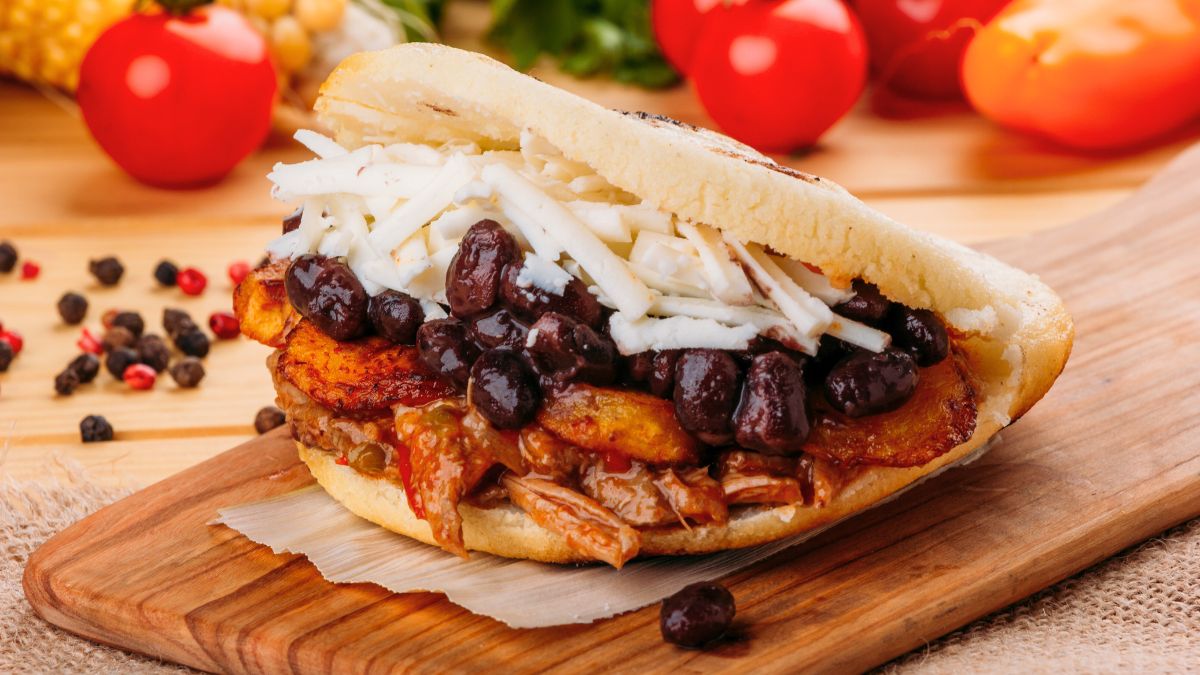
In times when distances seem to vanish and borders blur, there are flavors that draw us back to the table with the sweet nostalgia of home. Venezuelan arepas , with their soft, round dough, are not mere witnesses to time, but bearers of a legacy that resonates in every bite.
Content
The origin of the arepa takes us on a journey that begins with indigenous ancestors and extends to modern urban kitchens, weaving the history of the Venezuelan arepa on the canvas of our collective memory.
For those seeking to discover the curiosities of the arepa and delve into the pages of a living culinary tradition, this guide to the traditional Venezuelan arepa is a tribute to that history told with corn, salt and love.
-
Product on offer
 Frozen Venezuelan Tequeños, Latin Cheese Fingers (28 units)The original price was: $62.00.$44.50The current price is: $44.50.
Highlights
- Exploration of the rich past and vibrant present of the Venezuelan arepas.
- Deepening the well-known debate on the true origin of the arepa.
- Recognition of the arepa as a symbol of Venezuelan identity.
- Diversity of recipes and regional variants that enrich the country's gastronomy.
- Vision of the arepa beyond the kitchen: its cultural and social impact.
- Step by step guide to create the perfect arepa at home.
- Appreciation of the arepa in the global context thanks to the Venezuelan diaspora.
Discovering the Venezuelan Arepa: Past and Present
The journey to discover the Venezuelan arepa takes us back to its origins and evolution through the centuries. The arepa, considered today as part of the traditional arepa tradition , has a history that stretches back to the pre-Columbian era, a time when it was already a staple food for the indigenous peoples of South America.
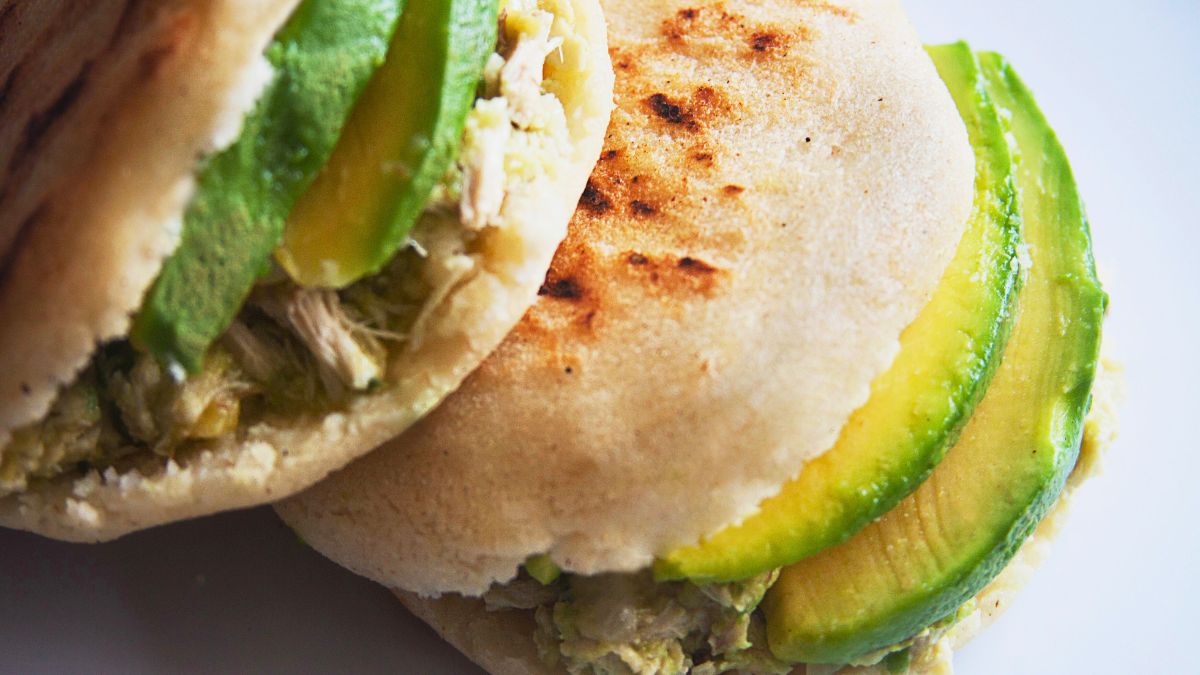
These are the threads of history that weave the importance of this dish, a culinary symbol that has managed to adapt and remain current among Venezuelans, demonstrating the rich cultural miscellany that gave it life. Below, we present a table that contrasts the arepa's yesterday and today, showing how its essence remains intact despite the passing of the years and the transformation of society.
| Element | Pre-Columbian Past | Contemporary Present |
|---|---|---|
| Basic Ingredients | Ground native corn | precooked corn flour |
| Cooking Method | Cooked in clay aripas | Cooked in modern pots or frying pans |
| Music | Kneaded and formed by hand | Kneading by hand or with the help of technology |
| Variety of Recipes | Limited variations by region | Diversity of fillings and variants throughout the country |
| Cultural Significance | Basic food of the indigenous diet | Symbol of Venezuelan identity and tradition |
The arepa has proven to be a true survivor and ambassador of Venezuelan culture, linking its rich past with a present that continues to fill us with pride and flavor. It's a culinary experience that reminds us of where we've been and hints at all that we can still discover about the Venezuelan arepa.
All about the Venezuelan Arepa: A Symbol of Identity
The Venezuelan arepa, a symbol of Venezuelan identity, has remained a bastion of the country's culture and culinary tradition. Its traditional preparation involves attention to detail and respect for inherited customs. Traditional Venezuelan arepas are more than just food; they represent the unification of history and regional flavor in a single bite.
Ingredients and Traditional Preparation
The ingredients for Venezuelan arepas are simple: cornmeal, water, and a touch of salt, but the soul of the arepa lies in the technique used to combine them. Hand-kneaded and cooked in the scorching heat of the budare , these flavorful discs are the foundation of the Venezuelan diet. A preparation that, over the centuries, has transcended generations and continues to hold the secrets of the Venezuelan arepa.
Regional Varieties and their Secrets
The diverse regional varieties of arepas showcase the richness of a nation through their flavors. From La Reina Pepiada , with its crown of chicken and avocado, to La Catira , overflowing with yellow cheese and joy, each arepa tells a story, each bite reveals a secret. These distinctive shapes, common on any Venezuelan menu, are the edible representation of the spirit of its people, always innovating in their preparation without losing the essence of what it means to be Venezuelan.
The Origin Debate: Between Venezuela and Colombia
The debate surrounding the origin of the Venezuelan arepa is an intense conversation that reflects the pride and passion of two sister cultures. This friendly exchange, often filled with patriotic fervor, not only demonstrates the importance of the arepa in their respective societies but also strengthens the bonds between Venezuela and Colombia . The history of the Venezuelan arepa and its distinctive stuffed version contrasts with the simplicity of Colombian arepas, creating an interesting point of comparison in each nation's gastronomy.
Although the arepa as a concept is shared in both countries, the way of consuming and preparing it becomes a cultural distinctive of each one. For example, in Venezuela, a family gathering or festive event will rarely be complete without a variety of stuffed arepas, while in Colombia, arepas tend to be enjoyed with a side at the side, rather than with intricate fillings.
| Element | Venezuelan Arepa | Colombian Arepa |
|---|---|---|
| Texture | Crispy on the outside, soft on the inside | Generally firmer and denser |
| Filling | Varied and generous | Simpler or served on the side |
| Cultural Connotation | Strong symbol of national identity | Expression of regional tradition |
In the culinary debate over whether the Venezuelan or Colombian arepa is the original, both countries argue with historical and cultural evidence, demonstrating that beyond being a simple food, the arepa is a legacy. Perhaps the true beauty of this dispute lies in its ability to unite people, fostering lively discussions and, ultimately, an appreciation for the variations that enrich the gastronomy of both nations.
- The Venezuelan arepa claims its position by differentiating itself with its fillings.
- The Colombian arepa stands out for its authenticity and side accessories.
- Both forms of arepa reinforce the cultural identity and brotherhood of the countries.
-
Product on offerFrozen Venezuelan Tequeños, Latin Cheese Fingers (28 units)The original price was: $62.00.$44.50The current price is: $44.50.
The Simplicity of the Arepa and its Gastronomic Versatility
The simplicity of the Venezuelan arepa is the essence of its charm; a base of cornmeal, water, and salt that transforms into a culinary canvas ready to be personalized. An arepa can be as simple or as complex as those who enjoy it desire, making it an emblematic dish of the arepa's gastronomic versatility.
Its adaptability has made it a staple on Venezuelan tables and beyond, with the Venezuelan stuffed arepa encompassing everything from traditional to the most innovative aspects of modern cuisine. Below, we explore some of the most popular transformations that embody the versatility of this dish:
- Arepa with Butter and Cheese: A classic for breakfast, simple but delicious.
- Queen Pepiada Arepa: The combination of avocado, chicken and mayonnaise creates a unique flavor.
- Carnitas Arepa: Juicy pieces of meat that satisfy the most demanding diner.
- Arepa with Perico: A colorful filling where egg, tomato and onion are the protagonists.
The arepa knows no boundaries in terms of flavors, and each filling serves to tell a particular story of the region or the chef who prepares it, turning each bite into a unique gastronomic experience.
Ingredients for Venezuelan Arepas: The Base of an Exquisite Dish
Corn flour for arepas is more than just an ingredient; it's the soul that gives life to one of Venezuela's most iconic dishes. Choosing the right flour is crucial, as it determines the authentic flavor and unmistakable texture we all love in a good Venezuelan arepa.
Corn Flour: Fundamental Pillar of the Arepa
Since ancient times, corn flour has been carefully selected to prepare this exquisite dish, the arepa . Today, innovative arepa recipes continue to value the quality of the flour, as it determines the texture and the dough's ability to incorporate other ingredients in the Venezuelan arepa.
Modern Additions and Variants
The addition of the Venezuelan arepa and modern variations have broadened the culinary possibilities of this traditional dish. The introduction of new flavors and textures has led to the creation of innovative arepa recipes that surprise and delight even the most discerning palates.
| Traditional Ingredient | Modern Additions |
|---|---|
| Cornmeal | Chia or flax seeds |
| Water | Vegetable milks |
| Sal Island | Pink salt or sea salt |
| Oil (optional) | Olive or avocado oil |
| Seasonings such as oregano or cumin | |
| Artisanal or vegan cheeses |
With these new trends in the arepa universe, we can assure that this dish will continue to be a reflection of Venezuelan culture, capable of adapting and incorporating influences from a globalized world without losing its essence.
The Kneading Process: Art and Technique
Mastering the arepa-kneading process is a skill that has been perfected over generations, representing not only a culinary method but also the art of making arepas . Dedication to this step is fundamental to achieving an arepa with the desired sensory quality. So, what is the kneading technique that yields the best version of this traditional dish?
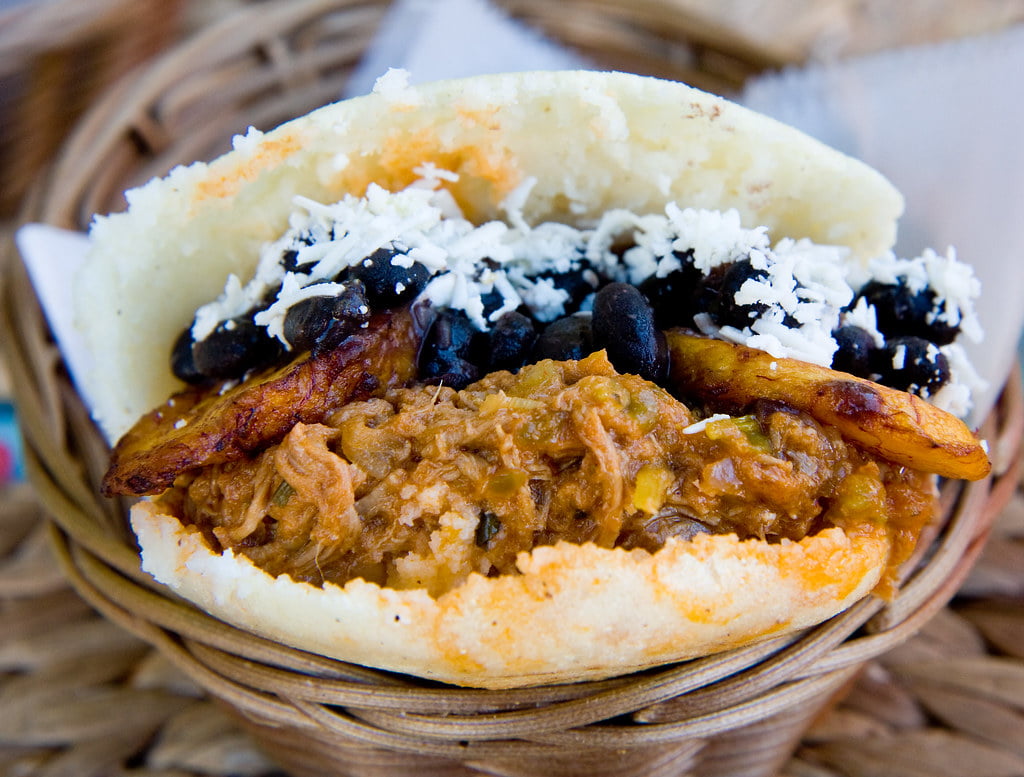
First of all, the dough mixture must be homogeneous and soft, the water and corn flour need to amalgamate so that the texture is manageable, but firm. It is a process that has its tricks and secrets, passed down from grandmothers to grandchildren, from chefs to apprentices. Let's look at some important details:
- The temperature of the water: It should be warm to help the cornmeal swell properly.
- The amount of salt and its integration: essential for a complete flavor and a consistent dough.
- Resting the dough: after the initial kneading, it is crucial for the ingredients to settle and the dough to acquire the ideal consistency.
The arepa has different facets depending on its cooking method, so the kneading must be adjusted depending on the desired result: arepas to roast in budare, to bake or to fry. These are the key points:
| Types of Arepa | Kneading for Budare | Oven Kneading | Kneading for Frying |
|---|---|---|---|
| classical | Flexible and moldable | Drier and more compact | Light humidity and rounded shape |
| Fill | Consistency that allows the filling to be contained | Uniform kneading to avoid cracks | Oil resistant structure |
| Sweet | Adding sugar and gently kneading | Airy texture to enhance sweetness | Consistency that supports the glaze |
Ultimately, what truly defines an expert in the arepa-making process is the ability to "feel" the dough, to know the exact point at which it's ready to be cooked. It's there that the art of making arepas merges with technical skill, resulting in a sensory experience that delights both the one who prepares and the one who tastes this marvel of Venezuelan cuisine.
How to Make Venezuelan Arepas? Step by Step Guide
Discover the easy traditional Venezuelan arepa recipe and the secrets to achieving perfect results every time. Whether you're a novice in the kitchen or an expert arepa maker, this step-by-step guide is designed to help you master the art of preparing authentic Venezuelan arepas.
Utensils Necessary for Preparation
Before you begin, make sure you have the right arepa utensils on hand. These not only facilitate the process, but also influence the quality of your arepas. Here is the essential list:
- Budare or iron skillet: to grill arepas to perfection.
- Large bowl: to mix the ingredients and knead the dough.
- Mixer (optional): if you prefer comfort and uniformity in your arepas.
- Arepa press (optional): ideal for forming a uniform and flat shape.
- Wooden spoon or spatula: to mix the ingredients well.
Conservation and Tricks for a Perfect Arepa
Proper storage of arepas is essential to maintaining their ideal flavor and texture. Follow these tips for an authentic Venezuelan culinary experience:
- Wrap the dough in plastic and refrigerate it if you are not going to use it immediately.
- Cooked arepas can be frozen and toasted or grilled when serving.
- A little oil in the dough can prevent it from sticking to the budare.
- Heating the budare well before placing the arepas prevents them from being raw inside.
Here are some tips for perfect arepas that will make all the difference:
| Trick | Result |
|---|---|
| Knead until the dough is smooth and without cracks. | More uniform arepas with better texture |
| Rest the dough before forming the arepas | Improves workability and texture when cooking |
| Use warm water to mix the ingredients | Facilitates the integration of the dough and provides softness |
| Give them a gentle hit halfway through | Ensures uniform cooking and a crispy crust |
-
Product on offerFrozen Venezuelan Tequeños, Latin Cheese Fingers (28 units)The original price was: $62.00.$44.50The current price is: $44.50.
Fillings for Arepas: A World of Possibilities
Exploring the fillings for arepas is to immerse yourself in a universe of flavors that defines Venezuela's rich culinary tradition. Each Venezuelan arepa filled with fillings is a culinary adventure that reflects the diversity and creativity of its people. From the most traditional to modern innovations, the different types of arepas bear witness to a cuisine that knows no bounds.
The possibility of combining ingredients allows us to develop recipes that please all palates, from the most conservative to the most adventurous. Below, we present a selection of the most iconic and desired fillings, highlighting how each one contributes its unique touch to this emblematic dish:
| Filling Name | Key Ingredients | Features | Regional Origin |
|---|---|---|---|
| Queen Pepiada | Shredded chicken, avocado, mayonnaise | Creaminess and richness of flavors | Caracas |
| Domino | Beef, black beans | Contrast of flavors and textures | Los Andes |
| Pelua | Shredded meat and yellow cheese | Juicy and flavorful mixture | Zuliana |
| Parakeet | Scrambled eggs, tomato, onion | Traditional, fresh and light breakfast | Caribbean coast |
| Widow | Simplicity and enjoyment of corn | All of Venezuela |
Each filling has its own story and a special place in the hearts of Venezuelans. The Reina Pepiada , for example, not only seduces with its delicious flavor but also boasts a cultural legacy, named in honor of a Venezuelan Miss World. Meanwhile, options like the Pelúa , with its combination of shredded beef and yellow cheese, or the classic Perico , offer a morning experience that awakens the senses.
Whether enjoying a freshly made arepa at a local arepera or experimenting with fillings at home, the Venezuelan stuffed arepa is a dish that offers endless possibilities and continues to be a pillar of Venezuela's culinary identity.
The Arepa in Venezuelan Culture: Beyond Gastronomy
The arepa is not simply a typical Venezuelan dish; its essence is intertwined with the tradition of the arepa in Venezuela , making it a symbol of the country's traditional arepa and culture . This food has permeated the deepest layers of society, becoming a true cultural representation that Venezuelans proudly carry to every corner of the world.

Cultural Representation of the Arepa
In every home and at every celebration, the arepa holds a place of honor in Venezuelan culture . From breakfast to dinner, this simple yet versatile culinary creation is ever-present, reaffirming Venezuelans' identity and deep connection to their traditions. The arepa links current generations with past ones, keeping ancestral knowledge and memories alive.
The Arepa in Venezuelan Literature and Art
The influence of the arepa extends far beyond the Venezuelan literary and artistic world. In Venezuelan literature, the arepa has been mentioned by writers who see it as a symbol of everyday life and tradition. Similarly, the arepa has been depicted in art, reflecting the close relationship between gastronomy and national identity. These creative expressions solidify the arepa's role as a bearer of meanings that go beyond its nutritional value.
| Cultural Expression | Highlights | Representation in Art |
|---|---|---|
| Family tradition and celebrations | Central element in meetings and festivities | Recurrent theme in painting and sculpture |
| Everyday life | Daily presence at the table of Venezuelans | Represented in stories and poetry |
| National identity | Symbol of roots and national pride | Inspiration for musical works and performances |
The arepa has undoubtedly become an emblematic culinary treasure. Its presence in every corner of Venezuelan life is a living testimony of how a dish can enclose an entire culture within itself.
Iconic Versions of Venezuelan Arepas and Their Stories
The flavor of Venezuela is manifested in each version of its traditional arepa, carrying within it not only exquisite ingredients, but also stories and traditions that define the culture of a country. In this section, we explore the chronicles behind some of the most emblematic arepas loved by all Venezuelans.
La Reina Pepiada: Chronicle of a Legendary Filling
The Reina Pepiada is more than just a Venezuelan stuffed arepa ; it's a legend that pays homage to Susana Duijm, Venezuela's Miss World of 1955. Its combination of shredded chicken, creamy avocado, and mayonnaise perfectly captures the spirit of creativity and flavor in the arepa's history . The story of how this filling became a culinary icon is proudly shared throughout the country, showing how the beauty of an arepa can reflect the beauty of its people.
The Widow and The Catira: Variants with Character
On the other hand, La Viuda , simple and purely enjoyable, showcases the authentic flavor of corn masa in all its glory. It embodies simplicity and tradition, making it the perfect base for those who prefer simpler flavors or those who want to personalize their arepa. It's proof that sometimes, less is more.
La Catira , with its playful name that alludes to blonde hair due to the yellow cheese it contains, is one of the arepa variations that has won the hearts of many. Its melt-in-your-mouth texture and distinctive flavor make it a choice that encapsulates Venezuelan joy and warmth.
- Queen Pepiada: The taste of victory.
- The Viuda: The essence of the Venezuelan arepa.
- La Catira: Color and flavor that captivate.
Each of these arepas has its own story, its own place in the heart of Venezuelan cuisine. Discovering the traditional Venezuelan arepa is to delve into a world of flavors and emotions that showcase the rich cultural heritage of Venezuela.
Areperas in Venezuela: Meeting Spaces and Tradition
Arepa restaurants in Venezuela are more than just food outlets; they are true meeting places where locals and visitors share more than just a meal: they share moments, exchange smiles, and strengthen the Venezuelan arepa tradition . In the heart of cities and in the humblest corners, these establishments reflect the social and cultural life of Venezuela.
Considered the meeting point par excellence after a day of work or during festive early mornings, areperas have positioned themselves as icons of local gastronomy. They are places where generations have grown up savoring the varied recipes that each arepera offers, thus creating indelible memories associated with this national dish.
In each arepa a story is told, in each bite the legacy of a country is tasted.
- They reveal the story behind each filling.
- They are witnesses of unforgettable meetings, celebrations and conversations.
- They stand out for their role in keeping Venezuelan popular culture alive.
The role of areperas goes beyond the preservation of a recipe; They facilitate a warm environment where camaraderie predominates and the importance of roots and customs is highlighted. In these open kitchens, the visitor is part of the show: see how the arepas are kneaded and cooked, how the fresh ingredients for the fillings are selected and how they are cooked in the heat of the budare with mastery and passion.
| Aspects of the Arepera | Cultural influence | Social Elements |
|---|---|---|
| Diverse Menu | Preservation of culinary tradition | Socialization and community point |
| Open Kitchen | Visual demonstration of arepera preparation | Direct interaction with the arepero |
| Strategic location | Accessibility for residents and tourists | Ability to bring together people from different social strata |
The importance of arepa restaurants in Venezuela as meeting places is evident in every occupied chair, every spontaneous conversation, and every flavor recommendation passed from mouth to mouth. The Venezuelan arepa tradition flourishes in these vibrant, flavorful, and joyful corners; places that become a second home for many and a delightful discovery for those visiting for the first time.
The Venezuelan Arepa around the World: Ambassador of Flavor
With the Venezuelan arepa's global reach , we've witnessed how this iconic dish has transcended its place of origin, carrying with it a piece of Venezuela's rich culture. The arepa's international presence is a clear example of how a traditional recipe can become a global trend, uniting people through flavor and history.
From the most remote corners of Latin America to cosmopolitan cities on other continents, the arepa has established itself as a culinary delight, becoming an icon of its adaptation to new cultures . Venezuelan emigrants have carried their tradition with them wherever they go, and as a result, the arepa is now featured on menus in restaurants in New York, Madrid, Paris, and beyond.
International Presence and Adaptation to New Cultures
It's inspiring to see how this dish has been incorporated into the culinary offerings of cities around the world. In each new location, the arepa maintains its Venezuelan essence while embracing local influences, resulting in a global celebration of the arepa . It's the essence of Venezuelan tradition, sharing its warmth with the world.
World Arepa Day: Global Celebration
One of the most significant events for Venezuelans and lovers of the country's cuisine is World Arepa Day . Originating as a Venezuelan initiative and celebrated every September 9th, this day reflects the universality of the arepa and its role as an international Venezuelan tradition . Everyone comes together to enjoy different versions of the arepa, creating new memories around a dish that symbolizes unity and flavor.
| Country | Impact of the Venezuelan Arepa |
|---|---|
| United States | Presence on menus in cosmopolitan cities such as New York and Miami |
| France | Incorporation into the Parisian gastronomic scene with local touches |
| China | Adaptation to Asian flavors, cultural fusion in its culinary offer |
-
Product on offerFrozen Venezuelan Tequeños, Latin Cheese Fingers (28 units)The original price was: $62.00.$44.50The current price is: $44.50.
Conclusion
By immersing ourselves in Venezuela's culinary culture, we've discovered that the Venezuelan arepa is a symbol of identity that goes far beyond being a typical dish. We've explored the Venezuelan arepa recipe , delving into its ingredients and revealing how each variation reflects the richness and diversity of a nation. The simplicity of its preparation, which we share in "The Steps to an Easy Venezuelan Arepa ," allows this food to transcend borders and become a symbol of unity and pride for Venezuelans around the world.
The arepa is more than just sustenance; it stands as an emblem of the tradition and enduring spirit of a culture rich in flavors and stories. It is the heart of a Venezuelan arepa restaurant , where family and friends gather, celebrating life and the bonds that unite them. This traditional dish has demonstrated its ability to adapt and reinvent itself, maintaining its essence while evolving with touches of modern gastronomy.
Therefore, each bite of arepa is a recounting of ancestral times and a look towards the culinary future. The arepa is more than food: it is an experience, it is tradition, it is Venezuela. And in our journey through its history, we have verified that each arepa, regardless of its filling or preparation, bears the warmth of a country that continues to spread its legacy in every corner of the planet where a piece of its tropical sky is savored.