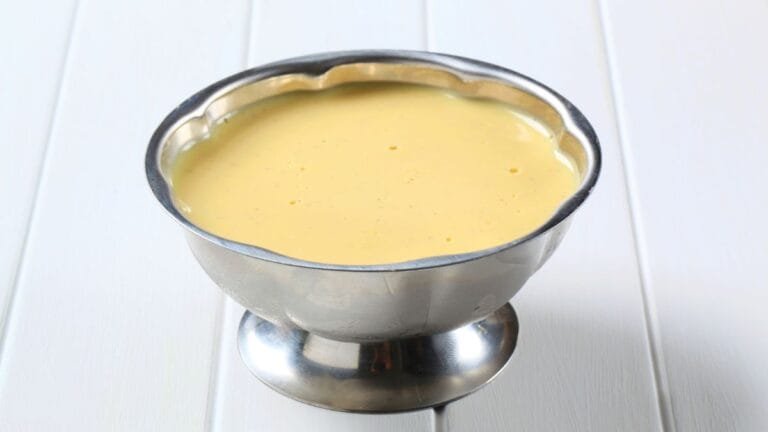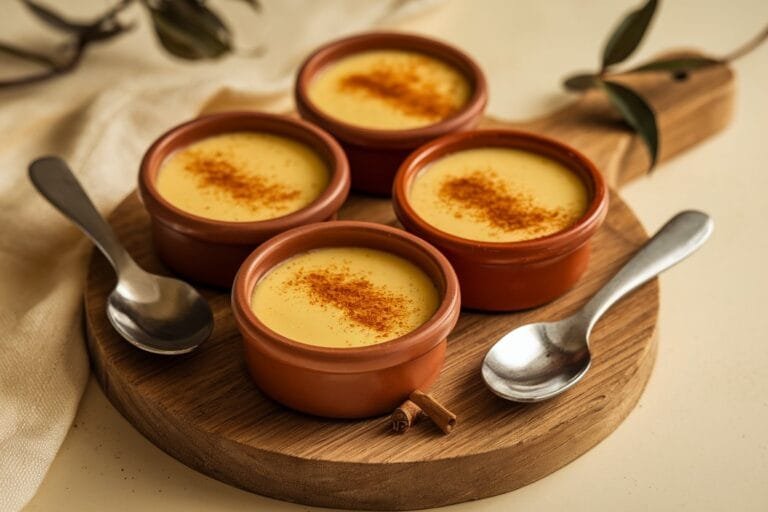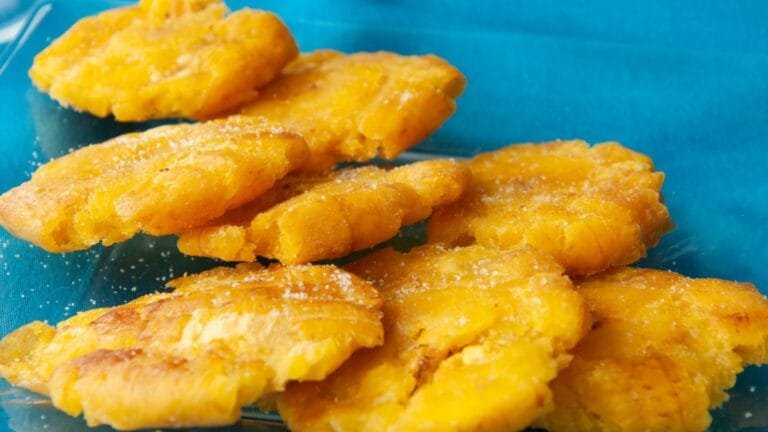

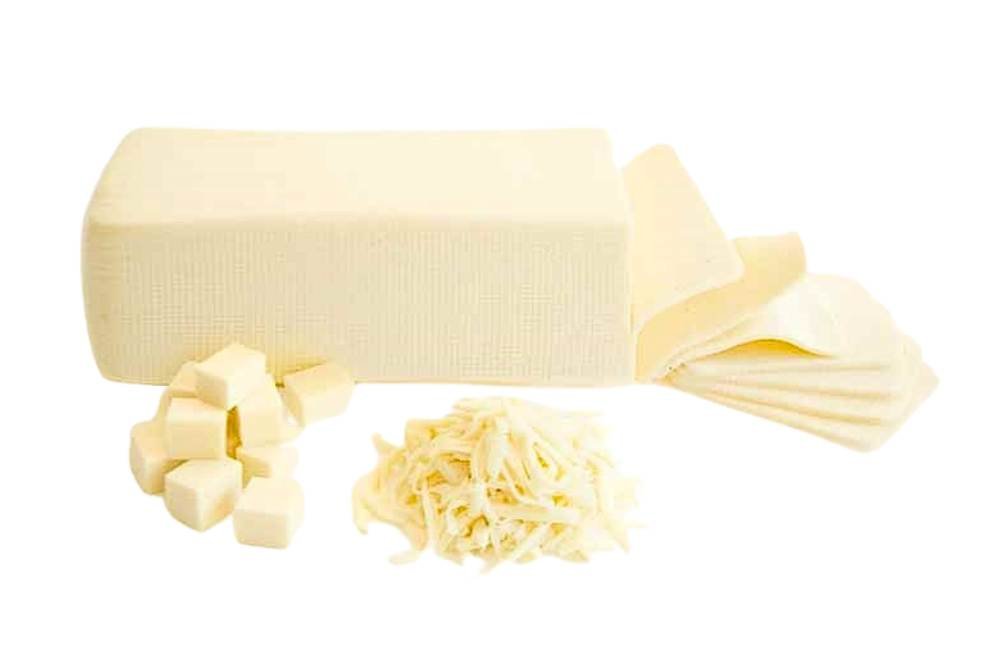
Discovering Paisa Cheese, Tequeñero Cheese
What is Paisa Cheese?
Queso Paisa is a distinguished variety within the landscape of Venezuelan dairy products, recognized for its ability to withstand high temperatures without losing its consistency. It is also widely known as tequeñero cheese.
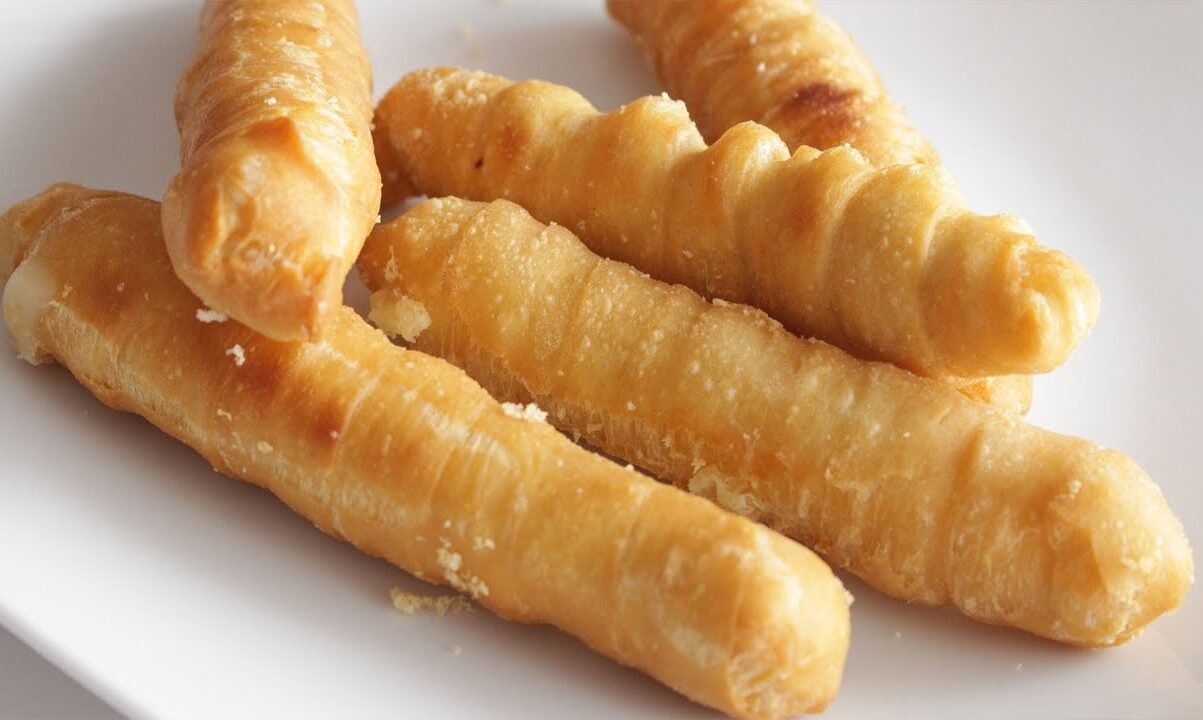
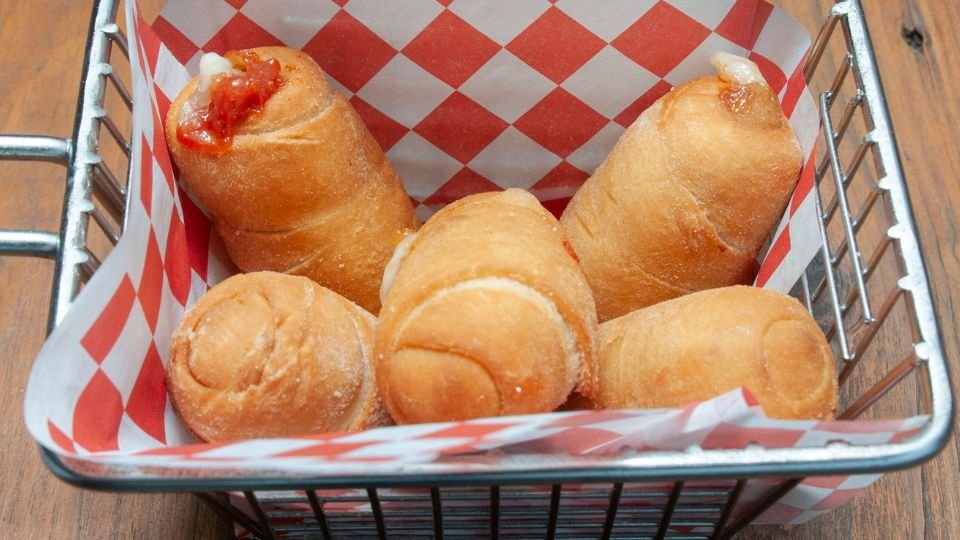
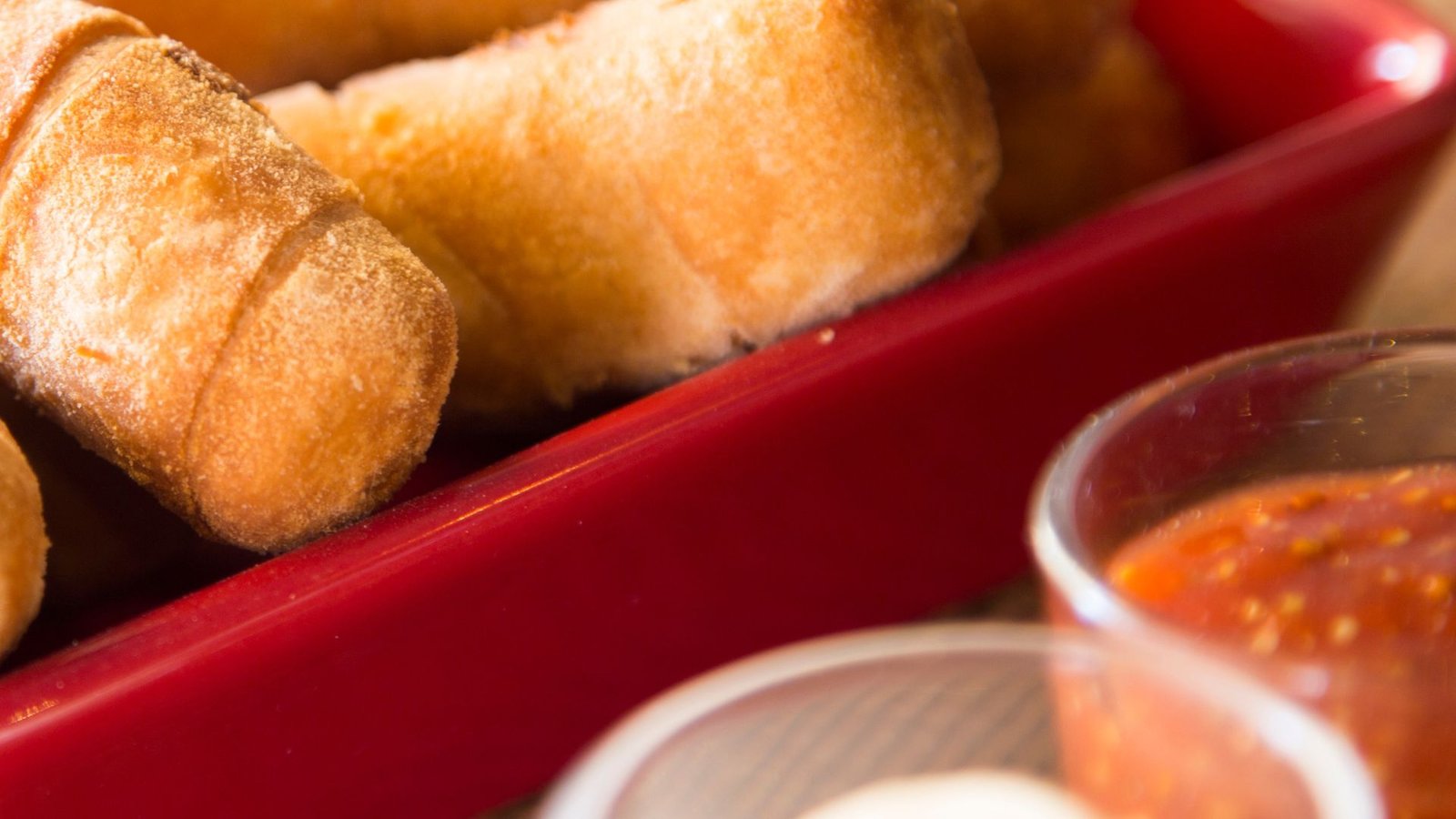
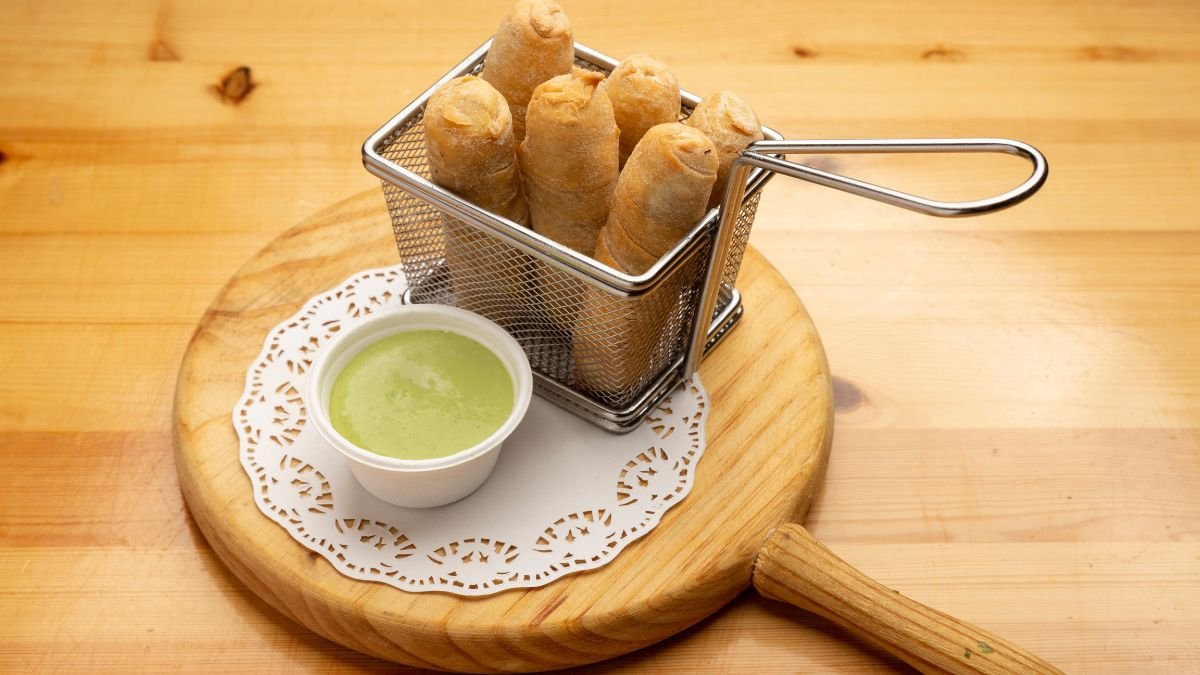
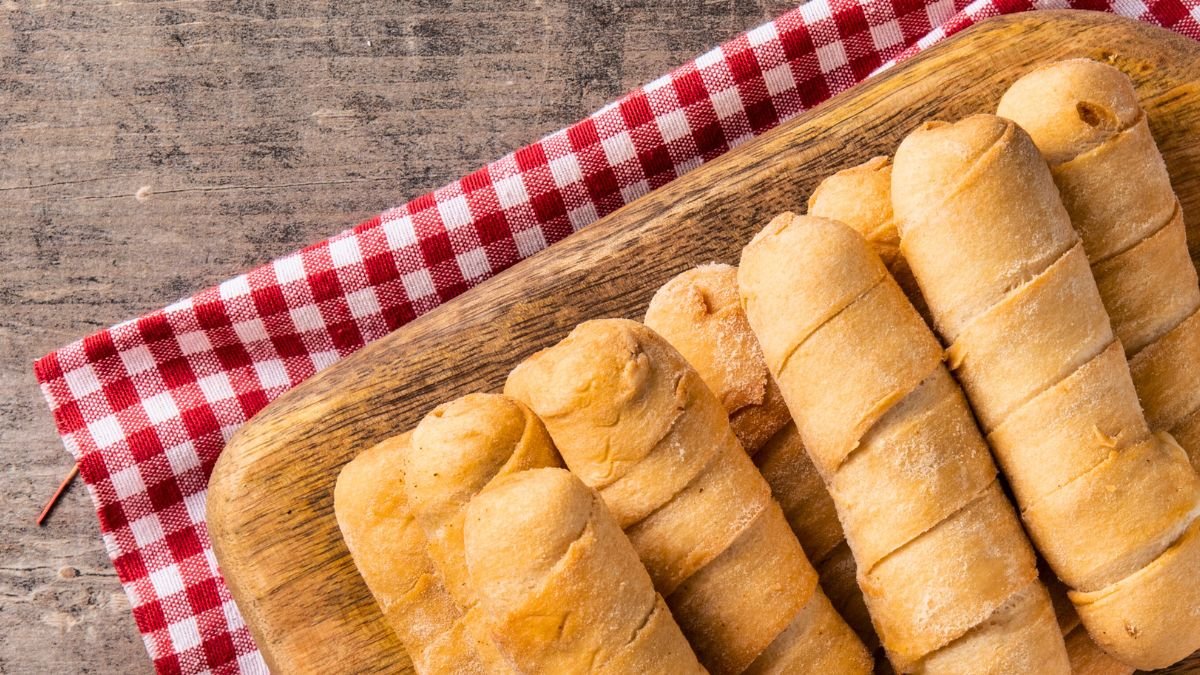
This semi-hard cheese is ideal for use in a variety of traditional dishes, standing out mainly in tequeños, where its texture and mild flavor perfectly complement the crispy dough.
Table of Contents
Origin and tradition of Paisa Cheese in Venezuelan gastronomy
Originating from the mountainous regions of Venezuela, Queso Paisa has been an integral part of local cuisine for decades. Its artisanal manufacturing has been passed down from generation to generation, maintaining traditional methods that include the use of fresh, pasteurized and homogenized milk, as well as a meticulous curdling and salting process that guarantees its quality and unique flavor. This tradition not only preserves the country's culinary legacy, but also strengthens the region's gastronomic identity.
-
Product on offer
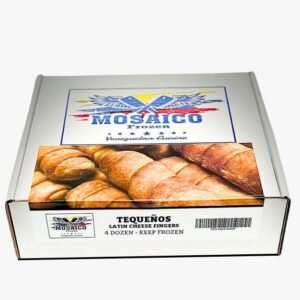
 Frozen Venezuelan tequeños, Latin cheese fingers (box 56 units)The original price was: $115.00.$76.25The current price is: $76.25.
 -
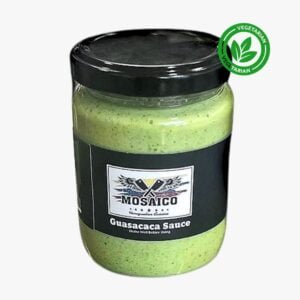
Product on offerVenezuelan Guasacaca Sauce, Green Sauce, 8 OZ – Salsas MosaicoThe original price was: $21.00.$16.96The current price is: $16.96.
-
Product on offerFrozen Venezuelan Tequeños, Latin Cheese Fingers (28 units)The original price was: $62.00.$44.50The current price is: $44.50.
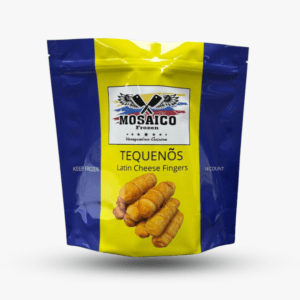

Your Orders for Frozen Products and Sauces Mosaico Frozen do Free shipping within United States.
FROZEN MOSAIC – TEQUEÑOS NEAR YOU IN THE UNITED STATES
Importance of Paisa Cheese in local and international cuisine
Queso Paisa is not only a favorite in Venezuelan homes, but has also begun to gain recognition internationally in Latin American cuisine. Its versatility makes it ideal for experimenting in different recipes, from tequeños to more elaborate dishes such as cakes and grilled dishes. In addition, its heat resistance makes it a preferred ingredient for chefs looking for a professional finish, maintaining an impeccable presentation and authentic flavor in their culinary creations.
This cheese represents a fusion of technique and tradition, being a testimony of the rich gastronomic culture of Venezuela and a standard of quality and flavor in the world of artisanal cheeses.
Characteristics of Paisa Cheese
Flavor and texture profile
Paisa Cheese is distinguished by its softness and balance on the palate, characteristics that make it extremely versatile in the kitchen. Its semi-hard, but sufficiently malleable texture allows it to melt evenly without losing shape, ideal for culinary applications that require a professional finish. The firm consistency and slight acidic undertone complement its subtle sweetness, making it a favorite in both hot and cold preparations.
Unique thermal properties for cooking
One of the most appreciated properties of Paisa Cheese is its resistance to high temperatures. Unlike many cheeses that tend to fall apart or burn, Queso Paisa maintains its integrity under heat. This is due to its specific curing process and the quality of the pasteurized and homogenized milk used in its production. The ability to withstand cooking in tequeños, on the griddle or even on the grill without losing texture or flavor makes it an exceptional ingredient for chefs and cooking enthusiasts.
Comparison with other popular cheeses
When comparing Queso Paisa with other cheeses used in Latin cuisine, such as palmita cheese or hand cheese, it stands out for its versatility and durability. While other cheeses may require specific temperature or preparation conditions, Queso Paisa is robust and adaptable, making it easy to use in a wide range of recipes. This makes it not only a practical but also economical option, reducing the need to buy different types of cheese for different dishes.
This unique profile of Paisa Cheese positions it as a preferred dairy product on the market, ideal for those looking for quality and functionality in a single ingredient. Its incorporation into daily cuisine demonstrates the fusion of technique and tradition, highlighting its prominent place in not only Venezuelan but also international gastronomy.
-
Product on offerFrozen Mini Venezuelan Ham and Cheese Empanadas (Box 48 Units)The original price was: $95.00.$78.25The current price is: $78.25.

Culinary Uses of Paisa Cheese
Traditional use in the preparation of tequeños
Paisa Cheese is a fundamental ingredient in the classic recipe of Tequeños, where its ability to melt perfectly and maintain an ideal texture enhances this popular Venezuelan appetizer. The combination of pasteurized and homogenized milk in its manufacture allows the cheese not to spill during frying, keeping the tequeño crispy on the outside and soft on the inside. This peculiarity makes it the preferred cheese for this traditional recipe.
Innovations: Use in cakes and grills
In addition to its traditional use, Queso Paisa has been incorporated into innovative pie recipes and has found a place in modern grilled cuisine. Its resistance to high temperatures and its mild flavor make it ideal to be incorporated into savory pastries, providing a creamy texture without overpowering the flavors of other ingredients. On the grill, Queso Paisa performs exceptionally well, adding a gourmet touch to burgers or as a surprise topping on roasted vegetables.
Featured recipes with Paisa Cheese
Within local and international gastronomy, Paisa Cheese has been the protagonist in various outstanding recipes. One of them is the homemade dough for tequeños, where the cheese is wrapped in a golden and crunchy dough, offering a contrast of textures that delights the palate. Another popular recipe is Paisa cheese in tequeños with milk, where its ability to absorb and complement flavors makes it indispensable. These recipes not only highlight the versatility of cheese, but also emphasize its importance in contemporary cuisine, demonstrating that Queso Paisa is much more than a simple ingredient; It is a culinary base that inspires creativity and passion in the kitchen.

Paisa Cheese Production Process
Ingredients needed
To make Paisa Cheese, a careful selection of high-quality ingredients is required. The base is fresh milk, preferably pasteurized and homogenized milk to ensure the consistency of the final product. In addition, rennet is used, essential for milk coagulation, and calcium chloride, which helps strengthen the structure of the cheese in treated milk. Salt is another crucial ingredient, not only for its role in preservation, but also for its contribution to flavor.
Equipment required for home brewing
The process of making Queso Paisa at home involves the use of some specific equipment to guarantee the best results. You will need a stainless steel pot to heat the milk, a thermometer to monitor the temperature, a cheesecloth to drain the whey, and suitable molds to form the cheese. A cheese press is also required, which helps form the desired texture and density during the curing process.
Detailed steps in cheese production
The manufacturing of Paisa Cheese follows a detailed process that ensures its quality and unique characteristics:
- Acidification and heating: It begins by heating the milk to the indicated temperature (approximately 32-36°C), adding the acid whey or lactic cultures to initiate acidification.
- Addition of calcium chloride and rennet: Once the milk reaches the desired temperature, diluted calcium chloride and then rennet are added, following the manufacturer's instructions. This allows the milk to coagulate properly.
- Curd cutting: After coagulation, the curd is cut into cubes to allow the whey to begin to separate.
- Cooking and stirring: The curd cubes are cooked slowly while stirring, which helps expel more whey and harden the curd.
- Pressed and molded: The curds are placed in molds and pressed to form the cheese, removing the remaining whey and consolidating the shape of the cheese.
- Salted and cured: The cheese is salted and allowed to cure under controlled conditions of temperature and humidity, which develops its characteristic flavor and texture.
This meticulous process not only guarantees the creation of an excellent quality Paisa Cheese, but also preserves the traditional techniques of artisanal cheesemakers, combining culinary heritage with modern production standards.
-
Product on offerFrozen Mini Venezuelan Dogfish Empanadas (2 Bags of 12 Units)The original price was: $56.00.$45.90The current price is: $45.90.
-
Product on offerFrozen Mini Venezuelan Ground Beef Empanadas (2 Bags of 12 Units)The original price was: $56.00.$45.90The current price is: $45.90.
-
Product on offerFrozen Mini Venezuelan Ham and Cheese Empanadas (2 Bags of 12 Units)The original price was: $56.00.$45.90The current price is: $45.90.
Your Orders for Frozen Products and Sauces Mosaico Frozen do Free shipping within United States.
FROZEN MOSAIC – TEQUEÑOS NEAR YOU IN THE UNITED STATES
Practical Tips for Working with Paisa Cheese
Optimal storage and preservation
Proper storage of Paisa Cheese is crucial to maintaining its quality and extending its shelf life. This semi-hard cheese should be stored in a cool, dry place, preferably in the least cold part of the refrigerator. Wrapping the cheese in wax paper or a cotton cloth allows it to breathe, thus preventing moisture buildup that can cause mold. For long-term storage, Queso Paisa can be frozen, although this may slightly alter its texture and flavor.
Tips to maximize its use in different dishes
Paisa Cheese is exceptionally versatile in the kitchen, and there are several ways to maximize its potential in different dishes:
- in tequeños: Using Paisa Cheese in homemade tequeños recipes ensures a creamy filling that does not overflow when frying.
- In the grill: Cutting the cheese into thick slices and lightly grilling it opens up new dimensions of flavor, ideal to accompany meats or vegetables.
- in cakes: Incorporated in savory pastry recipes, Paisa Cheese provides a soft texture and a delicate flavor that enriches the dish without overwhelming it.
What to avoid when cooking with Paisa Cheese
Although Paisa Cheese is a robust ingredient, there are some considerations to keep in mind to avoid common problems in the kitchen:
- Avoid overheating: Although cheese resists heat well, exposing it to extremely high temperatures can cause it to dry out and lose its characteristic texture.
- Minimal handling: When preparing dishes such as tequeños or cakes, handling the cheese as little as possible helps maintain its structural integrity.
The Community of Artisanal Cheesemakers of Paisa Cheese
Profiles and stories of notable cheesemakers
The community of artisan cheesemakers behind Queso Paisa is rich in unique characters and trajectories, each contributing their essence to this distinctive cheese. One of the most recognized is Irwin Molero, whose knowledge and dedication have been fundamental in the refining of techniques that guarantee the superior quality of Paisa Cheese. Molero's passion for preserving and teaching traditional methods has inspired a new generation of cheese makers in Venezuela.
Local cheese events and fairs
Annually, the Queso Paisa community gathers at various fairs and gastronomic events throughout Venezuela, where cheesemakers have the opportunity to showcase their products, exchange knowledge, and connect with cheese enthusiasts. These events not only serve as a showcase for Paisa Cheese but also as a space to promote innovation and sustainability within the local cheese industry.
Community contribution to the maintenance of the cheese tradition
The community of cheesemakers of Queso Paisa plays a crucial role in keeping the cheesemaking tradition alive in the region. Through their commitment to quality and authenticity, this community helps preserve a cultural legacy that is fundamental to Venezuela 's culinary identity.
Furthermore, collaboration between cheesemakers and the passing of knowledge from old to new generations ensures that traditional cheesemaking techniques not only survive but thrive in modern times. This collective effort not only supports the local economy, but also enriches global gastronomic diversity, introducing Queso Paisa to palates around the world.
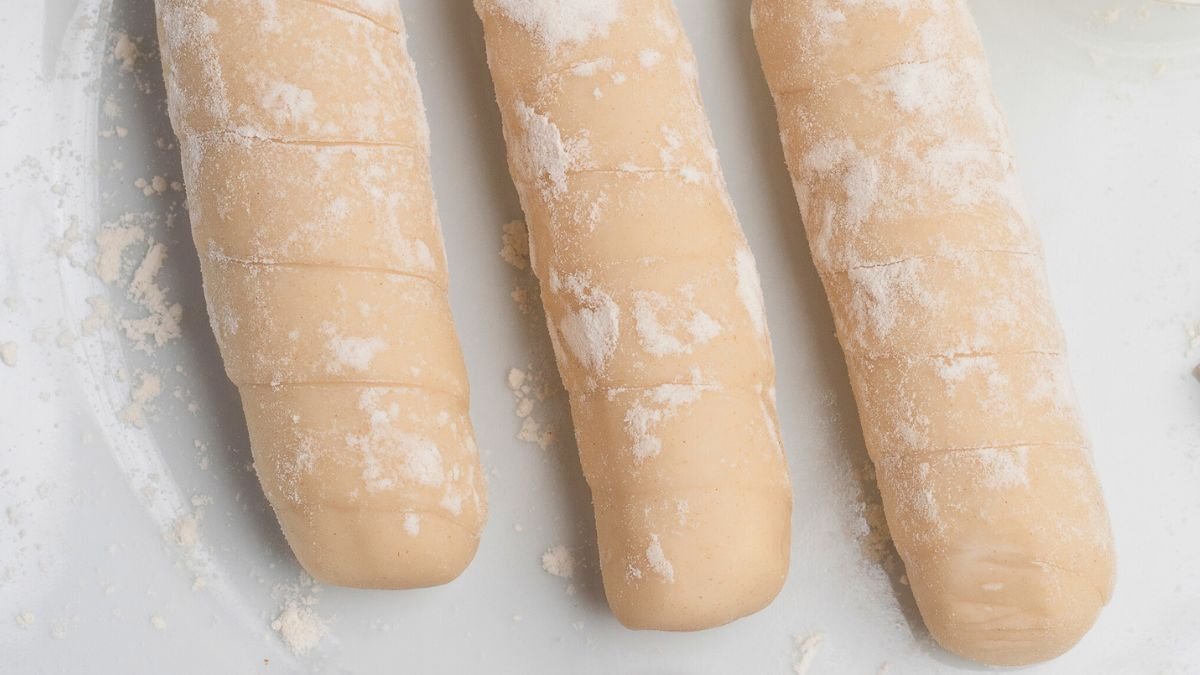
Frequently Asked Questions about How to Make Cheese for Tequeños with Pasteurized and Homogenized Milk
We hope that you find this selection of questions super interesting.
Is Paisa Cheese suitable for people with lactose intolerance?
Queso Paisa, like most fresh and semi-hard cheeses, generally contains lactose, which may not be suitable for people with an intolerance to this milk sugar. Although the fermentation process during cheese making can reduce lactose content, fresh and semi-hard cheeses tend to retain more lactose compared to more aged and hard cheeses.
For people with lactose intolerance, it is advisable to opt for low-lactose or lactose-free cheeses, or use alternative dairy products specially designed to reduce or eliminate lactose. It is also helpful to check product labels and, in some cases, consult with a doctor or nutritionist for specific recommendations based on the degree of lactose intolerance.
-
Product on offerSpicy Guasacaca Sauce, 8 OZ – Salsas MosaicoThe original price was: $21.00.$16.96The current price is: $16.96.
-
Product on offerGarlic Sauce, 8 OZ – Mosaic SaucesThe original price was: $21.00.$16.96The current price is: $16.96.
-
Product on offerVenezuelan Guasacaca Sauce, Green Sauce, 8 OZ – Salsas MosaicoThe original price was: $21.00.$16.96The current price is: $16.96.
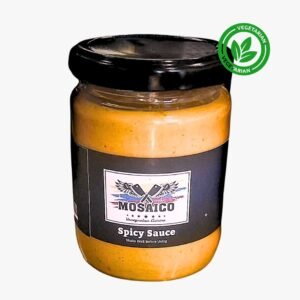
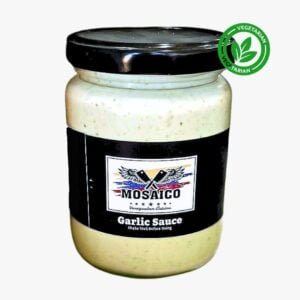
Your Orders for Frozen Products and Sauces Mosaico Frozen do Free shipping within United States.
FROZEN MOSAIC – TEQUEÑOS NEAR YOU IN THE UNITED STATES
Are there commercial versions of Paisa Cheese that maintain its artisanal quality?
Yes, there are commercial versions of Paisa Cheese that maintain its artisanal quality. Many producers in Venezuela and other places have managed to industrialize the Paisa Cheese manufacturing process without sacrificing the traditional techniques and standards that define its quality. These cheeses are produced following established curdling and curing methods, using high-quality milk and maintaining the flavor and texture characteristics expected from artisanal Paisa Cheese.
These commercial versions are usually available in local markets and specialty stores, and are often promoted by highlighting their adherence to artisanal practices. This allows consumers to enjoy a product that combines the authenticity of the artisanal process with the consistency and availability of a product manufactured on a larger scale.
How can Paisa Cheese be incorporated into vegetarian or vegan diets?
Incorporating Paisa Cheese into vegetarian diets is possible, since it is a product derived from milk and does not contain ingredients of animal origin beyond dairy products. However, for vegan diets, Queso Paisa would not be suitable, as vegans avoid all animal products, including dairy.
For vegetarians, Queso Paisa can be used in a variety of dishes where cheese is required, such as in salads, as part of fillings for empanadas or arepas, and naturally, in tequeños. Its ability to melt well makes it excellent for baked dishes, such as lasagnas or vegetarian pizzas.
To adapt it to a vegan diet, it would be necessary to look for vegan cheese alternatives that imitate the characteristics of Queso Paisa, especially its ability to withstand high temperatures without completely melting. These vegan cheeses are usually made from vegetable oils, nuts, or modified starches, designed to replicate the texture and flavor of traditional cheese.
What is pasteurization in cheese?
Pasteurization in cheese production is a crucial process that involves heating milk to a specific temperature for a certain period with the aim of eliminating pathogenic bacteria and reducing the number of microorganisms present. This process ensures food safety and can extend the shelf life of the cheese.
Process details
- Temperature and time: Typically, milk is heated to around 72°C (161°F) for at least 15 seconds, or to 63°C (145°F) for 30 minutes in the case of slow pasteurization. These parameters may vary slightly depending on local regulations and the specific types of cheese being produced.
- Effects on milk: In addition to killing harmful bacteria, pasteurization affects some enzymes in the milk that can influence the flavor, texture, and ripening ability of the cheese. Some cheesemakers prefer to use unpasteurized milk for certain types of traditional cheeses, arguing that it offers a richer, more complex flavor.
Impact on cheese making
- Cheese quality: Pasteurization can affect the characteristics of the cheese. For example, it can reduce the variety of natural microflora, which could simplify the flavor profile of the final cheese. However, it also allows greater control over the fermentation process, as the cheesemaker can add specific bacterial cultures necessary to develop desired flavors and textures.
- Types of cheese: Some cheeses, especially those that are cured for longer periods, can be made with unpasteurized milk because the long curing process helps eliminate harmful bacteria. However, many cheeses, especially fresh and short-aged cheeses, are made almost exclusively with pasteurized milk for food safety reasons.
In summary, pasteurization is a vital step in modern cheese manufacturing that helps ensure the safety and quality standard of the final product.
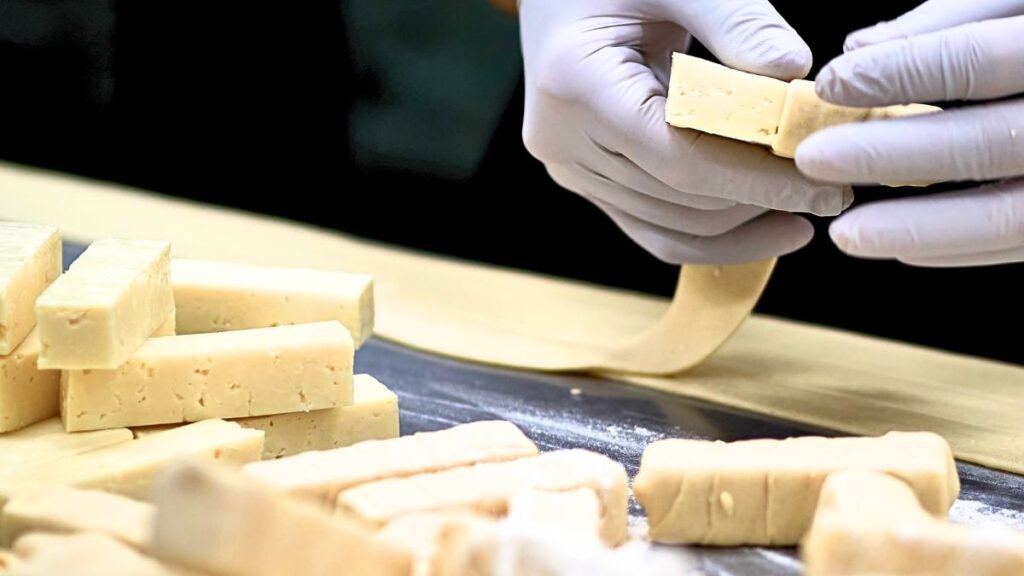
How to make pasteurized cheese at home?
Making pasteurized cheese at home is a rewarding process that allows you to control the ingredients and experiment with different textures and flavors. Here is a basic guide to making pasteurized fresh cheese at home:
Necessary materials
- Pasteurized milk (not ultra-pasteurized as it can affect coagulation)
- Rennet (liquid or tablets)
- food thermometer
- Large spoon or spatula
- Large stainless steel pot
- large strainer
- Cheese cloth or muslin
- Cheese mold (optional)
Steps to make pasteurized fresh cheese
- Pasteurization of milk (optional if it is already pasteurized)
- Heat the milk slowly in a large pot to 72°C (161°F) and hold at that temperature for 15 seconds. If you prefer a gentler pasteurization, heat to 63°C (145°F) and hold for 30 minutes.
- Let the milk cool to the right temperature to add the rennet, usually around 32°F (90°C).
- Addition of starter cultures (optional)
- If you want to develop a specific flavor, you can add lactic cultures before curdling the milk. This also helps acidify the milk, which is crucial for cheese formation.
- Coagulation with rennet
- Dilute the rennet in a little cold water (follow package instructions for proportions).
- Pour the rennet into the milk and mix gently in an up and down motion to distribute it evenly.
- Let the milk sit undisturbed for about an hour or until the curds have formed and are firm enough to cut.
- Curd cutting
- Cut the curd into evenly sized cubes with a long knife or spatula. The size of the cubes will affect the moisture of the cheese; Smaller cubes will result in a firmer cheese.
- Curd cooking
- Heat the curd slowly, stirring occasionally to prevent it from sticking. This helps expel the whey. The final temperature should be approximately 38-40°C (100-104°F).
- Drainage
- Pour the curds and whey through a sieve lined with cheesecloth. Let the whey drain. You can hang the cloth with the curd so that it drains better.
- Pressing
- Place the curd in a mold and press under a weight to form the cheese. Pressing time may vary depending on the type of cheese you are making.
- Salty
- You can mix salt with the curd before pressing or salt the cheese once formed.
- Curing (optional)
- Some cheeses benefit from a period of curing under controlled humidity and temperature conditions.
Additional tips
- Hygiene is crucial: make sure all utensils and surfaces are clean to avoid contamination.
- Experiment with different cultures and rennets to vary the flavor and texture of the cheese.
Making cheese at home allows you to experiment with a traditional culinary art and enjoy fresh, personalized dairy products. Enjoy the process and the delicious result!
-
Product on offerFrozen Mini Venezuelan Chicharrón Arepas (2 Bags of 14 Units)The original price was: $45.00.$43.15The current price is: $43.15.
Your Orders for Frozen Products and Sauces Mosaico Frozen do Free shipping within United States.
FROZEN MOSAIC – TEQUEÑOS NEAR YOU IN THE UNITED STATES
What is the difference between fresh cheese and pasteurized cheese?
Fresh Cheese: This is a type of cheese that has not been matured or aged. It has a soft texture and a generally mild flavor, and is consumed soon after its production.
Pasteurized Cheese: This refers to any cheese made from milk that has been heated to a specific temperature to eliminate bacteria before cheesemaking. This process can be applied to both fresh and aged cheeses to ensure food safety.
These terms describe different aspects of the cheese: 'fresh' refers to the state of ripening and 'pasteurized' refers to the prior treatment of the milk.
How do you know if a cheese is pasteurized?
To find out if a cheese is pasteurized, check the product label. You must indicate whether the milk used was pasteurized before making the cheese. If you do not have this information available, consider that many cheeses sold in supermarkets are usually made from pasteurized milk for food safety reasons.
Is all cheese in the US pasteurized?
No, not all cheese in the US is pasteurized. The Food and Drug Administration (FDA) allows the sale of cheeses made from raw (unpasteurized) milk as long as the cheese has been aged for at least 60 days at a temperature of 35°F or higher. This is done to reduce the risk of potentially harmful bacteria that could be present in raw milk. However, most cheeses available in supermarkets and grocery stores in the US are made from pasteurized milk to ensure food safety.
What is the initial procedure for making cheese for Tequeños with pasteurized and homogenized milk?
Initially, it is crucial to heat the pasteurized and homogenized milk until it is close to reaching 36°C (97°F), the ideal temperature to begin the curdling process. This step is essential for the correct preparation of tequeños, since it prepares the milk to be transformed into heat-resistant cheese.
What minimum implements do I need to start making cheese for Tequeños?
To start, you need to have some minimal implements: a thermometer to measure the temperature of the milk, a wooden spoon to mix, a long knife or lyre to cut the curd, and heat-resistant molds to shape the cheese. These utensils are essential to correctly follow the procedure.
How can I heat milk for cheese making properly?
The milk should be heated slowly in a heatproof pot, ensuring that the temperature rises evenly until it reaches 36°C (97°F). This temperature control is key during the procedure to guarantee the correct activation of the dairy cultures and rennet.
What is the procedure to add rennet to milk?
Once the milk reaches approximately 36°C, add the rennet diluted in a little room temperature water, mixing gently with folding motions to distribute it evenly. This process begins the formation of the curd that will later become cheese for tequeños.
How should curds be treated once formed?
After the curd is formed, it should be cut slowly with a long knife or lyre, creating cuts that form small cubes similar to the size of a grain of corn. This process allows the whey to be efficiently separated from the curds, a crucial step in cheese making.
What is the next step after cutting the curd?
After cutting the curd, it should be left to rest for a few minutes, allowing the cuts to settle. The mixture is then heated very slowly, stirring occasionally, until it reaches 46°C (115°F). This process helps harden the curd, making it perfectly heat resistant for Tequeños.
How do you finish making cheese for tequeños?
Finally, the hardened curd is placed in heat-resistant moulds, pressing lightly to compact and shape it. The cheese must be salted to taste and then can be refrigerated until it is firm and ready to be used in making tequeños.
-
Product on offerFrozen Venezuelan tequeños, Latin cheese fingers (box 56 units)The original price was: $115.00.$76.25The current price is: $76.25.
-
Product on offerVenezuelan Guasacaca Sauce, Green Sauce, 8 OZ – Salsas MosaicoThe original price was: $21.00.$16.96The current price is: $16.96.
-
Product on offerFrozen Venezuelan Tequeños, Latin Cheese Fingers (28 units)The original price was: $62.00.$44.50The current price is: $44.50.
Your Orders for Frozen Products and Sauces Mosaico Frozen do Free shipping within United States.
FROZEN MOSAIC – TEQUEÑOS NEAR YOU IN THE UNITED STATES
What care should I take when handling milk and curd during the procedure?
It is important to always maintain hygiene to avoid contamination. Furthermore, throughout the entire procedure, it is crucial to control the temperature of the milk and curd carefully, since sudden variations can negatively affect the quality of the cheese intended for the production of tequeños.