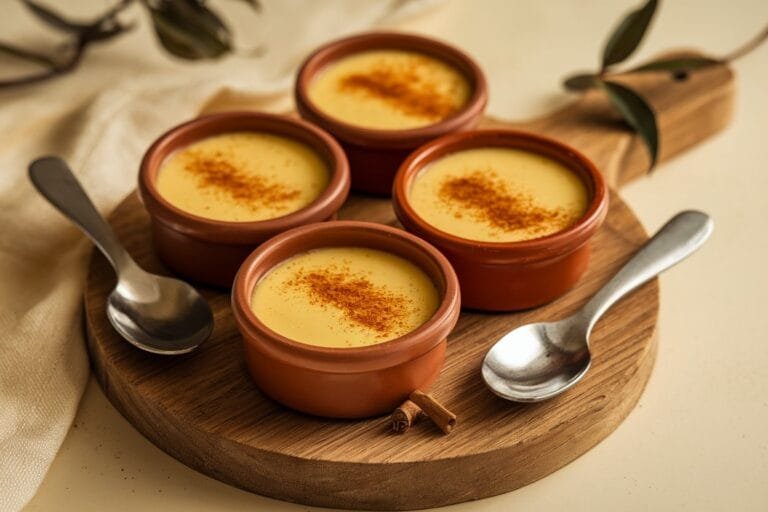


Natilla is a dessert that evokes childhood memories and family traditions in many homes around the world, especially in Spanish-speaking countries where it is enjoyed during festive times and family gatherings. This sweet treat, with a soft texture and comforting flavor, has become a symbol of home cooking and the art of making desserts with love and patience. Making traditional natilla is a process that, although simple, requires attention to detail to achieve that perfect balance between creaminess and flavor that characterizes it so much.
The preparation of traditional custard begins with basic ingredients that are usually on hand in any kitchen: milk, eggs, sugar and, depending on the region, essences such as vanilla or cinnamon are added to give it a distinctive touch. The secret of a good custard lies in slow and constant cooking, which allows the mixture to thicken perfectly without boiling, thus maintaining a smooth texture without lumps. Below, we will detail step by step how you can make this delicious recipe and surprise your loved ones with a dessert that is an experience of flavor and tradition.
Recommended products
Frozen Mini Venezuelan Chicharrón Arepas (2 Bags of 14 Units)
The original price was: $45.00.$43.15The current price is: $43.15.Frozen Mini Venezuelan Ground Beef Empanadas (2 Bags of 12 Units)
The original price was: $56.00.$45.90The current price is: $45.90.Frozen Mini Venezuelan Ground Beef Empanadas (Box 48 Units)
The original price was: $95.00.$78.25The current price is: $78.25.Frozen Mini Venezuelan Dogfish Empanadas (2 Bags of 12 Units)
The original price was: $56.00.$45.90The current price is: $45.90.
Homemade Custard Recipe Step by Step
Homemade custard is a traditional dessert that never fails to please, especially because of its smooth flavor and creamy texture. To begin, you'll need the basic ingredients: 500 ml of milk, 100 grams of sugar, 4 egg yolks, 1 cinnamon stick, and the zest of one lemon for flavoring. It's also common to add a teaspoon of vanilla extract or a vanilla bean for extra flavor.
The first step in preparing custard is to heat the milk in a saucepan over medium heat. Add the cinnamon stick and lemon peel to infuse the milk with their aromas. It's important that it doesn't boil, so you'll need to keep a close eye on it and stir occasionally. Meanwhile, in a separate bowl, whisk the egg yolks with the sugar until the mixture becomes pale and frothy.
Once the milk is hot and infused with the lemon zest, remove the lemon peel and cinnamon stick. Then, slowly pour the milk over the egg yolk and sugar mixture, whisking constantly to prevent the eggs from curdling. It's crucial to do this slowly and at a moderate temperature to achieve the ideal custard texture and avoid lumps.
Once you've thoroughly blended the milk with the egg yolks, return the mixture to the saucepan and cook over low heat. Stir constantly with a wooden spoon or spatula, scraping the bottom and sides of the pan to prevent the mixture from sticking or burning. Cook until the custard has thickened enough to coat the back of a spoon, which usually takes a few minutes.
Finally, remove the custard from the heat and pour it into individual ramekins or a large serving dish. Let it cool to room temperature before refrigerating. Before serving, it's traditional to sprinkle a little ground cinnamon or brown sugar on top, which, when caramelized with a kitchen torch or under the broiler, forms a crispy topping. Enjoy your delicious homemade custard as a dessert or a sweet treat.

Key Ingredients for a Perfect Traditional Custard
Custard is a traditional dessert that captivates with its smooth flavor and creamy texture. To achieve perfect custard , it's essential to start with the basic ingredients: milk and eggs. Milk, preferably whole milk, is the liquid base of our custard and gives it that thick, rich consistency we all love. On the other hand, eggs are the natural thickening agent that helps the mixture set, resulting in custard's characteristic texture.
Sugar is another crucial component in making a traditional custard. Make sure you use the right amount so that the sweetness is perfectly balanced with the other ingredients. In this regard, granulated white sugar is the most common choice, although some prefer the subtlety of brown sugar or even honey, which can add extra flavor nuances and a special richness to our dessert.
We can't forget vanilla , the distinctive aroma in most custard recipes. Whether using vanilla extract, essence, or the scraped seeds from a vanilla bean, this ingredient is key to providing that unmistakable fragrance and flavor that elevates custard to another level. The amount of vanilla must be measured precisely, as too much can be overwhelming and overpower the dessert's delicate taste.
In many regions, it's traditional to add a touch of cinnamon to custard, either in powder form or using sticks during cooking. Cinnamon not only provides a warm, spicy flavor that perfectly complements the sweetness of the custard, but it also offers an aroma reminiscent of holidays and family gatherings. This ingredient can be adjusted to taste, but always be careful not to overpower the flavor of the other ingredients.
Finally, to give our custard a classic finish, a light layer of caramel is essential . Whether you prefer to make it with sugar and water or simply use sugar, the caramel provides a contrast of textures and flavors that enriches the experience of enjoying the custard. This final touch not only decorates our dessert but also adds a subtle bitterness that balances the sweetness of the dish.
Coquito – Delicious and easy to make recipes
How to make traditional custard

Venezuelan custard

8 best green and ripe banana recipes

Bistec Encebollado – Steak & Onions

Easy and delicious Colombian custard recipe
The Secret of Traditional Custard: Cooking Techniques
Traditional custard is a dessert that evokes nostalgia and brings families together with its unique flavor and smooth texture. But what's the secret to achieving that perfect consistency and unmistakable taste? One of the first steps is selecting quality ingredients . A base of milk, preferably whole milk, and fresh eggs are essential for optimal flavor and texture. In addition, natural vanilla or lemon zest will add that distinctive touch that will make your custard stand out.
The cooking process is perhaps where the true secret to an exceptional custard lies. It's crucial to maintain a low, constant heat throughout the cooking process, preventing the mixture from boiling. Patience is key here, as the custard must be cooked slowly, stirring with a wooden or silicone spoon to prevent sticking and ensure even thickening. This technique guarantees a silky, lump-free texture.
Resting time is another key factor in making authentic traditional custard. Once cooked, it's important to let it cool to room temperature before refrigerating it. This step allows the flavors to meld and the texture to firm up properly. Some experts recommend covering the surface of the custard with plastic wrap to prevent a skin from forming on top.
A lesser-known but crucial technique is whisking the egg yolks . Before adding the yolks to the hot milk mixture, it's best to whisk them with a little sugar until they turn pale. This process not only helps prevent the yolks from cooking prematurely as they are incorporated, but it also contributes to a more appealing color and a creamier texture in the custard.
Ultimately, personalizing the flavor is what will make your traditional custard unforgettable. While cinnamon and lemon are classics, don't be afraid to experiment with other flavorings like star anise or even a touch of liqueur, which can add a different and surprising nuance to your dessert. Remember, the secret lies in finding the perfect balance that respects the essence of the custard while also giving it your personal touch.
Most selled products
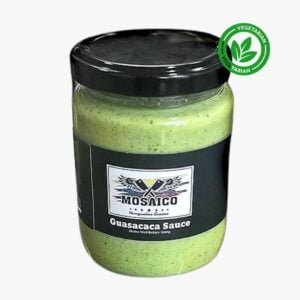
Venezuelan Guasacaca Sauce, Green Sauce, 8 OZ – Salsas Mosaico
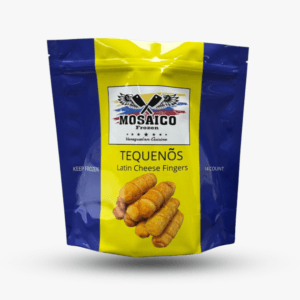
The original price was: $21.00.$16.96The current price is: $16.96.Frozen Venezuelan Tequeños, Latin Cheese Fingers (28 units)
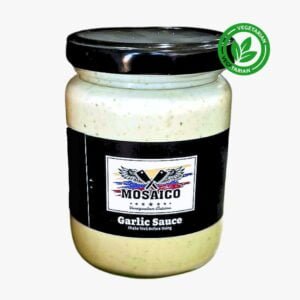
The original price was: $62.00.$44.50The current price is: $44.50.Garlic Sauce, 8 OZ – Mosaic Sauces
The original price was: $21.00.$16.96The current price is: $16.96.Frozen Mini Venezuelan Chicken Empanadas (2 Bags of 12 Units)
The original price was: $56.00.$45.90The current price is: $45.90.Frozen Mini Venezuelan Ground Beef Empanadas (2 Bags of 12 Units)
The original price was: $56.00.$45.90The current price is: $45.90.
Variations of Traditional Custard: Ideas and Tips
Traditional custard is a dessert that varies depending on the region where it's prepared. For example, in some Latin American countries, it's common to find custard with a touch of shredded coconut or panela ( unrefined cane sugar), which gives it a unique and characteristic flavor. If you want to experiment with flavors, you can add these ingredients while the milk is cooking. Likewise, adding a cinnamon stick while the milk is heating will infuse it with a special aroma and flavor.
Another popular option is lactose-free custard , ideal for those with lactose intolerance or who follow special diets. In this case, almond, soy, or oat milk can be used as a substitute. It's important to adjust the amount of sugar since these milks tend to be sweeter. Additionally, to achieve the desired consistency, thickeners such as cornstarch or rice flour can be used.
Custard can also be made vegan with a few adjustments. Use plant-based milks and replace the eggs with agar-agar or ground flax seeds . These ingredients will not only thicken the mixture but also provide additional nutrients. As for the sugar, you can replace it with natural sweeteners like stevia or agave syrup.
For chocolate lovers, chocolate custard is an irresistible option. You can add cocoa powder or melted chocolate to the basic recipe. The key is to add the chocolate once the milk is hot, but before it reaches a boil. This ensures the chocolate melts properly and prevents the mixture from burning.
Finally, if you enjoy experimenting with exotic flavors, you can prepare custard with a touch of liqueurs or essences . Some popular options are vanilla extract , orange liqueur, or even a little rum . These ingredients should be added at the end of the cooking process to preserve their intense aromas and flavors. However, it's important to moderate the amount so as not to overpower the smooth and creamy taste of traditional custard.

The History and Origin of Custard: A Classic Dessert
The history of custard dates back to medieval Europe , where this dessert began to take shape in the kitchens of convents and monasteries. At that time, eggs were a common and readily available ingredient, which facilitated the creation of recipes based on their thickening and enriching properties. Custard, whose name derives from the Latin "natellus," meaning small custard or cream, began to gain popularity as a delicate and smooth dessert among the aristocracy and upper classes.
Over time, custard spread to various European cultures, acquiring its own characteristics in each region. In Spain, for example, it became a classic dessert , often flavored with cinnamon or lemon and accompanied by a layer of caramel or a biscuit. The traditional Spanish custard recipe has remained relatively unchanged throughout the centuries, which speaks to its deep roots and popularity in the country's culinary culture.
Spanish and Portuguese colonization brought custard to the Americas, where it was adapted to local tastes and ingredients. In Latin America, this dessert took on various forms and names, such as "manjar blanco" in some countries or "arequipe" in others. However, the heart of the recipe remained unchanged: milk, eggs, sugar , and vanilla extract, simmered until it reached its characteristic creamy texture.
Today, custard remains a beloved dessert in many parts of the world. Its simplicity and versatility have made it a favorite for both formal occasions and everyday enjoyment. Furthermore, the basic custard recipe has served as the foundation for other desserts, such as French crème brûlée and Portuguese pastel de nata , demonstrating the enduring influence of this delicious treat.
In short, custard is more than just a dessert; it's a historical legacy that continues to delight palates. Whether enjoyed as a comforting spoonful or as part of a more elaborate recipe, custard embodies both tradition and innovation in baking, maintaining its place at the tables of past, present, and future generations.