
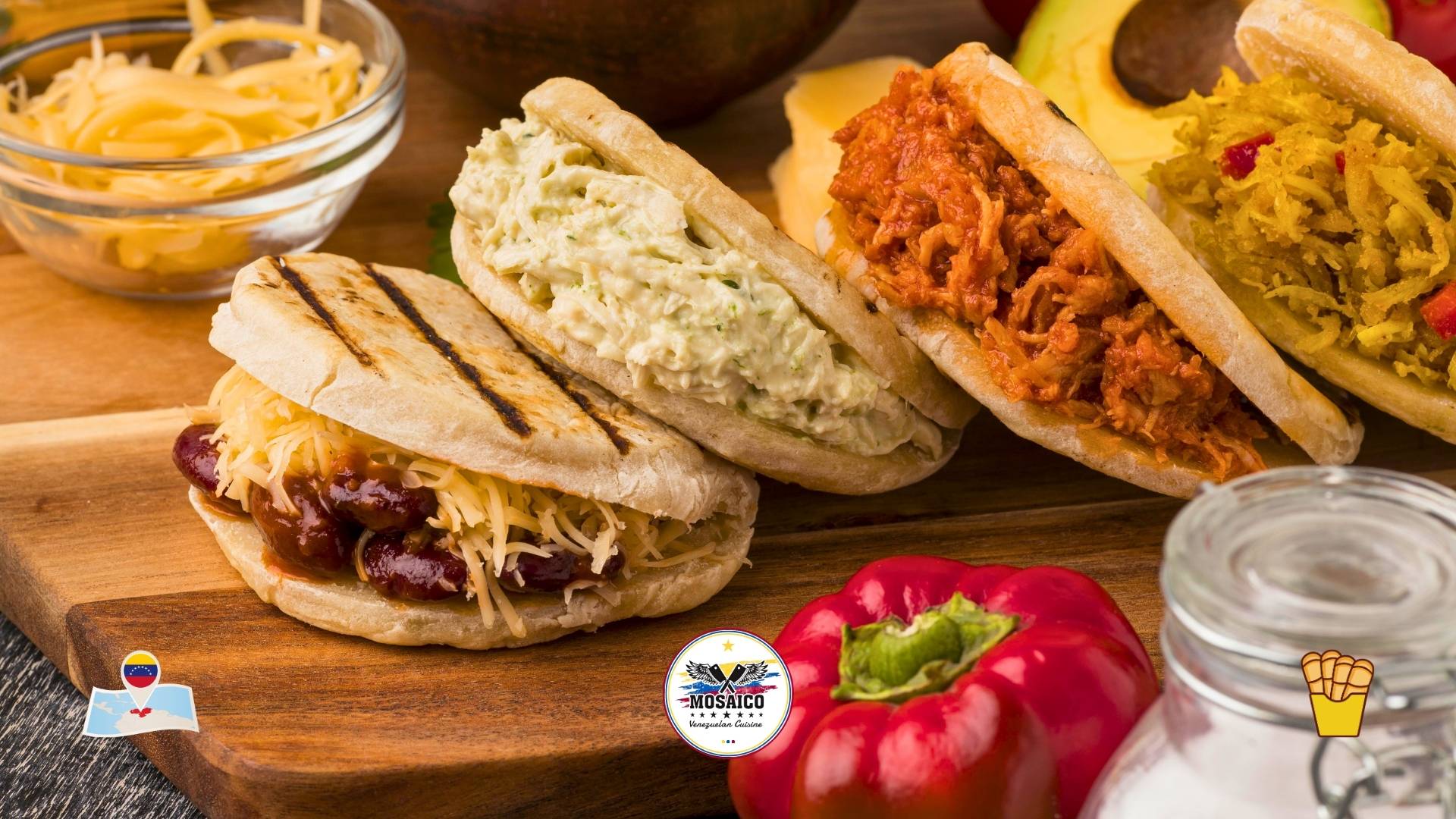
In every corner of Venezuela, a flavorful story unfolds, brimming with colors and aromas that ignite the senses. It's not just the story of Venezuelan cuisine ; it's the tale of a people who reveal their identity through Venezuelan gastronomy . Kitchens sizzle with recipes that speak of a shared past, of cultural fusions, and of an innate love for traditional Venezuelan dishes.
Content
As if it were a culinary canvas, the brushstrokes of corn, cassava and chili have colored gastronomy since pre-Columbian times, contrasting with the flavors brought by the waves of colonizers and migrants who arrived on its shores. It is this wealth that today raises the name of Venezuela in the concert of the great cuisines of the world.
Main Points to Remember
- La Venezuelan gastronomy It is a mosaic of indigenous, European and African influences.
- The traditional Venezuelan dishes such as Creole flag and the arepa are an essential part of their cultural identity.
- Ingredients such as corn, cassava and sweet chili are pillars of the history of Venezuelan cuisine.
- The chef Sumito Estevez He has been an ambassador of Venezuelan flavors internationally.
- The Venezuelan diaspora has played an important role in promoting its rich culinary heritage.
Pre-Columbian Origins of Venezuelan Gastronomy
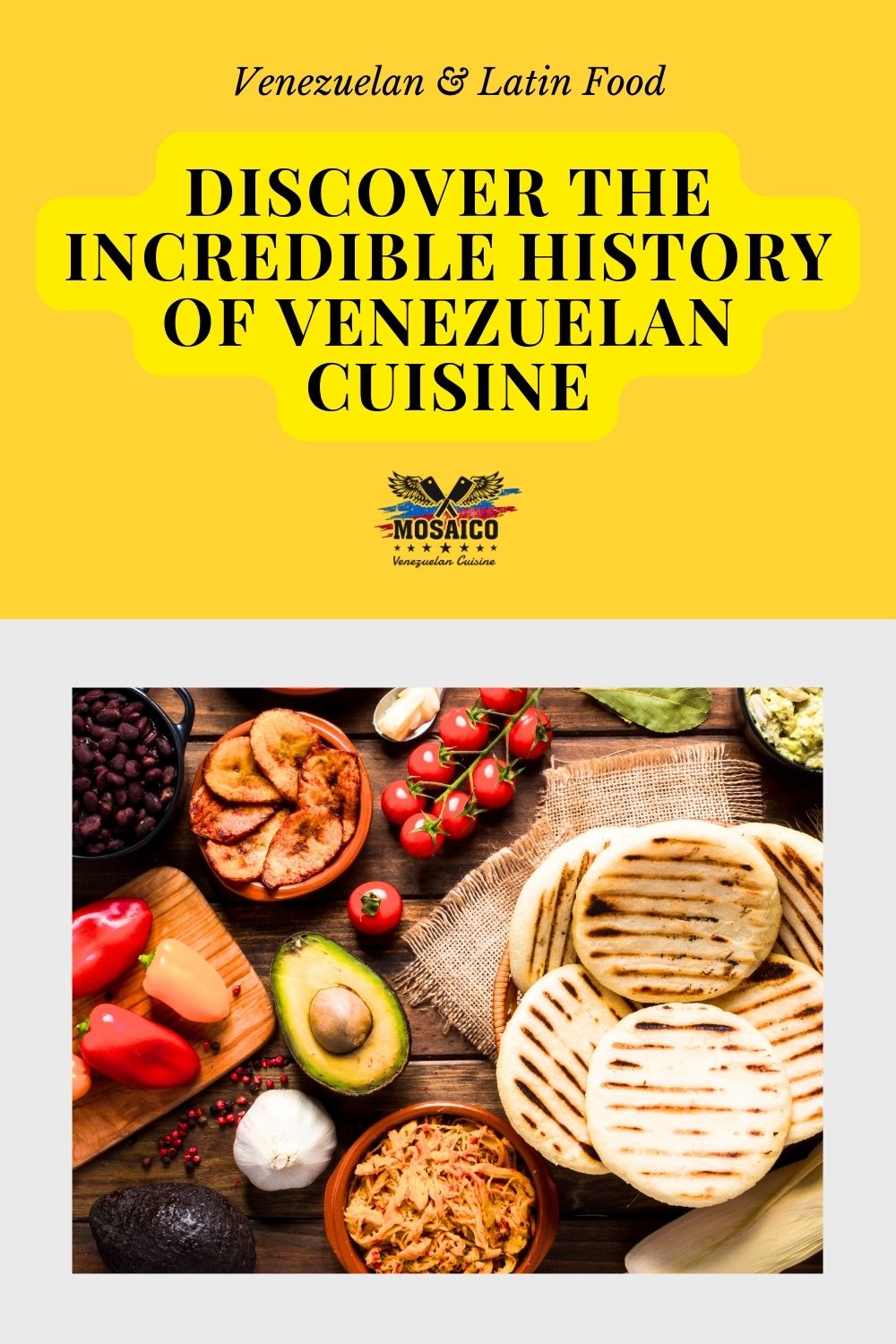
Venezuelan gastronomy boasts a rich culinary heritage that dates back to pre-Columbian times, when products like corn, cassava, and sweet peppers formed the basis of the diet of indigenous communities. This ancestral legacy has been maintained throughout the centuries and is evident in the typical ingredients of Venezuelan cuisine today.
These foods were not only part of the daily diet, but also central elements in rituals and festivities. Below is a table that highlights the importance of these ingredients and their role in the construction of what we know today as Venezuelan cuisine:
| Ingredients | Historical Use | Presence in Today's Kitchen |
|---|---|---|
| Corn | Base for arepas and cachapas | Ubiquitous in arepas, hallacas, and drinks like chicha |
| Yucca | Consumed in its natural state or to make cassava | Present in tequeños, sancochos and as a side dish |
| Sweet pepper | Used to flavor soups and stews | Essential in stir-fries and many typical dishes |
Recognizing these ingredients is not only an act of reverence for the country's roots, but also a way to preserve and celebrate the indigenous legacy in the composition of Venezuela's vast and varied gastronomy. The origin of Venezuelan food and the use of typical Venezuelan ingredients is a story of sustainability, respect for the land and its bounty, and a wisdom that is celebrated in every dish today.
Cultural Fusion in Venezuelan Flavors
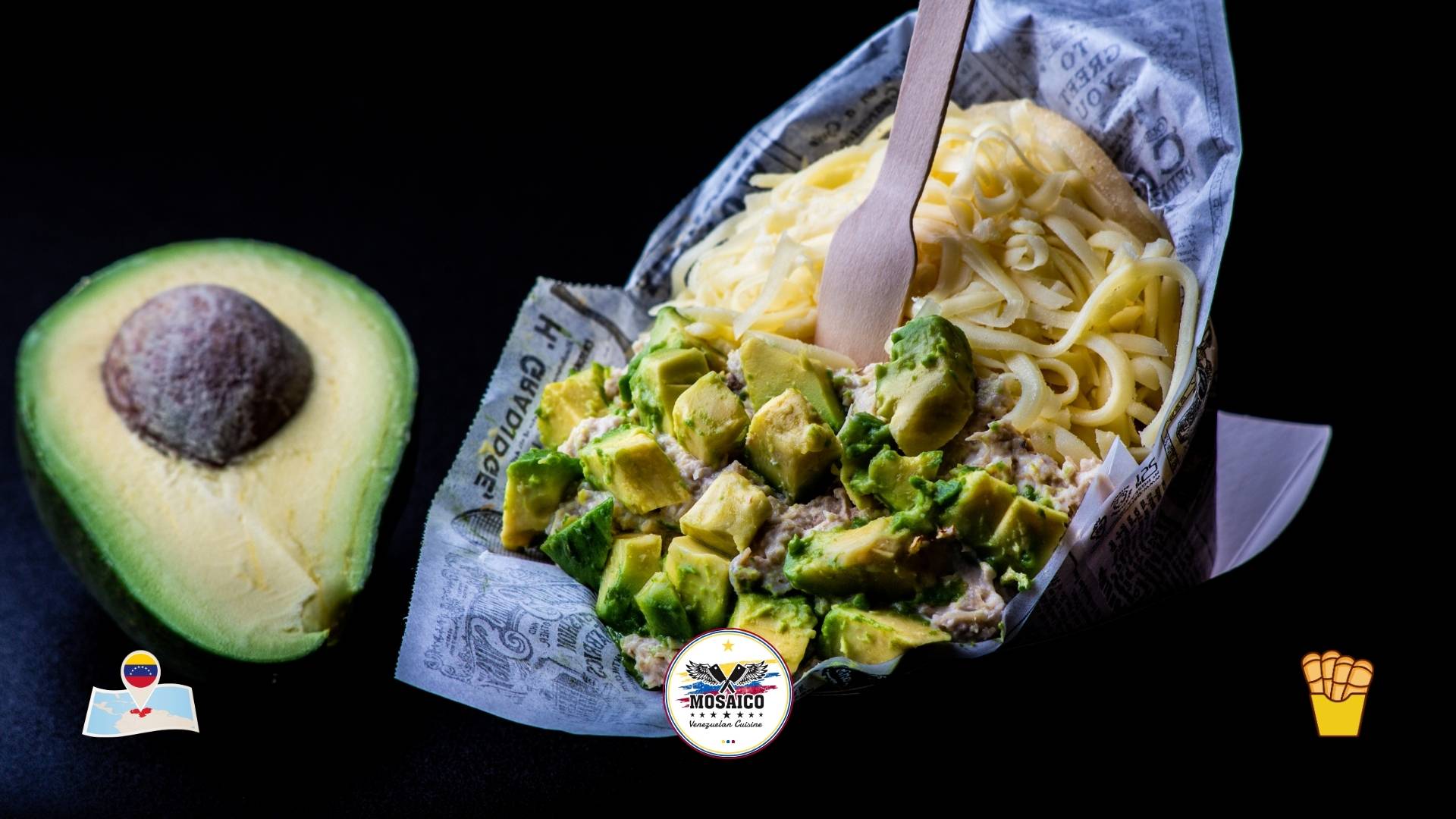
Venezuelan cuisine has been a constant evolution of flavors and traditions . Each dish tells a story of cultural encounters, where ingredients and culinary techniques from different origins have intertwined to create authentic Venezuelan recipes brimming with history and flavor. This magnificent cultural fusion reflects a society that embraces the diverse influences that have shaped its culinary identity.
Indigenous, African and Spanish Influence
Indigenous flavors, deeply rooted in the land and the pre-Hispanic past, have permeated authentic Venezuelan recipes with products like corn and cassava. African and Spanish contributions brought not only new ingredients but also culinary methods and customs that are now an integral part of Venezuelan cuisine, with the hallaca standing out as an icon of this gastronomic fusion.
The arrival of Other Cultures to Venezuelan Stoves
The culinary history of Venezuela continues to be enriched by the influence of European and Middle Eastern cultures. Italians and Portuguese, among others, have contributed flavors and techniques that have enriched the Venezuelan gastronomic palette.
| Culture | Influence | Representative Dishes |
|---|---|---|
| Indigenous | Ancestral techniques, use of corn and cassava. | Casabe, Arepas |
| African | Introduction of new flavors and spices. | Hallacas, Mondongo |
| Spanish | Cooking techniques, meats and legumes. | Creole Pavilion, Roasted Black |
| Italian and Portuguese | Use of pasta and cod in the diet. | Banana lasagna, Biscayne-style cod |
| Middle East | Spices and ways of preparing grains. | Adapted Shawarma, Kibbeh |
This is how the influence of cultures on Venezuelan gastronomy has been key in the formation of a culinary mosaic that represents not only a mixture of flavors, but also the union and adaptability of a people who have known how to adopt the best of each culture to enrich their gastronomic legacy.
The Creole Pavilion: Symbol of National Identity
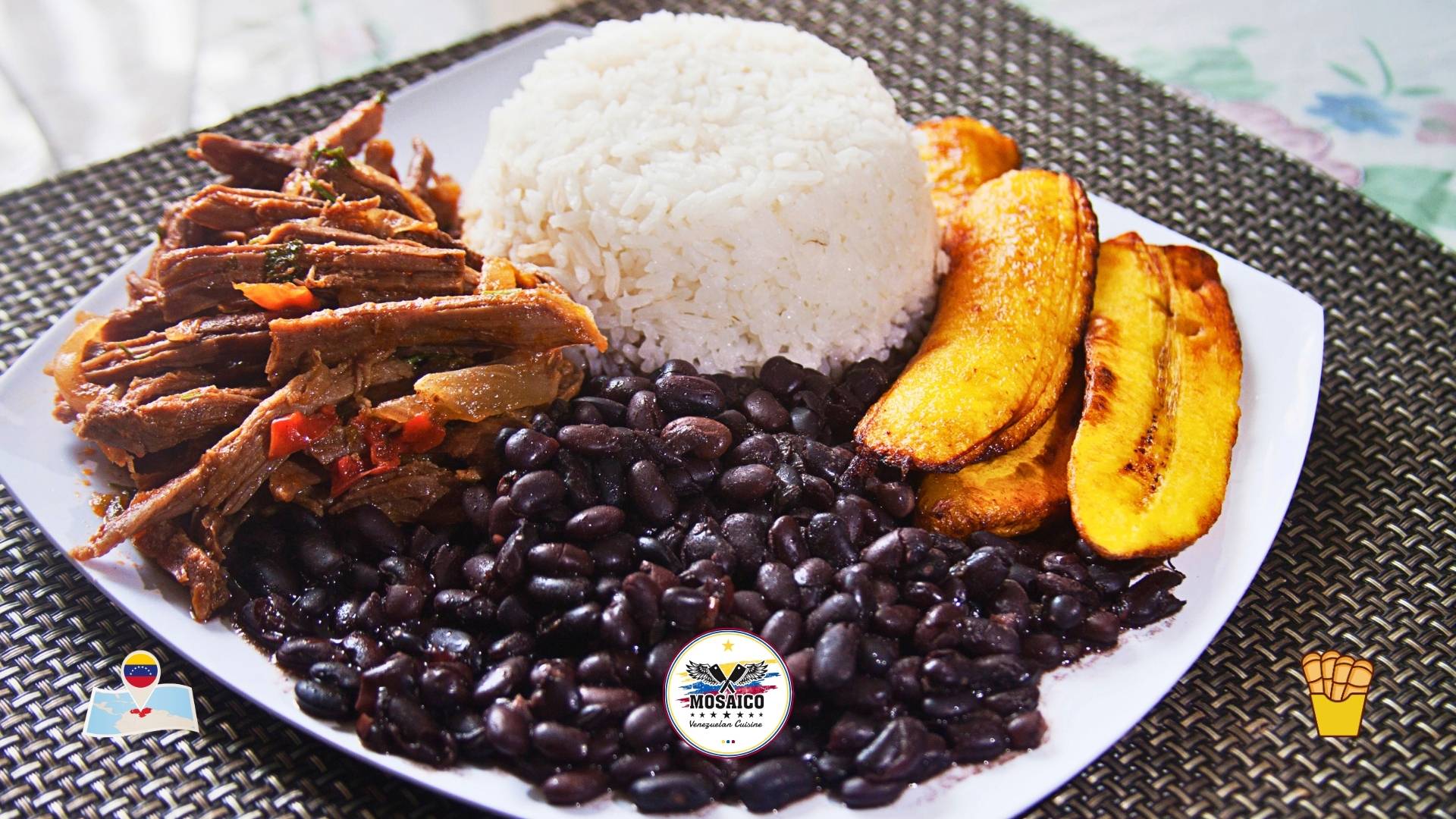
Known for its flavor and tradition, the pabellón criollo has established itself as a pillar of Venezuelan culinary identity. This dish is not only a delight for the palate, but also a representation of the country's history and culture.
Origin and Variants of the Creole Pavilion
The pabellón criollo has its roots in the Spanish colonial era, when African, Spanish, and indigenous ingredients and cooking methods began to merge. Over time, this dish has taken on various forms, such as pabellón a caballo , which includes a fried egg on top and is widely enjoyed throughout the country.
Ingredients and Preparation
The authenticity of the pabellón criollo is reflected in its traditional preparation. The shredded beef is cooked slowly until it falls apart, while the white rice and black beans are cooked to perfection, sweetly complementing the fried plantains served on the side.
| Ingredients | Description | Music |
|---|---|---|
| Meatloaf | Shredded beef | Cooked over low heat and seasoned with Venezuelan spices |
| White rice | Simple and fluffy base | Cooked until smooth |
| Black Beans | Young black beans | Prepared with sautéed onion and sweet chili |
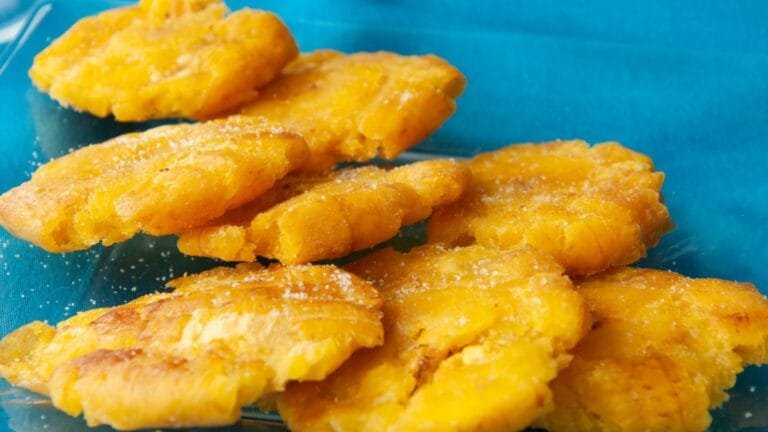
| Fried bananas | Sweet slices of ripe banana | Fried until caramelized and golden |
To enjoy this exquisite dish, each element must be cooked separately and then brought together on the plate, creating a harmony of flavors that is deeply emblematic of Venezuelan gastronomy.
-
Product on offer
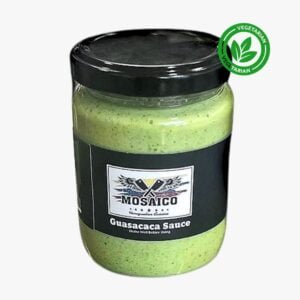
 Venezuelan Guasacaca Sauce, Green Sauce, 8 OZ – Salsas MosaicoThe original price was: $21.00.$16.96The current price is: $16.96.
 -
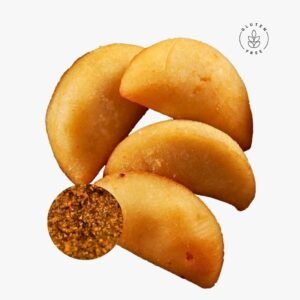
Product on offerFrozen Mini Venezuelan Ground Beef Empanadas (Box 48 Units)The original price was: $95.00.$78.25The current price is: $78.25.
-
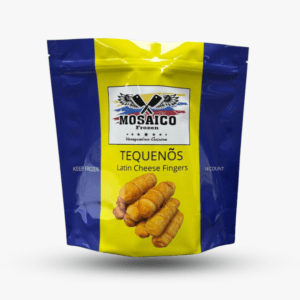
Product on offerFrozen Venezuelan Tequeños, Latin Cheese Fingers (28 units)The original price was: $62.00.$44.50The current price is: $44.50.
The Arepa: Versatility and Tradition on the Table
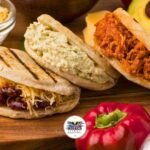
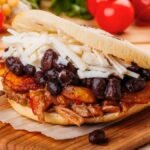
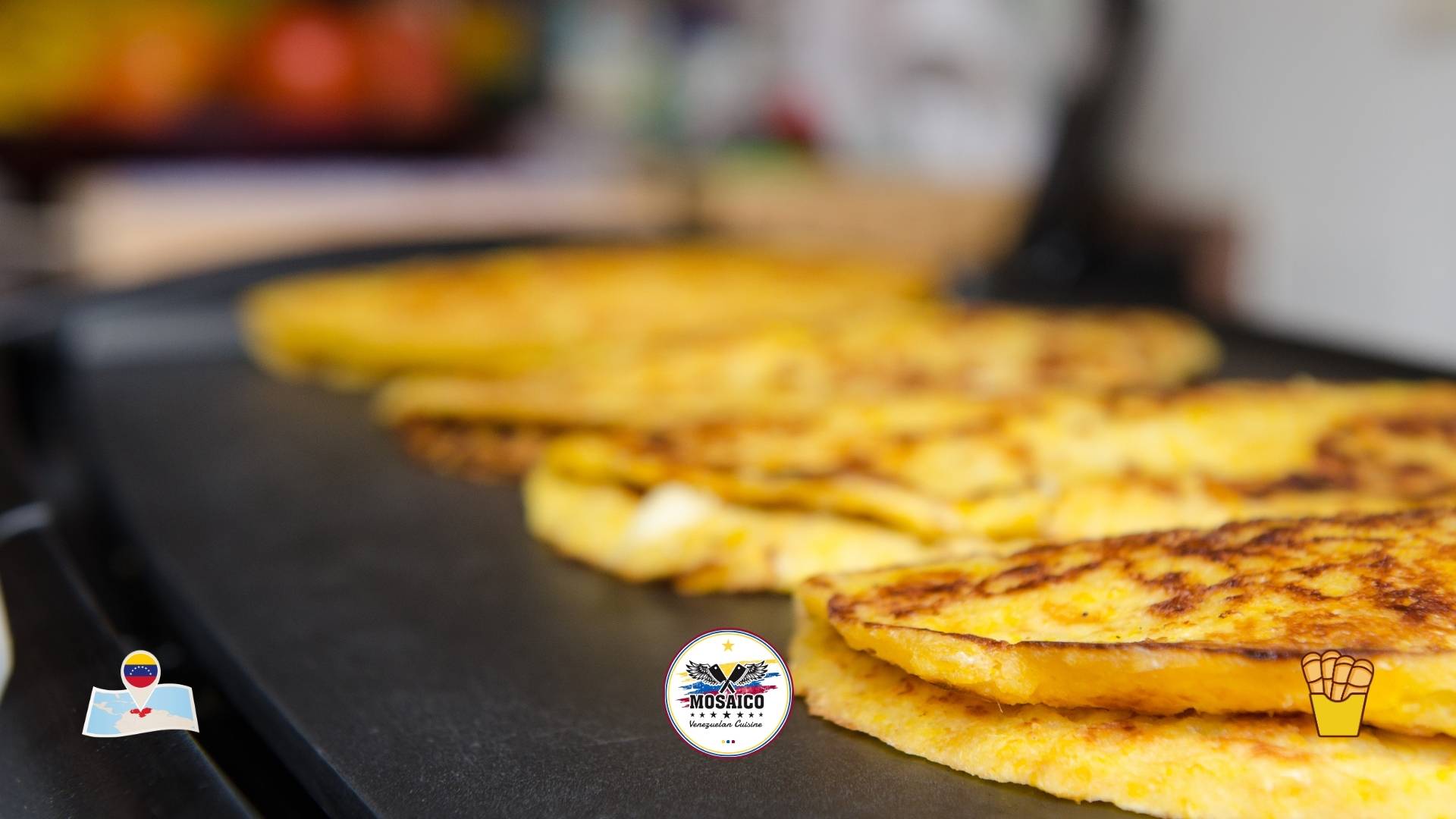
Venezuelan arepas represent one of the greatest sources of pride in traditional Venezuelan cuisine . This dish, with its origins and heart in Venezuelan homes, has won over palates with its simplicity and richness. Each arepa tells a story through its corn dough, which is shaped, cooked, and filled with ingredients that reflect the diversity of the country.
An icon of the adaptability and survival of Venezuelan culture, the arepa serves not only as sustenance, but also as a gastronomic canvas for ingenuity and creativity. Below, the variety and richness of arepas throughout the Venezuelan territory is highlighted:
- Chicharrón arepas, crunchy and with an intense flavor.
- Arepas stuffed with Creole pavilion, mixing the tradition of two dishes in one.
- “Pelúa” arepas, with its combination of melted yellow cheese and shredded meat.
- “Domino” arepas, with the favorable simplicity of beans and cheese.
Furthermore, their presence at breakfast, lunch or dinner shows that arepas are the true companion of any Venezuelan table.
«The arepa is not just food; "It is an expression of the Venezuelan identity that accompanies us in every step of our lives, in moments of reunion and new adventures abroad."
Denoting the union between past and present, arepas are a testimony of the living history of a country, and a promise of permanence in global food culture.
Las Hallacas: A Dish with History at Every Christmas
Venezuelan cuisine holds culinary treasures that have transcended generations, and among them, the Venezuelan Hallaca shines brightly— a delicacy that graces tables during the December festivities. More than just a dish, Hallacas are an edible chronology that tells a story of cultural and familial confluence, an essential part of Venezuelan Christmas.
Origin and Symbolism of the Hallacas
Hallacas are a delicacy that encapsulates Venezuela's history in every bite. They originated from the creativity and ingenuity of the colonial period, when servants used the leftovers from the lords' banquets to create a dish that is now an icon of Christmas cuisine. Thus, dishes steeped in history take on meaning, combining beef, pork, and chicken with garnishes like olives, raisins, and capers, all wrapped in a delicate corn dough and cooked in plantain leaves.
Steps and Secrets for its Preparation
There are numerous secrets that accompany the preparation of this dish, from the selection of ingredients to the sacred act of wrapping the hallacas, a ritual that is usually carried out as a family. The recipe requires precision and care, fundamentals that are passed down from generation to generation ensuring the authenticity of this very special dish.
To better understand its complexity, here we present the essential steps that must be followed to achieve hallacas that pay tribute to this beautiful tradition.
- Prepare a fragrant stew rich in flavors, where each family prints its personal stamp.
- Knead the corn and form the bases to receive the stew, always looking for that perfect texture.
- Arrange the meat and decorative ingredients in harmonious layers, where the diversity of the filling shines.
- Wrap carefully in banana leaves, an art that preserves flavors and aromas.
- Cooking in boiling water, a process that anticipates the reconciliation between the components and turns them into a unique delicacy.
Finally, the hallacas are enjoyed as a communal and festive act, rooted in the depths of the Venezuelan being, a reflection of the essence of a country.
| Element | Contribution in the Hallaca | Symbolism |
|---|---|---|
| Stew | Heart of flavor | Union of cultures |
| Mass | Fundamental structure | Base of Creole cuisine |
| Filling | Variety and color | Festivity and joy |
| banana leaf | Protective wrap | Tradition and nature |
History of Venezuelan Cuisine
The history of Venezuelan cuisine tells a saga of transformations that reflect the country's diversity and cultural richness. From its origins, it has been nourished by influences that shaped the identity of its flavors, a trajectory that can be categorized into different stages relevant to understanding its gastronomic evolution in Venezuela.
The narrative begins with the culinary practices of indigenous peoples, who used native products as an essential part of their diet. The arrival of the Spanish conquistadors brought components such as rice and wheat, fusing with local ingredients and giving birth to new dishes.
Later, African influence added to this melting pot of flavors with techniques and ingredients that further enriched the national cuisine. The remarkable contribution of Italian, Portuguese, and Middle Eastern immigration during the 19th and 20th centuries incorporated elements that have brought fame and recognition to modern Venezuelan gastronomy.
The following table clearly illustrates the phases of this rich history of Venezuelan cuisine and its correlation with the country's cultural evolution.
| Time | Influence | Typical Ingredients | Emblematic Dishes |
|---|---|---|---|
| Pre-Columbian | Indigenous | Corn, Cassava, Cocoa | Arepa, Casabe, Chocolate |
| Colonial | Spanish and African | Rice, Wheat, Beef | Creole Pavilion, Hallaca |
| 19th and 20th centuries | European and Mediterranean | Pasta, Olives, Cheeses | Pasticho, Dogfish in marinade |
| Contemporary | Global | Miscellaneous | Mergers and New Trends |
In conclusion, the history of Venezuelan cuisine is a mirror of its people: mixed, varied, and always in motion.
"Each dish in our gastronomy tells a story of syncretism and passion," reiterate chefs and scholars such as Carlos García and Nelson Méndez, who have dedicated their lives to studying and disseminating the gastronomic evolution in Venezuela.
Native Ingredients in Traditional Cuisine
The lush Venezuelan land, teeming with biodiversity, is the cradle of a wide array of ingredients typical of Venezuelan cuisine , forming the basis for dishes that awaken the authentic Venezuelan flavor . The identity of each region is reflected in the use of these products in its diverse recipes, creating a spectrum of flavors that captivate locals and visitors alike.
Endemic Products and Their Contribution to Flavor
Venezuelan geography has blessed the country with a rich variety of endemic products that are essential in local gastronomy. From the coast to the Andes, passing through the Amazon, each ingredient tells a story and provides unique characteristics to the palate.
Herbs and Spices: Sweet Chili and Other Aromatics
Herbs and spices occupy a special place in Venezuelan kitchens. Among them, sweet chili stands out, not only for its vital presence in the stir-fry, but also for its contribution to the characteristic aroma and flavor of traditional dishes. The mixture of sweetness and mild spiciness of the sweet chili is simply irreplaceable and defines the authenticity of the Venezuelan taste.
| Ingredients | Use in the kitchen | Region |
|---|---|---|
| Yucca | Base for soups and contours, ingredient for casabe | The whole country |
| Banana | Sweet and fried as accompaniments | Coastal Region |
| Corn | Main for arepas and cachapas | Andean region |
| Sweet pepper | Essential in stir-fries, sauces and stews. | The whole country |
| Coriander | Popular in stews and as an aromatic decoration | Eastern Coast and Caracas |
Venezuelan Cocoa: From Bean to World Fame
Venezuelan cacao is celebrated worldwide as an essential component in the creation of fine and gourmet chocolates. With a flavor profile distinguished by its complex taste and unparalleled quality, cacao from this South American country has achieved impressive international recognition . This variety is highly prized by chocolatiers and consumers around the globe and stands at the pinnacle of excellence when it comes to ingredients for luxury chocolates.
The unique climatic conditions and rich biodiversity of Venezuela provide an ideal terroir for the cultivation of cocoa, generating a raw material that attracts the palate with notes of iodized salt and a perfect balance of acidity that enhances the aromatic profile of chocolate.
Venezuela's main cacao-producing regions , such as Chuao, Porcelana, and Carenero Superior, are renowned in the chocolate industry, and bars bearing their origin are synonymous with the highest quality. These regions have made Venezuela a prestigious brand, guaranteeing an extraordinary sensory experience.
| Region | Flavor Profile | Mutual recognition |
|---|---|---|
| wow | Fruity, with notes of red fruits and a nutty finish | Controlled designation of origin |
| Porcelain | Smooth and creamy, with a delicate balance | Extremely rare and valued |
| Upper Carenero | Intense and complex, with a distinctive smoky touch | Highly appreciated in the European market |
Its exclusivity and exquisite flavor have made Venezuelan cacao a favorite in international chocolate competitions, where it has won numerous awards. The unparalleled quality of this cacao underscores the importance of preserving the traditional and organic farming practices that have been the cornerstone of its production for centuries.
Venezuelan cocoa is not only a jewel of gastronomy, but also an ambassador of Venezuela's culture and natural wealth.
Icons of Culinary Evolution in Venezuela
Innovation and respect for tradition have paved the way for progress in Venezuelan gastronomy. Sumito Estévez , as one of Venezuela's most prominent chefs , has been a pillar in promoting native flavors, positioning Venezuela on the world culinary map.
Sumito Estévez and his Gastronomic Influence
With a career that combines creativity and passion, Sumito Estévez has elevated Venezuelan cuisine to a level of international recognition. His ability to tell stories through flavors has inspired a new generation of Venezuelan chefs , contributing to a movement that rescues and elevates the country's traditional cuisine.
From Casabe to Cachapas: Evolution of Dishes
Venezuelan cuisine is a narrative of transformations where each dish tells a chapter. From the ancient indigenous people with their casabe , to the modern restaurants that now serve Venezuelan cachapas , each recipe reflects Venezuela's adaptable spirit. Culinary evolution is not just about the ingredients, but also about the ingenuity with which they are combined to delight a modern palate without losing the essence of the past.
| Traditional dish | Description | Key Ingredients |
|---|---|---|
| Casabe | Crispy cassava bread | Yucca |
| arepas | Stuffed corn tortillas | Corn flour, water, salt |
| cachapas | Corn pancakes with cheese | Young corn, hand cheese |
| Creole Pavilion | The classic national dish | Shredded meat, rice, beans, banana |
The Importance of Gastronomy in Venezuelan Identity
Venezuelan culinary culture goes far beyond simple recipes or ingredients; it is a profound manifestation of a country's cultural identity , expressed in every bite. By tasting the diverse dishes, one can appreciate the history and cultural fusion that define the essence of Venezuela.
Gastronomy as a Cultural and Social Reflection
Traditional Venezuelan food tells an epic of influences and legacies, it is the mirror in which the customs, memory and spirit of its people are reflected. Gastronomy becomes a universal language where each dish shares a story, from pre-Columbian times to the present, shaping the idiosyncrasy of the nation.
Venezuelan Food Abroad
With the phenomenon of migration, Venezuelan flavors have crossed borders, carrying pieces of their homeland to the most remote corners of the planet. Undoubtedly, Venezuelan cuisine has gained special international relevance, serving as a cultural bridge and a meeting point for the community scattered around the world.
| Typical Venezuelan Dish | Description | International presence |
|---|---|---|
| arepas | Corn tortilla, fillable with proteins or various accompaniments | Widely offered in America and Europe |
| Creole Pavilion | Shredded meat, white rice, black beans and bananas | Popular in Latin American food restaurants |
| Tequeños | Cheese sticks wrapped in fried wheat dough | Become an essential appetizer in various cultures |
Thus, Venezuelan gastronomy stands as one of the fundamental pillars for understanding the diversity and cultural richness of Venezuela, sharing with the whole world the warmth and flavor of a land that, despite the distance, remains present in every dish served.
Great Dishes of Venezuelan Cuisine
Venezuelan cuisine is a feast of flavors and textures that tell the story of the country's rich history and cultural diversity. Among traditional Venezuelan dishes , some stand out for their unique character and significance, weaving together the memories and palates of its people.
Asado negro , for example, is a delicacy that combines meat bathed in a dark caramel sauce with a touch of wine. Its flavor is rich and mellow, and it's a genuine representation of the country's culinary sophistication. On the other hand, pabellón criollo celebrates the essence of Venezuela with its harmonious combination of rice, black beans, shredded beef, and fried plantains, offering a balanced dish that unites the tastes of diverse regions. Also among the favorites is the cachapa , a simple yet sublime dish made with sweet corn and typically served with queso de mano (a type of Venezuelan cheese) that melts gloriously in the heat of its fluffy base.
| Plateau | Main components | Origin |
|---|---|---|
| roasted Black | Beef, red wine, paper | Creole gastronomy |
| Creole Pavilion | Rice, beans, shredded meat, bananas | Traditional Venezuelan cuisine |
| cachapa | Corn cobs, hand cheese | Venezuelan indigenous cuisine |
These dishes are not only a showcase of Venezuelan culinary talent, but also bearers of a legacy that spans generations. Venezuelan gastronomy continues to enchant those who discover it, making it a valuable and delicious heritage that deserves international recognition and celebration.
International Influences on the Flavors of Venezuela
The rich tapestry of Venezuelan gastronomy has been woven over the years with threads from diverse origins. International influence on Venezuelan cuisine is palpable both in culinary methods and in the unique ingredients that have been integrated into its traditional dishes, resulting in a fusion of aromas and flavors that delight both national and international palates.
From pastas and pizzas that reflect Italian heritage to meat preparation techniques that echo Spanish cuisine, Venezuela has embraced and adapted the culinary traditions of immigrants, enriching its own repertoire. The use of spices brought by the Arabs or desserts made with almonds and unrefined cane sugar are concrete examples of how foreign flavors have become an integral part of contemporary Venezuelan cuisine.
| Influence | Flavor or Ingredient | Venezuelan Dish Example |
|---|---|---|
| Spanish | Olives and capers | The Hallacas |
| Italian | Pasta and Parmesan Cheese | Creole Lasagna |
| Arab | Spices like cumin and cinnamon | Tropical Shawarma |
| Portuguesa | Chorizo and Cod | Venezuelan Style Green Broth |
This synergy of cultures has turned Venezuelan cuisine into a true symbol of hospitality and openness to new gastronomic experiences. Through this union of traditions, each dish tells a story of encounters between world cuisines and the warmth of Venezuelan homes.
Typical Venezuelan Desserts: A Sweet Journey through History
Venezuelan desserts offer a glimpse into the customs and emotions of its people. Each sweet treat tells a story and reflects the rich cultural fusion that has shaped the nation's identity. From the colonial-era bienmesabe to the home-style quesillo , these desserts provide the perfect ending to any meal, forming an integral part of Venezuelan celebrations and everyday cuisine.
Bienmesabe, Quesillo and other Heritage Desserts
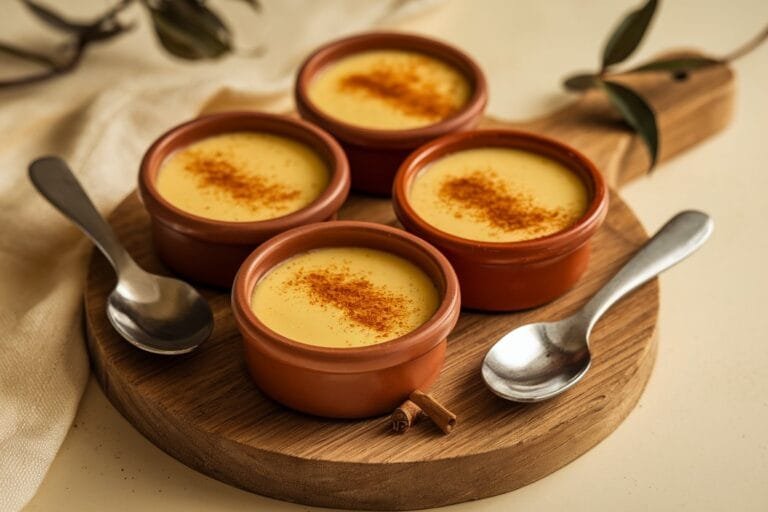
Bienmesabe , with its layers of sponge cake soaked in coconut cream, and quesillo , the Venezuelan version of flan with caramel, are desserts that have been passed down through generations. Their preparation remains an expression of family tradition at special events and cozy gatherings throughout the country.
The Black Cake: Essential Dish in Celebrations
Among the delights of Venezuelan pastry, the Venezuelan black cake stands out, especially during the Christmas season. With a flavor that embraces European heritage, this dessert combines the aromas of Creole cuisine with international tastes, and its preparation involves nuts and liqueurs that delight those who try it.
Below, we present a comparison table that highlights the main characteristics of our emblematic desserts.
| Dessert | Key Ingredients | Traditional Occasion |
|---|---|---|
| bienmesabe | Coconut, eggs, sugar, sponge cake | Parties, family gatherings |
| Quesillo | Condensed milk, eggs, caramel | Birthday, Sunday dessert |
| Black Pie | Macerated fruits, rum, spices | Christmas, celebrations |
These Venezuelan desserts not only delight the palate, but also, with every bite, tell us a part of our cultural identity. Number 15 on our journey through Venezuela's treasure trove of flavors leads us to appreciate and continue sharing these delicacies with the rest of the world.
Black Asado and Other Treasures of Venezuelan Meat
Venezuelan asado negro is one of Venezuela's most iconic culinary expressions. This dish, which blends the tenderness of a good cut of meat with the unique flavor of a red wine marinade and dark sugar caramel, represents the essence of the country's meat dishes . Below, we explore its characteristics and how it has become a classic of Venezuelan gastronomy.
- Unique Marinade: The black roast involves a marinating process that impregnates the meat with deep aromas and flavors, highlighting the quality of the selected cut.
- Perfect candy: Creating the caramel that covers the meat is a critical step that gives black roast its characteristic color and a touch of sweetness, balancing the flavors.
- Long cooking: The preparation requires slow and long cooking, ensuring that the meat is succulent and that the flavors are fully integrated.
Besides asado negro, the selection of meat dishes in Venezuela is wide and varied, including options such as carne en vara, pabellón criollo and churrascos, each with its own distinctive characteristics, but all sharing the quality and seasoning that defines Venezuelan cuisine.
«The black roast personifies the tradition of Creole cuisine, where the symphony of local ingredients merges with inherited techniques, giving rise to dishes that touch the heart and palate of those who taste them.»
-
Product on offerVenezuelan Guasacaca Sauce, Green Sauce, 8 OZ – Salsas MosaicoThe original price was: $21.00.$16.96The current price is: $16.96.
-
Product on offerFrozen Mini Venezuelan Ground Beef Empanadas (Box 48 Units)The original price was: $95.00.$78.25The current price is: $78.25.
-
Product on offerFrozen Venezuelan Tequeños, Latin Cheese Fingers (28 units)The original price was: $62.00.$44.50The current price is: $44.50.
Conclusion
The history of Venezuelan cuisine is a tapestry of flavors, aromas, and colors that intertwine to tell the epic story of a people. This culinary heritage, a reflection of the nation's diversity and richness, has captured the essence of Indigenous, African, and European influences in its recipes, masterfully blending traditions with new trends that have enriched its palate.
From pabellón criollo to arepas, each dish is a narrative of flavors and traditions that have transcended Venezuelan borders to become global ambassadors of its culture. We witness how Venezuelan cuisine not only nourishes the body but also feeds the spirit, strengthening national identity and leaving an indelible mark on the hearts of those who taste it.
In the variety of its dishes, in the richness of its ingredients and in the passion of its cooks, Venezuelan cuisine represents an invaluable legacy that continues to evolve and surprise palates inside and outside its borders. It is a living testimony that invites you to explore, taste and celebrate it as one of the most authentic expressions of Venezuela.
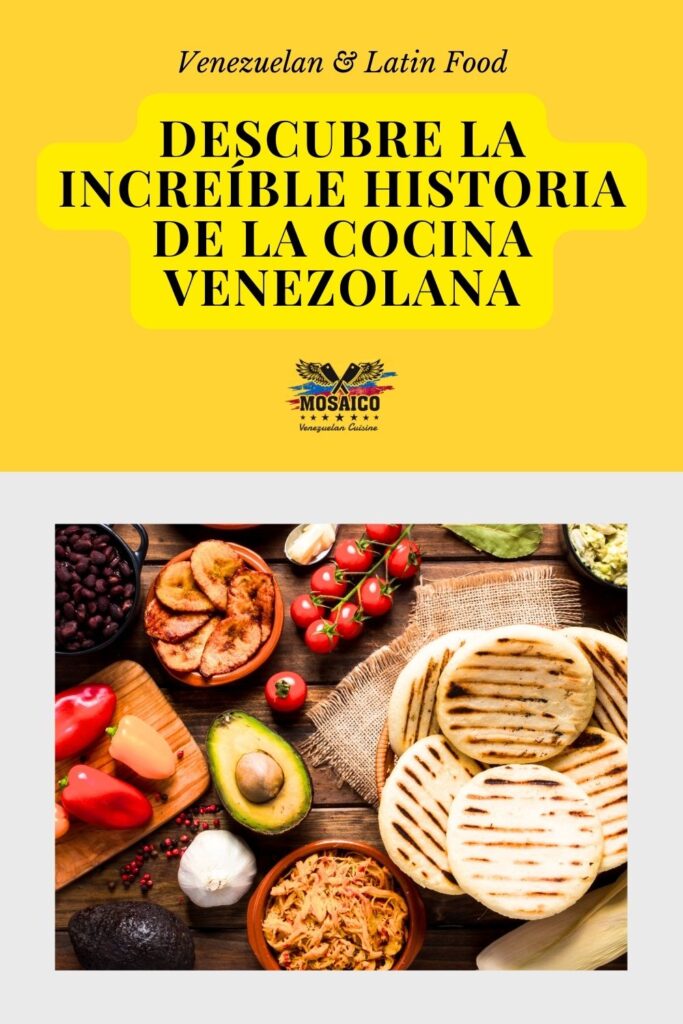
The history of Venezuelan gastronomy is rich and multifaceted, reflecting the country's sociocultural transformations over the years. Each dish, from the traditional arepa to the most elaborate stews, represents a chapter in the story of a people and their culinary development. Venezuelan gastronomy's history is told in kitchens throughout the country, where creativity and tradition merge to give life to unique flavors. It is in this context that the modern Venezuelan arepa , with its innovative and varied fillings, stands as a symbol of the country's ability to reinvent itself while maintaining its roots.
When we delve into the origins of Venezuelan gastronomy , we encounter a narrative that begins in pre-Columbian times and spans centuries of Indigenous, African, and European influences. This culinary journey has shaped Venezuelan cuisine today, where each ingredient carries a story and each recipe is a testament to national identity. Thus, sitting down to a meal in Venezuela is not just about enjoying food, but also about participating in a ritual that celebrates the culture and history of a country through its exquisite and diverse gastronomy.
Importance of Venezuelan gastronomy
Venezuelan cuisine is a fundamental pillar in the construction of the country's cultural identity. It is not merely an amalgamation of flavors and recipes; it is a living narrative that speaks of Venezuela's history, traditions, and natural wealth. Each dish reflects the diversity of its regions and the ingenuity of its people, who have skillfully combined native ingredients with external influences to create a cuisine unique in the world.
The importance of Venezuelan cuisine transcends mere palate satisfaction. It is a means of preserving and transmitting ancestral heritage , keeping alive the traditions passed down from generation to generation. At the same time, it is a symbol of unity and celebration, as Venezuelans gather around the table to share not only food, but also stories, joys, and challenges, thus strengthening community bonds.
Furthermore, Venezuelan cuisine has become an instrument of culinary diplomacy, promoting cultural exchange internationally. With the Venezuelan diaspora, dishes like the arepa and the hallaca have crossed borders, introducing the world to a rich and vibrant culture and paving the way for understanding and appreciating Venezuela's cultural diversity.
From an economic perspective, Venezuelan gastronomy plays a crucial role in local development. By valuing native products and promoting culinary tourism, it fosters sustainability and supports the growth of small and medium-sized producers. This cuisine is, therefore, an engine that can drive the national economy, generating employment and wealth.
Ultimately, the flavor of Venezuelan cuisine is a testament to resilience and adaptability. Despite political and economic challenges, Venezuelans have found in their gastronomy a form of expression and national pride . By keeping their cuisine alive, they not only safeguard an invaluable intangible heritage, but also nourish the hope and spirit of a people who celebrate their identity through every shared dish.
Venezuelan gourmet dishes
The sophistication of Venezuelan gastronomy is evident in its gourmet dishes, where the creativity of chefs blends seamlessly with the richness of local ingredients. A prime example is the Lobster with Rum and Mango Sauce , an exquisite dish that combines the sweet, tropical flavor of mango with the sophistication of aged rum, creating a visually and gustatorily delightful experience that elevates Venezuelan seafood cuisine to haute cuisine.
Chupe Andino represents the fusion of traditional cuisine and haute cuisine, where the humble soup of the Venezuelan Andes is transformed into a gourmet dish through the use of select ingredients such as artisanal goat cheese and a careful cooking technique that intensifies its flavors. This modern reinterpretation is a tribute to the versatility and depth of flavors from the Andean region.
Among Venezuelan gourmet dishes, Asado Negro en su Jugo holds a special place. The selection of prime cuts of meat, marinated in traditional spices and slowly cooked until it reaches a dazzling texture, elevates it to the status of a culinary masterpiece. The key to this dish lies in the chef's patience and precision, achieving a perfect balance between the sweetness and intensity that characterize this emblematic Venezuelan stew.
On the other hand, the Pre-Columbian Loin is a prime example of how Venezuelan haute cuisine pays tribute to its origins. Using contemporary techniques, this dish fuses finely sliced loin with native ingredients such as yucca and sweet peppers, enhanced by a presentation worthy of the most discerning palates. It is a clear example of how Venezuelan cuisine celebrates its history while simultaneously reinventing itself and establishing its place on the international gourmet scene.
Finally, the innovative Coconut Crab Chalupa is a dish that awakens the senses with its combination of seafood flavors and exotic touches. The crab meat, enveloped in a delicate coconut sauce and accompanied by plantain chips, represents the skill of Venezuelan chefs in creating unique gastronomic experiences that blend the best of the coast with influences from modern cuisine.
20 indigenous Venezuelan foods
Venezuelan indigenous cuisine is a gastronomic treasure passed down through generations. The arepa , for example, is an ancestral dish that has stood the test of time. Originating from indigenous communities, this corn tortilla has become a symbol of Venezuelan identity. Its versatility allows it to be enjoyed at any time of day, either plain or filled with a variety of ingredients.
Another example of indigenous influence on Venezuelan cuisine is casabe . This flatbread made from cassava is one of the oldest and most representative foods, and has been a staple food for numerous Venezuelan indigenous groups. Its preparation, which involves peeling, chopping, and drying the cassava before cooking it on a griddle, is a technique that has been preserved over the centuries.
Sancocho , although it has undergone variations and been enriched by influences from other cultures, has its roots in the thick soup prepared by the indigenous people with fish, roots , and local tubers. This humble yet nutritious dish reflects the indigenous wisdom in the use of available resources, offering a comforting meal that has adapted to modern tastes without losing its essence.
In the coastal and river regions of Venezuela, fish wrapped in bijao leaves is an indigenous dish renowned for its cooking method, which preserves all the fish's juices and flavors. This method, also used for cooking meats and other foods, is a sustainable practice that reflects the deep respect of the indigenous peoples for nature.
Finally, chicha de jora is a fermented beverage made from germinated corn that Venezuelan indigenous people have consumed for millennia. This energizing drink, served at celebrations and community gatherings, is not only a component of the traditional diet but also a cultural element that strengthens social cohesion and the continuity of traditions.