
We're embarking on a unique adventure, where every bite tells an ancient story. When we talk about Venezuelan traditional sweets , we remember our childhood. Our grandmothers would share their recipes for these sweets , and we, excited, would wait to taste those flavors intertwined with stories. These desserts are more than just food; they are a connection between our past and the present of Venezuela's delicious culinary tradition.
Content
Our mission is to keep these special recipes alive. We want future generations to be able to enjoy these traditional Venezuelan sweets . Let the sweet aroma of papelón, the unique flavor of shredded coconut, and the creaminess of homemade flan continue to tell the stories of Venezuela—stories of a nation whose heart still beats strong in every kitchen.
Key points
- Discovery of the charm and history behind the Venezuelan Creole sweets.
- Preservation of authentic recipes, a treasure of the Venezuelan culinary tradition.
- Recognition of the Venezuelan desserts as an essential part of culture.
- Valuation of the richness of flavors and stories that surround each Creole sweet.
- Inspiration to continue the tradition of Creole sweets for future generations.
The history of Venezuelan Creole sweets
The history of Venezuelan Creole sweets is a journey through time. It shows us how European and African influences have shaped the country's gastronomy. This blend of cultures has created unique flavors that are an important part of Venezuela's heritage.
Cultural origins and European and African influence
Traditional Venezuelan sweets have their roots in the colonial era. It was then that convents and families began experimenting with European ingredients. African influence is also key, evident in the use of coconut and special cooking techniques.
Indigenous ingredients: The basis of Creole pastries
Native ingredients such as papaya, corn and paper are essential for these sweets. They provide unique identity and flavor to each recipe. This mix of European, African and native gives life to a sweet story. A story that continues to be told with every sweet we try.
-
Product on offer
 Garlic Sauce, 8 OZ – Mosaic SaucesThe original price was: $21.00.$16.96The current price is: $16.96.
 -
Product on offerFrozen Mini Venezuelan Ground Beef Empanadas (Box 48 Units)The original price was: $95.00.$78.25The current price is: $78.25.
-
Product on offerFrozen Mini Venezuelan Cheese Empanadas (Box 48 Units)The original price was: $95.00.$78.25The current price is: $78.25.
Star ingredients in the preparation of Creole sweets
Venezuelan pastries are known for their richness and variety. We want to show you the essential ingredients of traditional sweets in our kitchens. They make every bite something special.
Unrefined cane sugar (papelón ) is central to our desserts. Coconut is also essential , with a flavor that evokes the Caribbean coast. And corn , so vital to our cuisine, is used to create delicious treats.
Our land provides us with many tropical fruits . With their freshness and natural sweetness, they become essential ingredients in traditional Venezuelan sweets . They give each bite a unique character.
| Ingredients | Use in Venezuelan pastries | Benefits |
|---|---|---|
| paper | Base of honeydew and preserves | It provides a unique color and flavor, in addition to being more natural |
| Coco | Preparation of sweets, cakes and drinks | Texture and tropical freshness in each sweet |
| Corn | Base for majaretes and sweet cachapas | Versatility and tradition on the Venezuelan table |
| Tropical fruits | Diversity in jellies, jams and juices | Vitamins and a burst of natural flavor |
As you can see, Venezuelan pastries showcase the best of our country. The ingredients in our traditional sweets reflect our history and passion for cooking. We encourage you to discover them and taste the flavor of Venezuela in every bite.
How to make Creole sweets?: Techniques and secrets
Embarking on an adventure into Venezuelan pastry is like opening a door to a fascinating world. It's a place brimming with unique flavors and rich traditions. For those curious about how to prepare Venezuelan sweets , we have good news. We not only bring you recipes, but we also share Venezuelan pastry techniques and secrets of traditional confectionery . These will help you impress your loved ones.
The first step is knowing how to choose the ingredients. Creole sweets are distinguished by flavors that come from things like paper, spices, and fresh fruits. Using the best quality ingredients is key to authentic flavor.
- seamless texture: Each sweet has its right cooking point. For example, for marshmallow it is key to manage the heat and mixing time to achieve that sticky texture that we like so much.
- Precise cooking: Quesillos require cooking in a bain-marie that must be carefully cared for, to prevent air bubbles from forming and achieve that soft and even consistency.
- Traditional decorations: Let's not forget that presentation is essential. The use of grated paper, fresh coconut or typical fruits as toppings can transform a simple dessert into a work of Creole art.
Sharing these sweets revives family memories and creates new ones. The secret of traditional Venezuelan sweets lies in the flavors and the stories each bite evokes.
Venezuelan Creole Sweets
Let's dive into the sweet world of Venezuelan baking, where the aromas of sweet Venezuelan criollos take us to the Caribbean country filled with rich culinary traditions. Today, we're highlighting three treats that everyone loves. These sweets reflect Venezuela's identity in the dessert scene.
Golfeados: the irresistible spiral of flavor
The golfeados are sweet rolls that win over your taste buds with their sticky panela and unique anise flavor. They often eat with a slice of white cheese that perfectly adds to their taste. This makes them one of the most loved typical Venezuelan desserts . You'll usually see them at family gatherings, stealing the spotlight.
Quesillo: the Venezuelan version of flan
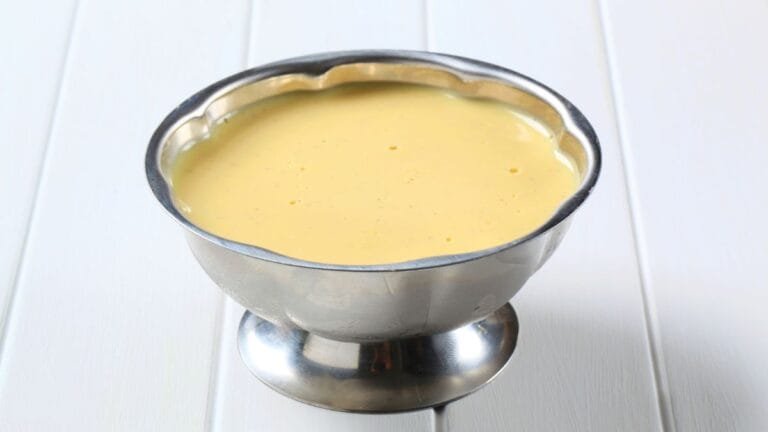
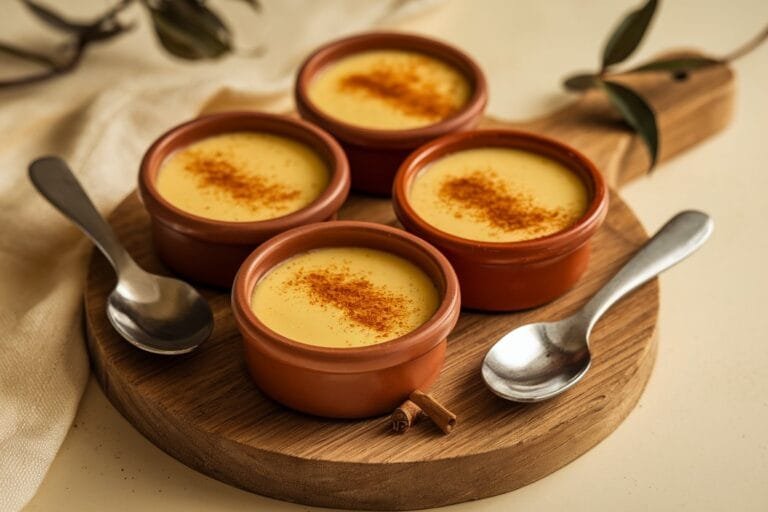
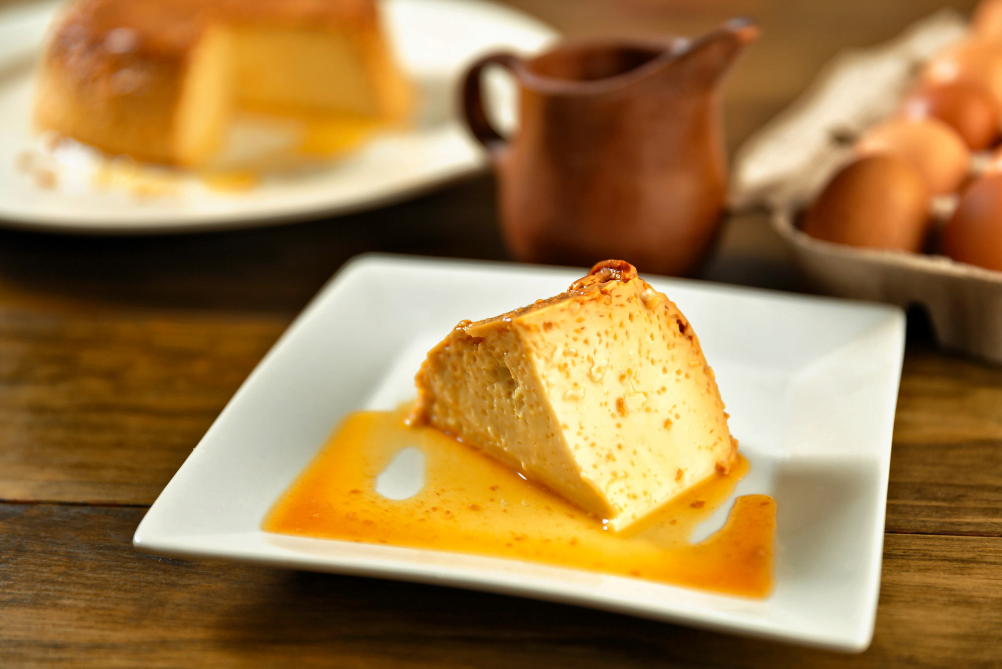
The quesillo is like flan but has its own twist, blending milk, eggs, and caramel lovingly cooked on Venezuelan stoves. Unlike its more common cousin, quesillo is known for its distinctive holes. It's a favorite for those who love creamy and sweet tastes.
Consort of flavors: The variety of bienmesabes
Our sweet journey ends with the bienmesabes , named after the reaction they get: “Bien me saber!” This dessert layers sponge cake with coconut cream for a soft texture and exquisite taste. Every bite pays tribute to age-old recipes. It shows how Venezuelan Creole sweets mix native ingredients into a unique pastry celebration.
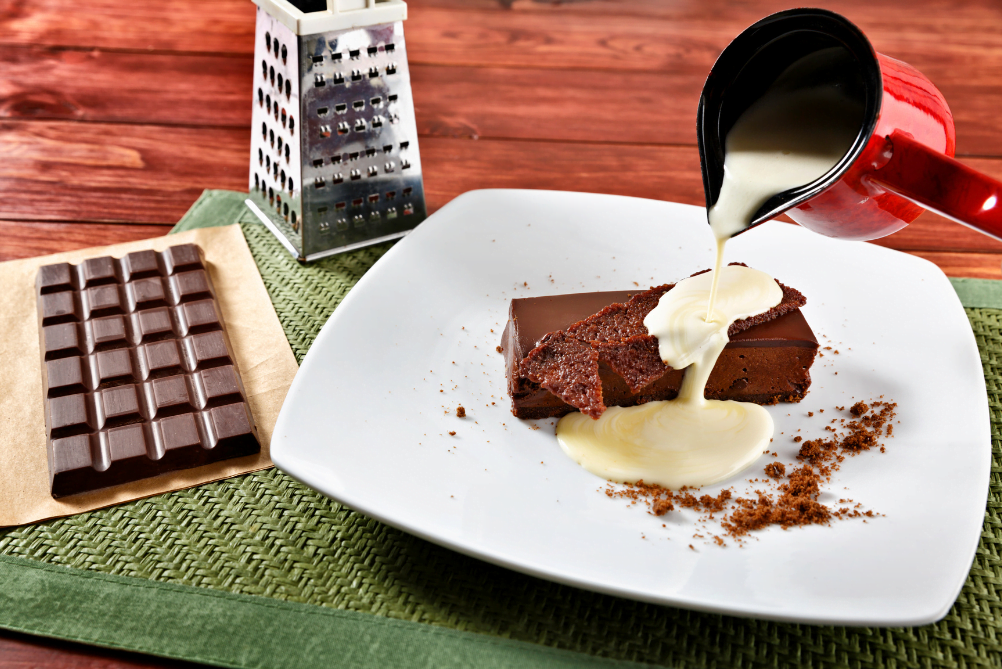
The best recipes for Venezuelan Creole sweets
Exploring traditional Venezuelan desserts is like stepping into a world of unique flavors. Here, culture and a deep love for Venezuelan Creole cuisine come together. We create desserts that delight everyone, from the most discerning palates to those who simply appreciate authentic Venezuelan fare.
Tradition in the kitchen: recipes and preparations
Our Venezuelan traditional sweets recipes come from our ancestors and keep our heritage alive. Each recipe transforms your home into a festive celebration of our culinary heritage. The key is to use fresh ingredients and follow steps carefully refined over years.
Fusion of flavors: Desserts that tell stories
The magic of traditional Venezuelan desserts lies in their blend of flavors. Each bite tells a story of the union of cultures and ancient traditions. They are more than just recipes; they are delicious stories that deserve to be told, whether on special occasions or every day.
| Sweet Creole | Main ingredients | Preparation time |
|---|---|---|
| Rice pudding | Rice, milk, sugar, cinnamon | 45 minutes |
| bienmesabe | Grated coconut, egg yolks, sweet wine | 1 hour |
| majarete | Corn flour, coconut milk, sugar, cinnamon | 35 minutes |
Typical Venezuelan sweets: A journey through Creole gastronomy
Exploring traditional Venezuelan pastries is like embarking on a sensory adventure. It reveals the sweet and colorful traditions of its culture. Typical Venezuelan sweets are more than just desserts. They represent stories, childhood memories, and are a source of national pride.
Venezuelan Creole desserts reflect the country's diversity, featuring flavors from the coast, mountains, and jungle. They are the result of centuries of blending ingredients and traditions, creating a unique Venezuelan pastry tradition.
Each dessert has its own unique identity and flavor. Quesillo , for example, is soft and comes with caramel sauce. Golfeados , anise-flavored rolls, and papelón (unrefined cane sugar) are always served with fresh white cheese. These flavors capture the heart and linger in our memories.
- Lechoza Sweet
- catalinas
- majarete
- Rice with coconut
- Cachapas with Hand Cheese
Sweets are not just another dish, they are an experience. They bring families together and sweeten the festivities.
| Sweet | Main ingredients | Origin |
|---|---|---|
| bienmesabe | Coconut, almonds, meringue | Venezuelan coast |
| Merey nougat | Merey, sugar, egg white | Colonial |
| Mango Jelly | Mango, sugar, lemon | Paradise |
| Retains coconut | Coconut, paper, spices | Coastal |
We celebrate the richness of our traditional Venezuelan sweets . They are true treasures of our Creole cuisine. We share them with pride because they are essential to our national identity. These sweets, full of sweetness and tradition, are what keep our culinary roots alive.
Venezuelan desserts that conquer palates
Venezuelan desserts tell a story of flavors and traditions that delights all who taste them. They range from simple recipes to the most complex. Each of these Venezuelan sweets evokes happy and festive moments. They are typical Venezuelan desserts, essential to any celebration.
Venezuelan black cake is a unique blend of spices and fruits. It's the life of the party. But our sweet cuisine shines every day. For example, papelón con limón ( a drink made with unrefined cane sugar and lemon ) is perfect for cooling down anytime.
Rice pudding takes us back to our grandmothers' kitchens. Its flavor is comforting. As for tequeños , although they aren't desserts, they're usually filled with something sweet. They become an irresistible treat after any meal.
We love sharing the flavors of Venezuela. That's why we invite you to try these incredible Venezuelan desserts . They are culinary gems that showcase our passion for sweetness. They reflect the richness of a culture that celebrates every moment with sweetness.
The tradition of Creole sweets in the Venezuelan home
In our homes, the tradition of Venezuelan sweets is passed down from generation to generation. Thus, every family gathering and celebration is filled with sweetness. At birthdays, weddings, or patron saint festivals, Venezuelan sweets are essential to family celebrations . They are made with love and dedication, reflecting the Venezuelan spirit.
The role of baking in family celebrations
Our pastries are central to every important event. They strengthen our family bonds and unite us through our cultural heritage. It's not just about enjoying a dessert; it's also about remembering and honoring the teachings of our ancestors. With every bite of traditional Venezuelan sweets , we keep our history alive.
Sweets of yesteryear: Memories and nostalgia
Old recipes take us back to the happiest times. It's not just cooking instructions; They are a bridge to the past. Preparing and savoring Creole sweets means reliving beloved memories. Thus, with each sweet, we feed the nostalgia of beautiful times.
Majarete and other sweets with corn flour: A renewed classic
We've discovered that Venezuelan majarete is much more than a dessert. It's a cultural heritage passed down through generations. This creamy delight, made with sweet cornmeal , maintains its essence while adapting to modern tastes and culinary techniques.
To achieve a perfect majarete, the blend of local ingredients is crucial. Patience is also necessary during its preparation. When making majarete recipes , it's important to focus on the quality of the corn, fresh shredded coconut, sugar, cinnamon, and nutmeg.
Ingredients and techniques for a perfect majarete
Starting with the best selection of chopped corn is essential for a traditional and modern majarete. This must be finely ground. Thus, when mixed with coconut milk and other ingredients, it creates a smooth and rich texture.
Regional variations: Each state with its special touch
Majarete is enjoyed throughout the country, but each region gives it its own unique twist. In our search for regional variations of Venezuelan sweets , we saw that some states add rum. This intensifies its flavor. Others include local fruits for an exotic touch.
Thus, majarete and other sweets made with corn flour showcase the diversity and richness of our cuisine. We strive to preserve our culinary heritage. At the same time, we embrace the new ideas that each generation brings. This gives them a special place in our traditional and modern desserts.
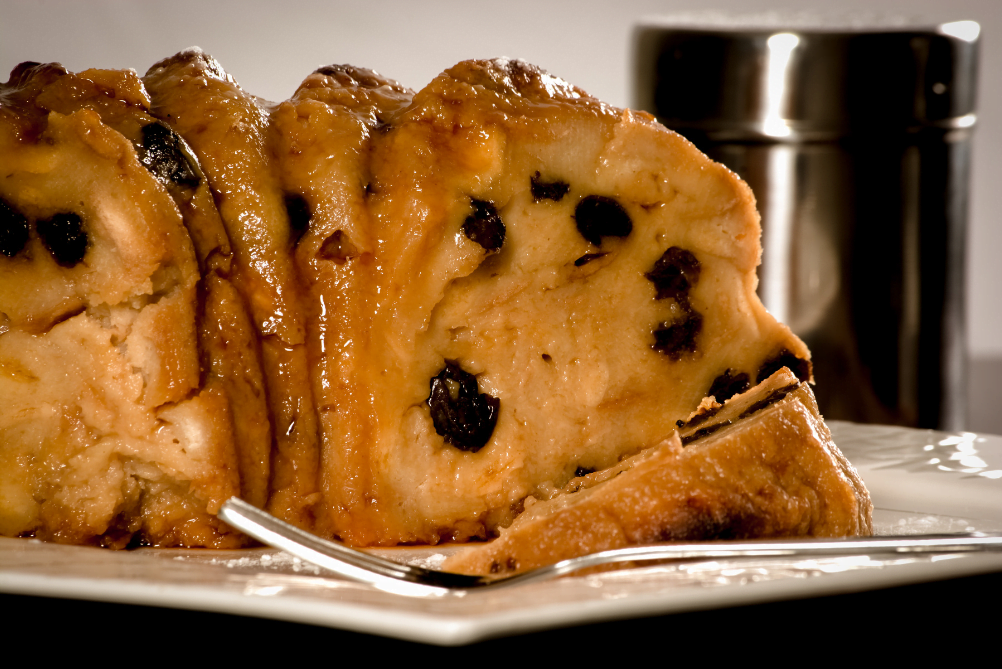
Venezuelan delicacies: From Dulce de Lechosa to Tres Leches
Exploring Venezuelan delicacies is like stepping into a special world. Here, tradition and flavor come together perfectly. The papaya candy , with its freshness and sweetness, takes us on a flavorful journey. Then, the tres leches cake surprises us with its creaminess. Each bite tells a special story of Venezuela.
Traditional Venezuelan desserts , like these, do more than just delight our palates. They also keep alive the essence of the flavors that represent us. Let's discover what makes these desserts so important at our tables and celebrations.
| Milky Sweet | Tres Leches dessert |
|---|---|
| Prepared with green papaya | Combination of three types of milk |
| Sweetened with paper or sugar | Fluffy dipped sponge cake |
| Enriched with spices such as cloves and cinnamon | Topped with soft meringue or chantilly cream |
| Perfect for preserving and sharing | Ideal to finish a special meal |
Our traditions come alive in every dish we prepare. When we talk about Venezuelan delicacies , we feel immense pride. With every papaya sweet and every slice of tres leches cake , we share more than just dessert. We share a piece of our heart and our history.
Traditional flavors: Preserving Creole authenticity
We pride ourselves on keeping traditional Venezuelan flavors alive . We do this through our authentic Creole cuisine . In a changing world, we adapt recipes without losing our essence.
Culinary innovation does n't make us forget our origins. It's a way to honor our roots. We adapt the techniques and presentations of authentic Creole cuisine to impress everyone.
Innovation maintaining the essence
Innovation in the kitchen blends the new with the old. By enhancing traditional Venezuelan flavors , we capture global attention. We use modern techniques to delight diners anywhere.
The relevance of traditional flavors in modern cuisine
Venezuelan flavors in modern cuisine connect with the world. We ensure that every bite tells our story. While we innovate, the roots of our cuisine remain strong.
Conclusion
Exploring Venezuelan traditional sweets has led us to more than just stories and techniques. We've felt the soul of a culture that celebrates the flavors of its land. From bienmesabe to quesillo , each bite tells stories of diverse influences.
Each portion and spiral tells us about indigenous, African and European roots. This celebration marks our journey through delicacies that tell rich stories.
Along this journey, we discovered a love for keeping Venezuelan pastry alive . We are committed to valuing and sharing this rich culinary heritage. In this way, we ensure that the recipes are shared beyond our borders.
The variety of Creole desserts has the power to conquer hearts around the world. We bring unforgettable flavors, from majarete to tres leches.
Each sweet reminds us of the magic of Venezuela present in our ingredients and traditions. We join our voices to highlight the importance of these sweets in the world. This demonstrates the value of a rich and unique culture in every home.
-
Product on offerSpicy Guasacaca Sauce, 8 OZ – Salsas MosaicoThe original price was: $21.00.$16.96The current price is: $16.96.
-
Product on offerGarlic Sauce, 8 OZ – Mosaic SaucesThe original price was: $21.00.$16.96The current price is: $16.96.
-
Product on offerVenezuelan Guasacaca Sauce, Green Sauce, 8 OZ – Salsas MosaicoThe original price was: $21.00.$16.96The current price is: $16.96.
You may also like
Pastelitos Venezuelan Andean: High-Altitude Venezuelan Flavors
Venezuelan Mandocas: Sweet Zuliana Tradition Corn and Ripe Banana Recipe from Western Venezuela
Tequeños History and Authentic Recipes, Origin of this Delight of Venezuelan Flavor
Everything about Venezuelan Arepas, Origin, History, Versions and Curiosities: The Complete Guide
Discover the Key Ingredients of Venezuelan Cuisine, the Basis of the Flavor of Our Gastronomy
Frequently asked questions about Venezuelan Creole Sweets
We hope that you find this selection of questions super useful and interesting.
How can I prepare a traditional Venezuelan sweet with coconut?
To prepare a traditional Venezuelan sweet with coconut you can make cocadas, very popular and easy to make. You only need grated dry coconut, 1 cup of sugar, condensed milk and a little vanilla. All the ingredients are mixed and cooked over low heat until a homogeneous mixture is obtained. Then, the cocadas are formed on a tray and allowed to cool.
What is the recipe for an authentically Venezuelan guava sandwich?
Venezuelan guava snacks are simple to make. You need ripe red guava, brown sugar, water and the juice of half a lemon. Cook the guavas until soft, pass them through a strainer to obtain a fine puree and then cook with the paper and lemon until they thicken. Pour it into molds and let it cool until it reaches consistency.
How to make traditional banana sandwiches?
For traditional Venezuelan banana snacks, you will need ripe bananas (cambur), condensed milk, sugar, and cloves. Cook the peeled bananas with a little water, sugar and cloves. Once soft, they are ground and mixed with the condensed milk, then cooked over low heat until it comes off the pot. Finally, they are allowed to cool and cut into squares.
What ingredients are essential to prepare a Venezuelan black cake?
To prepare an authentic Venezuelan black cake you need wheat flour, butter or margarine, 1 cup of sugar, 5 eggs, candied fruits, walnuts, raisins macerated in rum, cocoa, cloves, brown sugar and liquid milk. These ingredients, combined with spices such as cloves and anise, result in a moist and richly flavored cake.
How are sweet anise arepitas made?
Sweet anise arepitas are made with precooked corn flour, anise grains, liquid milk, condensed milk, and a little salt. All the ingredients are mixed until they form a homogeneous dough, then small arepitas are formed and fried in hot oil until golden brown. They are perfect for breakfast or snack.
How is angel hair candy prepared?
The Venezuelan version of angel hair candy follows a process similar to that of other regions, but is characterized by its particular attention to the flavors and textures that stand out in Venezuelan gastronomy. It is often flavored with ingredients such as cinnamon, cloves and even orange peels, which gives it a distinctive touch. Here is a recipe adapted to the Venezuelan style:
Ingredients:
- 1 citron squash (about 1 kg)
- Sugar (the same amount by weight as the pulp obtained from the pumpkin)
- 1-2 cinnamon sticks
- 3-4 cloves
- The peel of 1 orange (optional, to add a citrus aroma)
- Water
Preparation:
- Clean the Pumpkin:
- Cut the citron squash into large pieces. Remove the seeds and any fibrous parts.
- Cook the Pumpkin:
- Place the pumpkin pieces in a large pot with water. Cook until tender, which usually takes about 30 minutes. After cooking, let them cool.
- Extract the "Hair":
- Once the squash is cool to the touch, use your hands or a fork to shred the squash flesh, forming thin strands that look like angel hairs.
- Measure and Mix with Sugar:
- Weigh the pulp obtained and use an equal amount of sugar. Mix the pulp with the sugar in a large pot.
- Aromatize:
- Add the cinnamon sticks, cloves, and, if desired, orange peel to the mixture.
- Cook the Mixture:
- Cook the mixture over medium-low heat, stirring constantly to prevent it from sticking. Continue cooking until the candy acquires a thick consistency and the color becomes darker and brighter. This may take approximately 1 hour or more, depending on the quantity.
- Package:
- Once the candy is ready, remove the spices and orange peels. You can package the hot candy in sterilized jars if you want to preserve it.
Venezuelan angel hair candy is excellent for filling cakes, empanadas, or simply enjoyed alone. Its combination of spicy and sweet flavors makes it a favorite in Venezuelan pastries. The Venezuelan version of angel hair candy follows a process similar to that of other regions, but is characterized by its particular attention to flavors and often , for the inclusion of additional spices that highlight the richness of this dessert. Here I leave you a version adapted to the Venezuelan style:
Ingredients:
- 1 citron squash (approximately 1 kg to obtain around 500 g of pulp)
- Sugar (same amount as the pulp obtained, for example, 500 g of sugar for 500 g of pulp)
- 1-2 cinnamon sticks
- 3-4 cloves (optional, to give a spicy touch)
- The peel of 1 lemon (avoiding the white part so as not to make the sweet bitter)
- Water (enough to cook the pumpkin)
Preparation:
- Pumpkin Cleaning:
- Cut the pumpkin into several large pieces and remove the seeds and fibrous parts. It is not necessary to peel the pumpkin.
- Pumpkin Cooking:
- Place the pumpkin pieces in a large pot and cover with water. Cook over medium heat until the squash is soft, which can take about 30-40 minutes.
- Angel Hair Preparation:
- Once cooked, remove the pumpkin from the water and let it cool. Then, separate the pulp from the skin and shred it with your hands or a fork to form thin strands that look like angel hair.
- Sugar Measurement:
- Weigh the pulp obtained and use the same amount of sugar.
- Cooking the Sweet:
- In a pot, mix the pumpkin pulp with the sugar, cinnamon sticks, cloves and lemon peel. Add a little water (just enough to help dissolve the sugar and prevent the mixture from sticking at first). Cook over low heat, stirring occasionally to prevent sticking.
- Cooking can last between 1 to 2 hours. You will know it is ready when the mixture turns a dark golden color and looks shiny.
- Completion and Conservation:
- Remove the spices and lemon peel. Angel hair candy can be kept in sterilized jars if you want to store them for a while.
This sweet can be enjoyed alone, as a filling for cakes and pastries, or as an accompaniment to fresh cheeses, offering a delicious contrast between the sweetness of the angel hair and the saltiness of the cheese. The incorporation of spices such as cinnamon and cloves adds a very special touch that stands out in the Venezuelan version of the sweet.
Recipe for a Venezuelan Creole rice pudding
To make a delicious Venezuelan rice pudding you will need white rice, cinnamon, cloves, 1 can of condensed milk, evaporated milk, vanilla and sugar to taste. Cook the rice with milk, cinnamon and cloves until soft; then add the condensed and evaporated milk, and let it cook over low heat until you get the desired consistency. Finally, add vanilla and sugar to taste.
How do you prepare a Venezuelan quesillo using lechesa or papaya?
The lechesa or papaya quesillo is a variant of the traditional Venezuelan quesillo. The main ingredients are eggs, condensed milk, evaporated milk, vanilla, and ripe papaya. All the ingredients are blended except the milky milk, which is added in pieces at the end. This is poured into a caramel mold and cooked in a bain-marie until firm. Let cool completely before unmolding.
What is needed to make a Creole pumpkin cake?
To prepare a Creole pumpkin cake, you will need cooked and pureed pumpkin, condensed milk, eggs, wheat flour, baking powder, margarine, and spices such as cinnamon and ground cloves. Mix the pumpkin with the condensed milk and eggs, then add the dry ingredients and spices. Bake until golden brown and firm to the touch.
-
Product on offerGarlic Sauce, 8 OZ – Mosaic SaucesThe original price was: $21.00.$16.96The current price is: $16.96.
-
Product on offerFrozen Mini Venezuelan Cheese Empanadas (Box 48 Units)The original price was: $95.00.$78.25The current price is: $78.25.
-
Product on offerFrozen Venezuelan Tequeños, Latin Cheese Fingers (28 units)The original price was: $62.00.$44.50The current price is: $44.50.
In Venezuela's rich gastronomy, the more than 20 traditional Venezuelan sweets represent an exquisite sample of the tradition and flavor that characterize this Caribbean country. Each of these sweets is a masterpiece of pastry making, and learning their recipes is a gateway to celebrating the nation's culture. These 20 recipes for traditional Venezuelan sweets not only provide a sensory journey through the authentic flavors of Venezuela but also offer an opportunity to recreate the magic of these desserts anywhere in the world.
One of the most sought-after recipes, especially as celebrations approach, is how to make mini quesillos for parties . These little treats are perfect for sharing and exemplify how Venezuelan cuisine adapts to different occasions, maintaining the essence of its flavors in innovative presentations. The versatility of traditional Venezuelan sweets is such that there's always an ideal recipe for every special moment, from an intimate family gathering to the biggest festive event.
Venezuelan marshmallow
Venezuelan melcocha is a traditional sweet that has been passed down from generation to generation, becoming a symbol of the country's artisanal confectionery. This treat is characterized by its sticky texture and intense flavor of papelón, also known as panela, which is one of its main ingredients along with sugar and lime.
Its preparation is a true art that requires patience and skill, since the exact cooking point and constant kneading are crucial to achieving the ideal consistency. The melcocha is worked by hand, stretching and folding it repeatedly, a process that gives it that characteristic chewy texture so beloved by Venezuelan palates.
Besides its delicious flavor, melcocha holds a special place at parties and family gatherings, where it's commonly found on the dessert table. Children, in particular, are drawn to its shiny appearance and sweet taste , and it 's usually presented in long or twisted shapes that invite them to enjoy it.
At local fairs and markets, it's common to see artisans offering fresh melcocha, demonstrating their skill in making this sweet treat live. This spectacle not only entertains onlookers but also allows them to appreciate the artisanal process that makes Venezuelan melcocha a true treasure of the country's cuisine.
Venezuelan Catalinas origin
Venezuelan catalinas are one of the most iconic and beloved sweets in the Caribbean country. It is believed that their origin dates back to the colonial era, when Spanish influence began to blend with local ingredients and indigenous traditions. These dark-colored cookies, with their soft texture and slightly crisp exterior, represent the cultural and gastronomic fusion of Venezuela.
Made primarily with panela (unrefined cane sugar), wheat flour, and spices like cloves and cinnamon, catalinas are known for their intense flavor and distinctive aroma. These ingredients not only contribute a rich array of flavors but also reflect the abundance of local products that have defined Venezuelan cuisine throughout the centuries.
Traditionally, catalinas are enjoyed during the Christmas season, but their popularity has transcended any time of year. They are the perfect accompaniment to coffee or tea at traditional Venezuelan afternoon snacks , and are often a staple on the tables of Venezuelan homes, where homemade recipes passed down through generations are cherished.
Besides being a traditional holiday treat, catalinas hold sentimental value for many Venezuelans. They are synonymous with family gatherings and shared moments . Each bite brings back childhood memories and the expert hands of grandmothers and mothers who lovingly and carefully prepared them.
Internationally, Venezuelan catalinas have begun to gain recognition, establishing themselves as an icon of Venezuelan sweet gastronomy . Their unique flavor and rich history of traditions make them an example of the culinary heritage that this country has to offer the world.
Past merey sweet
Dulce de merey pasado is a jewel of Venezuelan pastry that embodies the delicious fusion of native flavors and techniques inherited from generations. This traditional dessert is made with cashew nuts, the seeds found in the fruit of the cashew tree, which is very common in the tropical regions of the country. Its preparation involves a slow cooking process that concentrates the flavors and creates a unique texture that delights the palate.
To begin preparation, ripe cashews are selected and allowed to overripen until their pulp softens. This step is crucial, as it defines the natural sweetness and sticky texture of the candy. The softened pulp is then cooked with sugar and spices such as cinnamon and cloves, which impart a characteristic aroma and flavor.
A distinctive characteristic of aged cashew candy is its caramelized, dark appearance, a result of the slow caramelization of the sugar along with the cashew's natural juices. During cooking, it's important to stir constantly to prevent it from sticking to the bottom of the pan and to ensure a smooth, even consistency.
This sweet treat is prized not only for its flavor but also for its versatility. It can be enjoyed on its own, as a filling for tarts and cakes, or even as an accompaniment to cheeses, offering an exquisite contrast between sweet and savory. Dried cashew fruit preserves are a testament to how local ingredients can be transformed into sophisticated desserts steeped in history.
In Venezuelan cuisine, dulce de merey pasado (dried cashew nut candy) is an expression of the country's culinary creativity and richness. Its intense flavor and sticky texture make it a favorite during festivities and family gatherings, where the tradition and authentic taste of Venezuelan sweets are celebrated.
Among the diverse flavors offered by Venezuelan cuisine, Andean sweets stand out for their richness and authenticity. These treats, made with local ingredients and techniques passed down through generations, are a tangible example of the culinary tradition and ingenuity of the country's Andean region. However, they are not the only ones that capture the essence of Venezuelan confectionery, as throughout Venezuela, traditional sweets form an integral part of the gastronomic culture.
The recipes for these sweets are treasures shared with pride and joy in every home. These traditional Venezuelan sweets are passed down from grandparents to grandchildren, keeping alive the flavors that have defined the country's culinary identity. One of these emblematic recipes is that of quesillo, a dessert that has won the hearts of Venezuelans and whose history is as rich as its flavor.
The history of Venezuelan quesillo is intertwined with the origins of quesillo itself , which date back to the colonial era, when Spanish ingredients and techniques merged with local flavors. This combination gave rise to a unique dessert that today is synonymous with celebration and tradition. Venezuelan quesillo, with its characteristic smooth texture and dimples, is an example of how Venezuelan traditional sweets have preserved their heritage through time.