
Venezuelan cuisine is a feast of flavors and techniques that have evolved over the years. From traditional recipes to modern innovations, Venezuelan culinary techniques are at the heart of a rich and diverse gastronomy.
Let's explore these techniques and discover how they bring to life the most emblematic dishes of Venezuela.
Traditional Techniques
Traditional techniques are the foundation of Venezuelan cuisine . These ancestral practices have been passed down from generation to generation, preserving the authentic flavor of Venezuela.
Slow Cooking
Slow cooking is essential for dishes such as asado negro and hallacas. This technique allows flavors to develop slowly, creating rich and complex dishes.


Frying
Frying is crucial for many Venezuelan snacks. Tequeños and empanadas owe their irresistible crispy texture to this technique.
Boiled
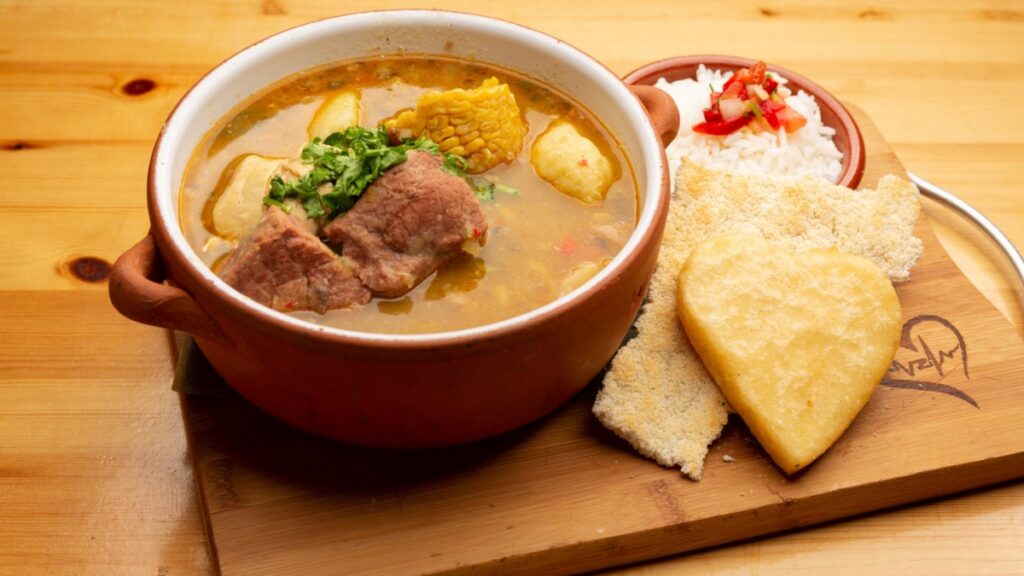
Boiling is the technique behind comforting soups like sancocho and fish soup. This technique extracts the flavors of the ingredients, creating flavorful and nutritious broths.
Modern Techniques
Venezuelan cuisine has not been left behind in innovation. Modern techniques have made it possible to fuse traditional flavors with contemporary presentations.
Fusion of Flavors
Venezuelan chefs are experimenting with the fusion of traditional flavors and international techniques, creating unique dishes that respect tradition while embracing innovation.
Modern Equipment
The use of modern kitchen equipment has made it possible to adapt traditional recipes for faster and more efficient preparation, without sacrificing flavor.
Cooking methods
Traditional: Boiled, roasted, fried
Modern: Sous vide, slow cooking, molecular gastronomy
Ingredients
Traditional: Corn flour, ripe banana, black beans
Modern: Quinoa, yellow pepper, avocado
Cooking Times
Traditional: 30-60 minutes
Modern: 10-30 minutes
Equipment
Traditional: Pots and pans, wood ovens
Modern: Sous vide machines, induction hobs
Key Ingredients and Their Preparation
The key ingredients of Venezuelan cuisine are fundamental to achieving authentic flavors. Each ingredient has its own specific preparation technique.
Cornmeal
Corn flour is the base of arepas and hallacas. The technique for working this flour is crucial to achieving the perfect texture in these iconic dishes.
Ripe banana
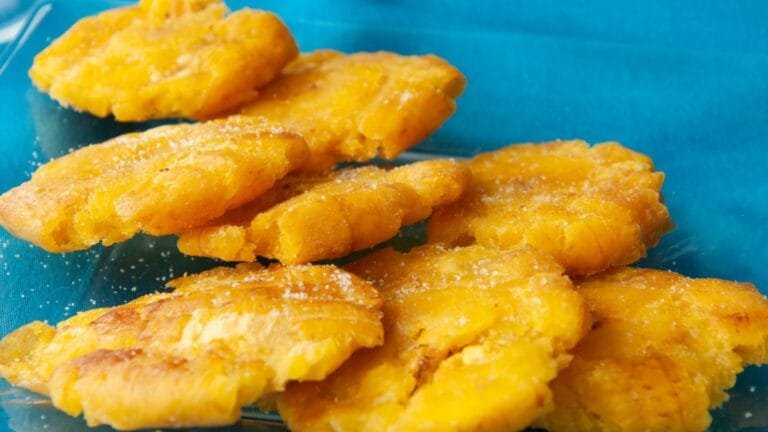
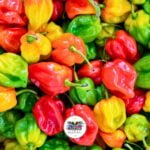
Ripe banana is used in sweet and savory dishes. The frying technique for the slices or the cooking for the bald buns requires skill and precision.
Black Beans
Black beans, essential in the Creole pavilion, require slow and careful cooking to achieve the ideal texture and flavor.


Emblematic Dishes and Their Techniques
Some Venezuelan dishes require specific techniques that make them unique. Let's look at some examples:
Creole Pavilion
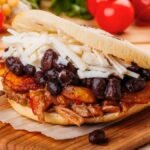
The Creole pavilion combines several techniques: slow cooking of beans, frying shredded meat and banana, and cooking rice. Each component requires its own technique to achieve the perfect balance of flavors.
Tequeños
The technique for making perfect tequeños lies in the preparation of the dough and the filling. The dough should be thin and crispy, while the cheese should melt without running.
arepas
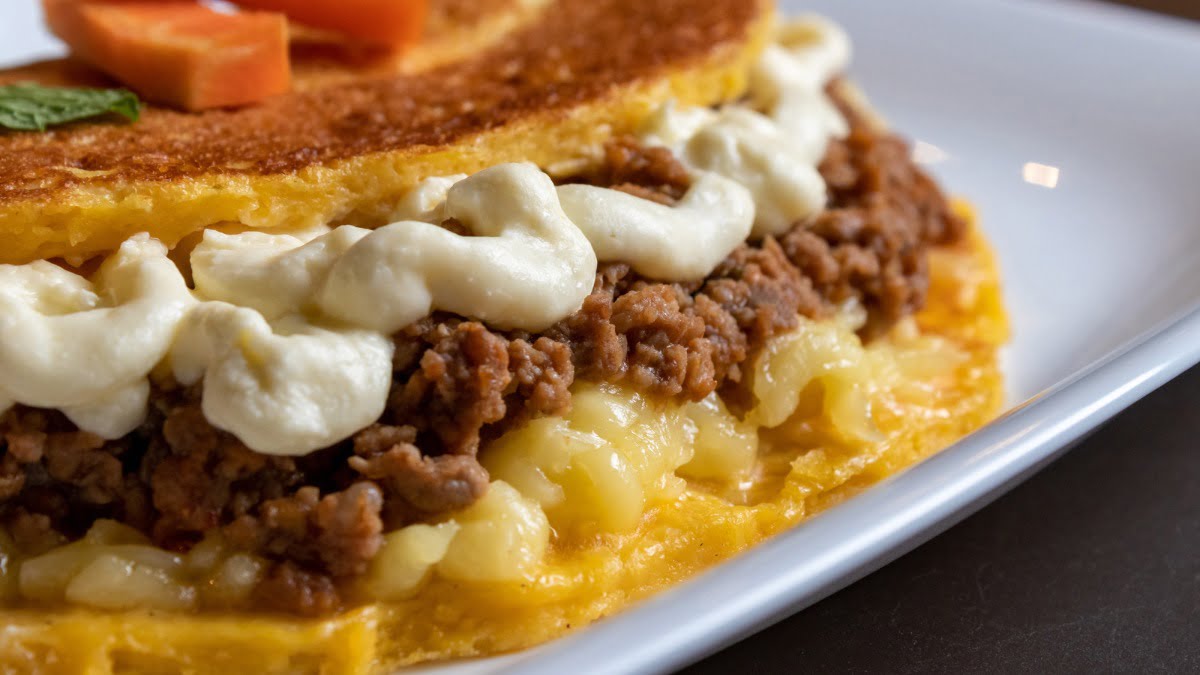
The art of properly grilling arepas is essential. The technique consists of achieving a golden and crispy crust while the interior remains soft and cooked.
Popularity of Venezuelan Dishes
Venezuelan Cuisine in the Modern World
Venezuelan cuisine has adapted to the demands of the modern world, maintaining its essence and authentic flavors.
Fast food
Traditional techniques have been adapted for fast cooking, allowing you to enjoy Venezuelan flavors in less time.
Frozen products
Wholesale frozen tequeños and empanadas have made Venezuelan food more accessible worldwide. These options maintain the authentic flavor with modern convenience.

Preservation of Authentic Flavors
Despite the Venezuelan diaspora, traditional culinary techniques remain alive, preserving the authentic flavors of Venezuela around the world.
Conclusion
Venezuelan cooking techniques are a cultural treasure that combines tradition and innovation. From slow cooking a black roast to quickly preparing frozen tequeños, each technique plays a vital role in creating the flavors that define Venezuelan cuisine. Whether you're cooking at home or enjoying Venezuelan products abroad, these techniques ensure that every bite is an authentic and delicious experience.
Explore more about Venezuelan cuisine , discover traditional Venezuelan recipes , and immerse yourself in the rich culture