
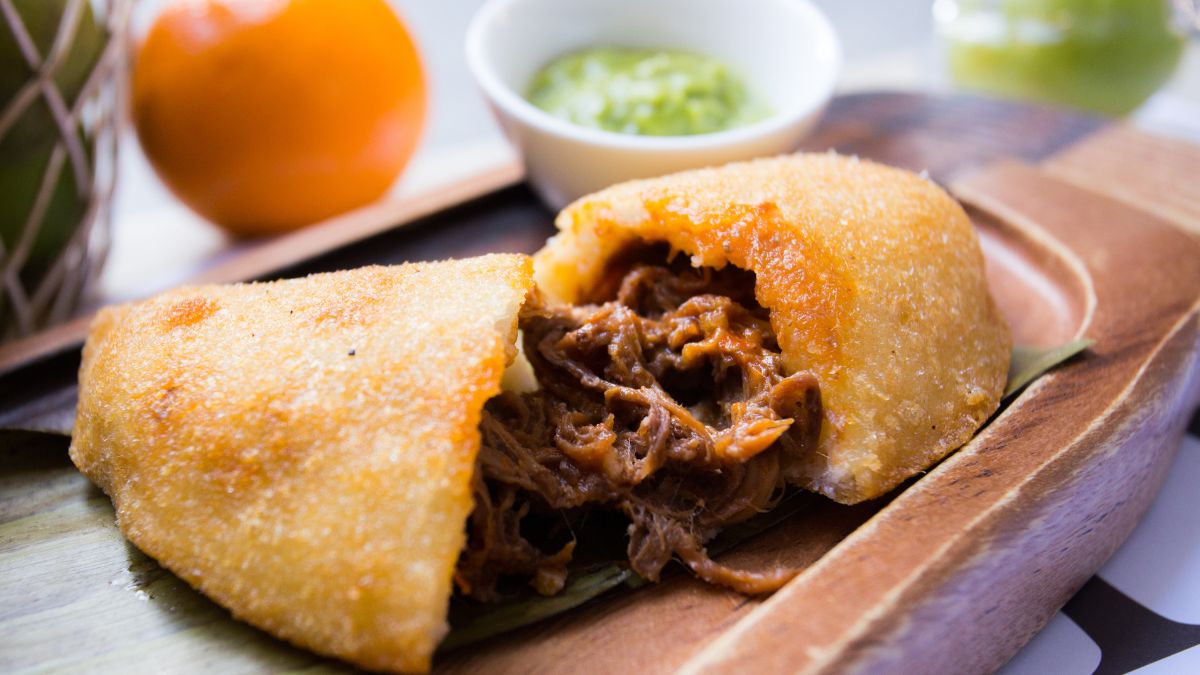
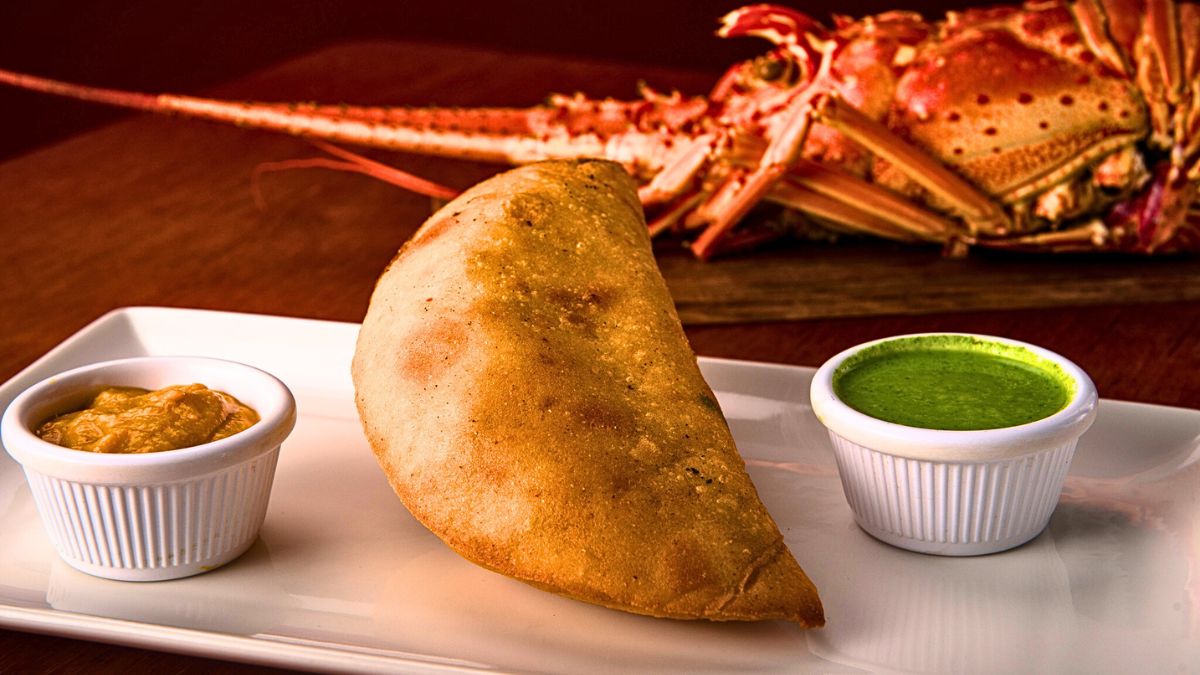
Venezuelan empanadas, with their irresistible aroma and flavor, are much more than a simple appetizer. They represent a culinary journey that spans centuries of history, cultural fusion and gastronomic tradition.
In this article, we will explore the rich history of this delicacy that has conquered palates in Venezuela and beyond its borders.
Venezuelan Cooking Techniques: Tradition and Flavor in Every Dish
-
Product on offer
 Frozen Mini Venezuelan Dogfish Empanadas (2 Bags of 12 Units)The original price was: $56.00.$45.90The current price is: $45.90.
 -
Product on offerFrozen Mini Venezuelan Ground Beef Empanadas (2 Bags of 12 Units)The original price was: $56.00.$45.90The current price is: $45.90.
-
Product on offerFrozen Mini Venezuelan Ham and Cheese Empanadas (2 Bags of 12 Units)The original price was: $56.00.$45.90The current price is: $45.90.


Your Orders for Frozen Products and Sauces Mosaico Frozen do Free shipping within United States.
FROZEN MOSAIC – TEQUEÑOS NEAR YOU IN THE UNITED STATES
Ancestral Origins: The Birth of a Tradition
The history of Venezuelan empanadas dates back to pre-Columbian times. The indigenous peoples of the region already prepared foods wrapped in corn dough, a technique that would lay the foundations for what we know today as an empanada.
With the arrival of the Spanish in the 15th century, an unprecedented gastronomic exchange took place. The colonizers brought with them the European tradition of filled pies, which was fused with local techniques and ingredients. This mixture gave rise to the Venezuelan empanada that we know today.
Regional Evolution: A Map of Flavors
As the empanada became popular in Venezuela, each region began to contribute its distinctive touch:
- Andean region: It incorporated the use of potatoes and smoked cheese in its fillings.
- The plains: It stood out for its beef and pork empanadas.
- Nibujon: He popularized dogfish (small shark) and shrimp empanadas.
- Central Region: Developed a variety of empanadas with innovative mixtures of ingredients.
This regional diversity enriched the tradition of empanadas, creating a true mosaic of flavors throughout the country.
The Empanada in Colonial Venezuela
During the colonial era, empanadas became a popular food among both the upper classes and the common people. The adaptation of European recipes with local ingredients such as corn, cassava and native meats gave rise to a variety of unique empanadas.
In the 18th and 19th centuries, empanadas were already an integral part of the Venezuelan diet, appearing at celebrations, markets and homes alike.
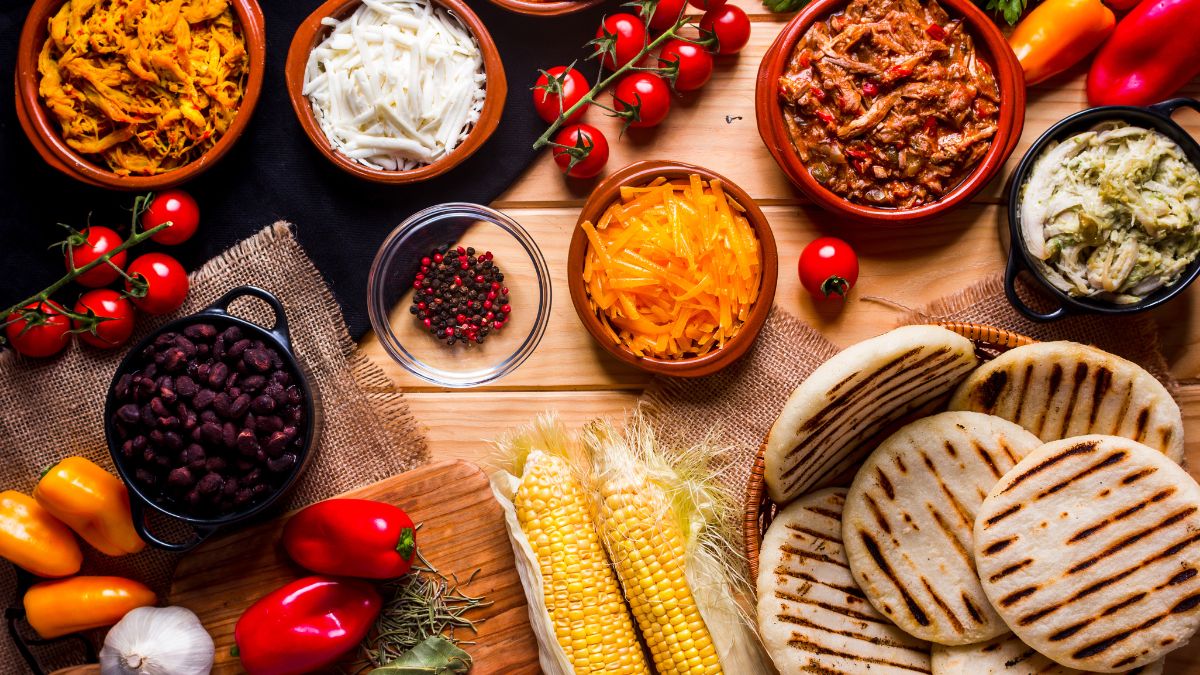
The Venezuelan Arepa in the World, A Journey Full of Flavor
Culinary Revolution: From the 20th Century to the Present
The 20th century brought with it industrialization, which also impacted the preparation of empanadas. The introduction of electric fryers and modern ovens allowed for faster and more standardized production.
This period also saw the emergence of new fillings and combinations, reflecting the changing tastes of Venezuelan society. The empanada established itself as an icon of Venezuelan fast food, available on every corner and adapting to the accelerated rhythms of urban life.
History of Venezuelan Empanadas 🥟🇻🇪
Types of Venezuelan Empanadas
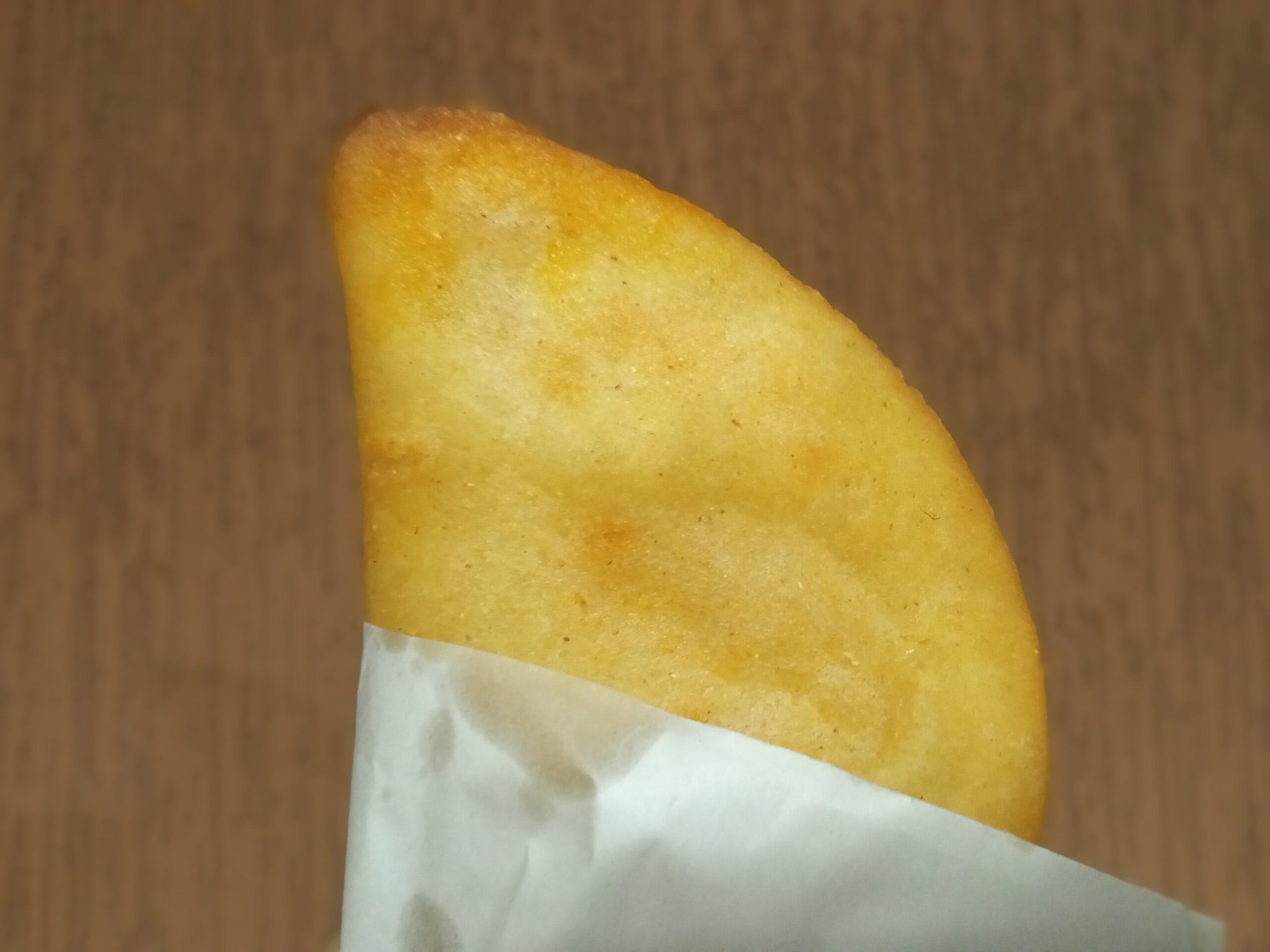
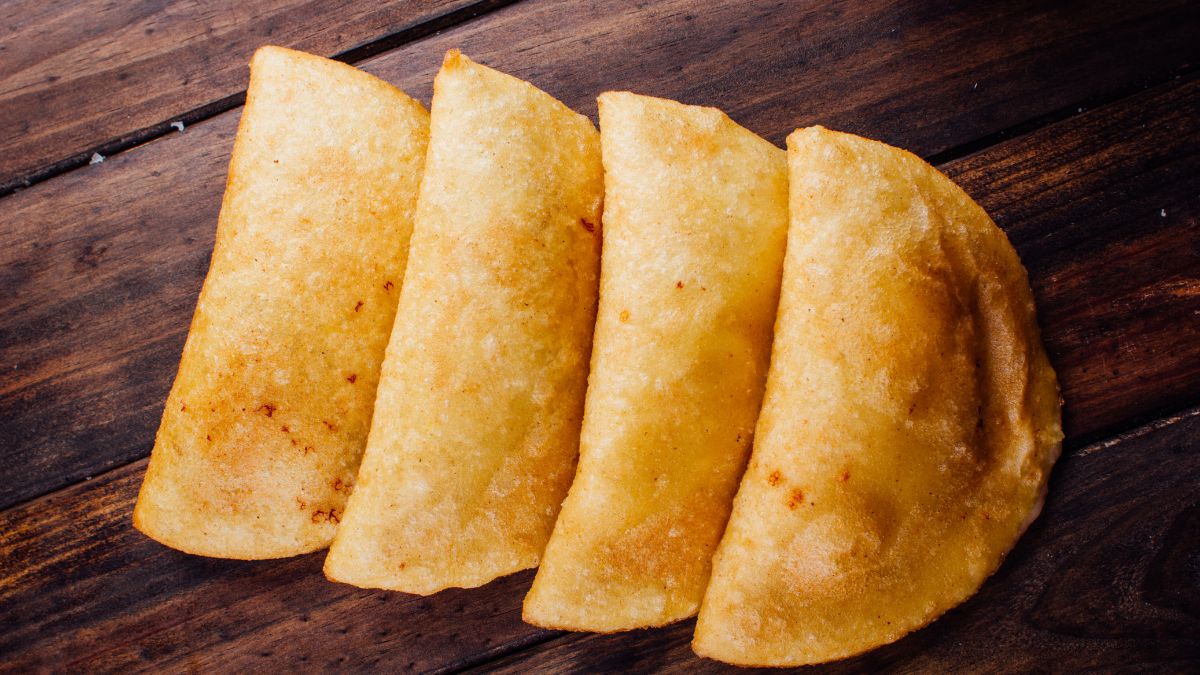
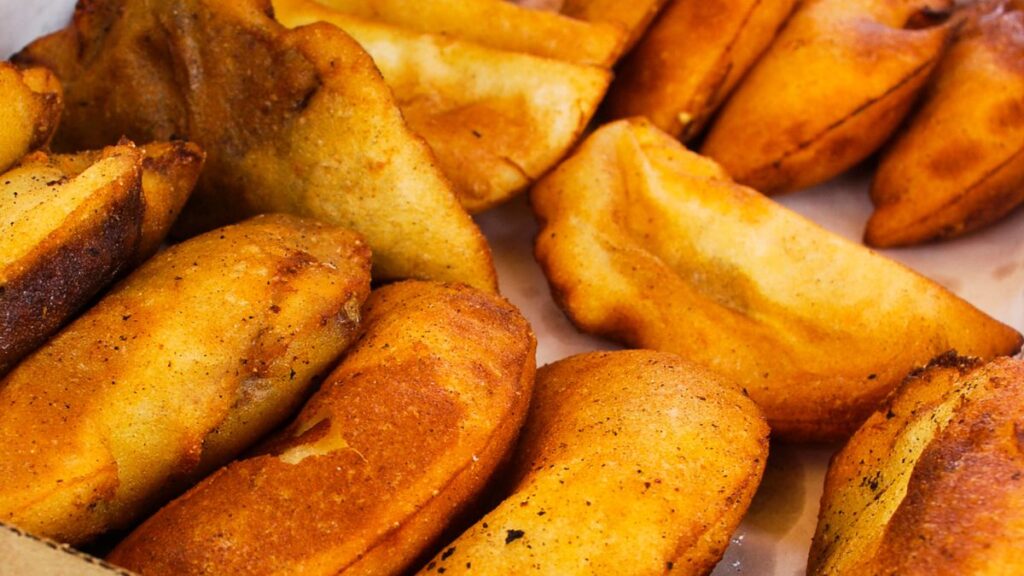
Today, the variety of Venezuelan empanadas is vast. Some of the most popular include:
- Shredded Beef Empanadas: Stuffed with shredded and seasoned beef.
- Cheese empanadas: With soft white cheese, sometimes mixed with ham.
- Pabellón Criollo Empanadas: A miniature version of the national dish, with shredded meat, black beans, ripe plantains and cheese.
- Dogfish Empanadas: Typical of the eastern region, stuffed with shredded small shark.
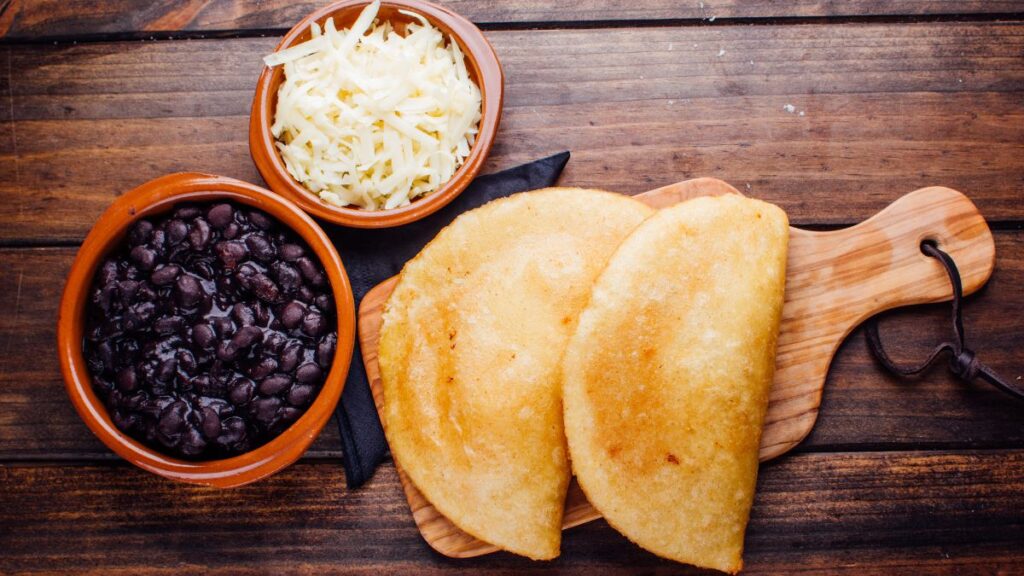
- Domino's Empanadas: With a mixture of black beans and white cheese.
Preparation Techniques: From the Stove to the Fryer
The traditional preparation of Venezuelan empanadas involves several careful steps:
- Preparation of the dough: Usually corn flour, water and salt.
- Preparation of the filling: It varies depending on the recipe, but it should always be well seasoned.
- Armed: A disk of dough is formed, filled and carefully sealed.
- Cooking: Traditionally fried in hot oil, although some variants are baked.
The secret to achieving the perfect empanada lies in the quality of the ingredients and the balance between the crunchy dough and the juicy filling.
Festive Flavors: Discover Venezuelan Christmas Cuisine
The Venezuelan Empanada in the World
With the growing Venezuelan diaspora, empanadas have traveled the world. In countries like the United States, Spain, and Colombia, it's common to find restaurants and food trucks specializing in Venezuelan empanadas.
This expansion has led to interesting adaptations, such as empanadas with fusion fillings that incorporate local ingredients from the host countries, maintaining the essence of the Venezuelan technique.
Frozen Venezuelan Tequeños in the United States
-
Product on offerFrozen Mini Venezuelan Dogfish Empanadas (Box of 48 Units)The original price was: $95.00.$78.25The current price is: $78.25.
-
Product on offerFrozen Mini Venezuelan Ham and Cheese Empanadas (Box 48 Units)The original price was: $95.00.$78.25The current price is: $78.25.
-
Product on offerFrozen Mini Venezuelan Ground Beef Empanadas (Box 48 Units)The original price was: $95.00.$78.25The current price is: $78.25.
MosaicoFrozen: Preserving Tradition
At MosaicoFrozen, located in Branford, Connecticut, we pride ourselves on keeping the tradition of Venezuelan empanadas alive. Our production process combines artisanal techniques with modern quick-freezing technology, allowing us to offer empanadas that preserve the authentic flavor of Venezuela.
We offer a wide variety of frozen empanadas, from traditional shredded meat and cheese empanadas to more gourmet options such as pabellón criollo. Our commitment to quality is reflected in the use of fresh and natural ingredients, without artificial preservatives, guaranteeing a superior culinary experience in every bite.
Conclusion
The history of Venezuelan empanadas is a testament to Venezuela's rich cultural and culinary heritage. From its humble indigenous origins to its current status as an international gastronomic icon, the empanada has evolved while maintaining its essence.
At MosaicoFrozen , we are proud to be part of this story, bringing the authentic taste of Venezuelan empanadas to homes in the United States and beyond. We invite you to try our frozen empanadas and experience this piece of Venezuelan history and culture for yourself.
Frequently Asked Questions about the History of Venezuelan Empanadas
What is the origin of Venezuelan empanadas?
Venezuelan empanadas have their roots in the fusion of indigenous and Spanish culinary techniques during colonial times.
What makes the Venezuelan empanada unique?
Its crispy corn dough, the diversity of regional fillings and the frying technique that gives it its characteristic flavor and texture.
How have empanadas evolved in Venezuela?
They have gone from being a staple to becoming a fast food icon, with a wide variety of fillings that reflect the country's cultural diversity.
What are the most traditional fillings?
Shredded meat, cheese, dogfish (in the eastern region) and Creole pavilion are some of the most traditional fillings.
How do you maintain quality in frozen empanadas?
At MosaicoFrozen, we use rapid freezing techniques that preserve the flavor and texture of the empanadas, maintaining the authenticity of the traditional recipe.