
As dawn breaks in the warm west of Venezuela, the aroma of ripe plantains and corn mingles with the morning freshness of Zulia state. In homes and markets, the sizzle of oil on the stove heralds the daily ritual: the preparation of mandocas , that uniquely flavored Venezuelan snack that embodies the identity of a people.
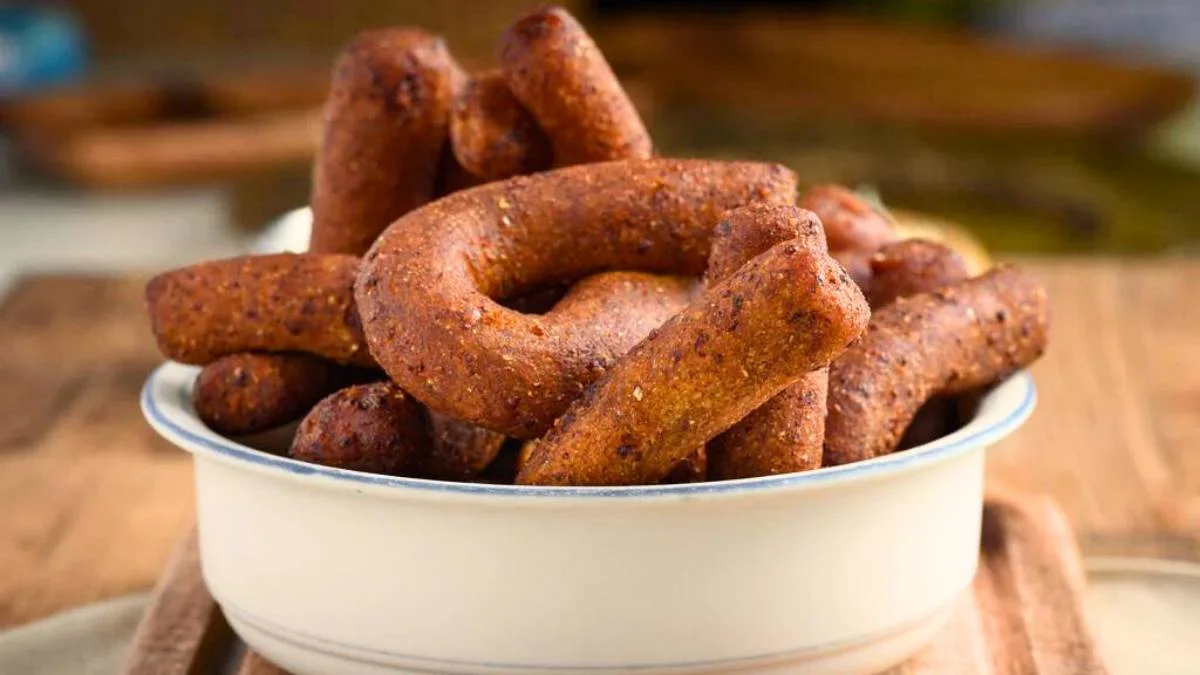
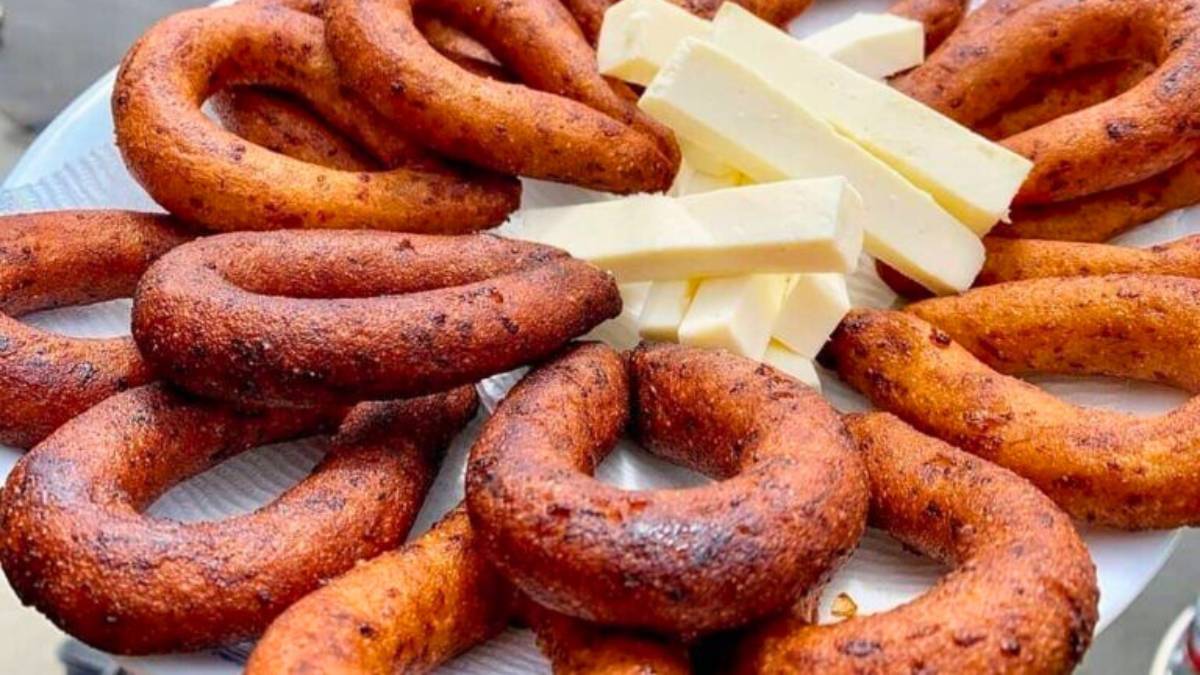
In every corner of Zulia's gastronomy , expert hands shape the mixture of flour, plantain, and cheese, creating that golden ring that, when bitten, crunches and awakens all the senses with its homey flavor, making mandocas a genuine Zulia tradition.
Content
From humble beginnings and kitchens, this exquisite delicacy has become an indispensable part of the table, both for breakfast and dinner. An irreplaceable companion to coffee with milk, the mandoca is much more than just a snack; it's a symbol of gathering, celebration, and regional pride.
Highlights
- mandocas They are a hallmark of the zuliana tradition, with roots rooted in the state of Zulia, western Venezuela.
- This Venezuelan appetizer is recognized for his unique flavor, result of the harmonious combination of banana y cheese.
- mandocas are an essential part of the Zulian gastronomy, present in the daily lives of its inhabitants and in special celebrations.
- This appetizer not only delights the palate, but also strengthens the sense of identity and belonging of the Zulians.
- Knowing the history and preparation of mandocas allows you to further appreciate the rich gastronomic culture of western Venezuela.
Origins of the Mandocas in Venezuelan Culture
Delving into the history of mandocas , we discover that this emblematic dish possesses a rich cultural heritage in Venezuela. Venezuelan mandocas , with their characteristic flavors and textures, are not only a vibrant example of regional gastronomy, but also a valuable expression of the country's cultural origins , particularly those of the state of Zulia.
This delicious fried doughnut, always served hot and golden brown, has its roots in the customs of the indigenous and Afro-Venezuelan peoples of western Venezuela . Mandocas are recognized as a representation of cultural fusion, symbolizing the blending of traditions and flavors that have shaped the identity of Zulia.
- Native ingredients such as ripe banana and the piece of paper.
- The leading role of corn, heritage of pre-Columbian cultures.
- African influences in their cooking methods and accompaniments.
These roots demonstrate the historical journey of mandocas through the centuries, being today not only an appetizer but also a symbol of the rich traditions that make up the social fabric of Venezuela.
-
Product on offer
 Venezuelan Guasacaca Sauce, Green Sauce, 8 OZ – Salsas MosaicoThe original price was: $21.00.$16.96The current price is: $16.96.
 -
Product on offerFrozen Mini Venezuelan Ground Beef Empanadas (Box 48 Units)The original price was: $95.00.$78.25The current price is: $78.25.
-
Product on offerFrozen Venezuelan Tequeños, Latin Cheese Fingers (28 units)The original price was: $62.00.$44.50The current price is: $44.50.
La Mandoca: An Expression of Zuliana Gastronomy
Mandocas, more than just a typical dish, represent a regional identity that transcends the culinary realm to become an emblem of Zulia's culture. This culinary treasure is a clear example of how culinary traditions blend with history and build the cultural heritage of a community.
Meaning of the mandoca in Zulian identity
Mandocas not only delight the palate, but their aroma of plantain and unrefined cane sugar embodies a vast legacy of gastronomic and cultural value. Each golden, crispy ring is a tangible reminder of Zulia's culinary traditions , which have been kept alive through the years, becoming a symbol of the region's social and familial cohesion.
Indigenous and Afro-descendant roots reflected in its flavor
The unique culinary expression of the mandoca carries with it ancestral knowledge that honors indigenous and African influences. This amalgamation of cultures has given rise to a unique and unmistakable flavor profile that, in turn, highlights the natural resources available in the region, alluding to its humble origins and its development over generations.
| Cultural Component | Representative Ingredients | Implications on the Zuliana Identity |
|---|---|---|
| Indigenous Origins | Cornmeal, Banana | Respect and use of native resources |
| African influence | paper, Cheese of the year | Integration of flavors and culinary techniques from the African diaspora |
| Cultural Fusion | Anise, Papelón | Resulting from the enriching mix of different cultures in Zulian cuisine |
Essential ingredients of traditional mandocas
The rich flavors that characterize mandocas originate from the combination of ingredients typical of Venezuelan culture. The mandoca recipe has been passed down from generation to generation, perfecting the balance between sweet and savory in this traditional dish. Below, we will explore the fundamental ingredients that make mandocas a culinary delight.
The foundation for an excellent mandoca begins with cornmeal , the structural element that defines its texture. This is mixed with ripe plantain , which contributes its characteristic sweetness and a smooth texture. Papelón , also known as panela or piloncillo, is incorporated into the dough to provide that traditional Venezuelan touch that is so appreciated. And we can't forget the white cheese , preferably hard and finely grated, which blends its flavors with the other ingredients when the mandocas are cooked.
The special touch that sets a mandoca apart from any other arepado comes from its characteristic anise essence , infusing each bite with a distinctive and subtle aroma. Finally, the preparation is topped with more grated cheese , either mixed into the dough or sprinkled on top of the fried mandocas, creating an extra layer of flavor and texture.
- Cornmeal: Yellow or white, essential for texture.
- Ripe banana: Provides sweetness and softness to the dough.
- Papelón: Gives the characteristic sweet flavor and is essential in the mandocas recipe.
- White cheese: Preferably hard, mixed with the other ingredients for an authentic flavor.
- Anise: Provides a unique aroma that perfumes and enhances the dish.
- Grated cheese: To add directly to the dough or sprinkle on top once the mandocas are fried.
Mandocas preserve the essence of authentic Zulia cuisine , resulting in a dish to be savored with every bite. The versatility of the ingredients allows the mandoca recipe to remain true to its cultural roots, while also permitting small regional variations that give it a personal touch in every Venezuelan home.
Key steps for making homemade mandocas
When tackling the topic of how to make mandocas , it's essential to start with the basics: a good dough. The easy, traditional recipe we present here guarantees crispy mandocas that will capture the taste of Venezuela in every bite.
The perfect mix: Corn flour, paper and ripe banana
To prepare mandocas , start by mixing yellow cornmeal with grated panela (unrefined cane sugar) in a large bowl—this will give it that characteristic sweet note—and a generous amount of grated white cheese . Mashed ripe plantain is then added to the mixture to provide moisture and flavor. Gradually add water until you obtain a smooth dough that you can knead with your hands. Don't underestimate the importance of this step for achieving the perfect homemade recipe .
Crispy frying: The secret to obtaining the best mandocas
Once the dough is ready and has rested, it's time to shape the mandocas. Take small portions of dough and form cylinders, which you will then roll into rings, typical of fried mandocas . Heat plenty of oil in a frying pan, making sure it's very hot so that when you add the dough, it browns evenly and acquires a crispy and appetizing texture. When you remove them, place these treats on absorbent paper to remove the excess oil.
With these simple steps, your mandocas will be ready to enjoy at a family breakfast or as a delicious snack any time of day. The key is the patience and love with which you prepare this easy recipe , which carries with it the tradition of a country.
Regional varieties of Venezuelan mandocas
Venezuelan cuisine is as rich and varied as its landscapes, and mandocas are a prime example of this culinary diversity. Each region contributes its own special touch, creating varieties of mandocas that reflect local identity and preferences. From the mandocas of Lara to those of eastern Venezuela , each version is a flavorful journey through the country.
Some of the most notable recipes found in different regions include unique ingredients or modifications to the traditional recipe. For example, while some regional mandoca recipes may omit the plantain, others add shredded coconut or even fennel seeds for extra flavor and authenticity.
| Region | Variety | Characteristic Ingredients |
|---|---|---|
| Zulia | Traditional | Corn flour, paper, ripe banana, White cheese hard |
| Lara | Mandocas Larenses | Corn flour, paper, fennel seeds |
| Nibujon | Mandocas of the East | Corn flour, paper, grated coconut |
These varieties of mandocas not only demonstrate the adaptability of this traditional dish but also the cultural exchange between different regions. The variations range from subtle to bold, and all are equally delicious. We invite our readers to discover and try the different regional mandoca recipes and immerse themselves in the flavors that Venezuela's diverse landscape has to offer.
-
Product on offerFrozen Mini Venezuelan Ground Beef Empanadas (Box 48 Units)The original price was: $95.00.$78.25The current price is: $78.25.
How to taste mandocas: Combinations and presentations
The art of enjoying mandocas lies in the creativity of combining them with ingredients that highlight their sweet and savory flavors. Whether a typical breakfast or even a snack, mandocas' culinary versatility allows for experimentation with a variety of accompaniments.
Accompaniments: Beyond traditional grated cheese
While grated cheese is irreplaceable, there's a range of options for those who want to explore new flavors and textures. The mandoca tasting experience can be enhanced with the following:
- Avocado cream for a fresh and creamy touch
- Shredded meat or shredded chicken as a complementary protein
- Black beans for a more robust experience
- Butter or cream to add unctuousness
From snack to breakfast: The versatility of mandocas
Mandocas aren't limited to just one time of day; their versatility makes them the star of recipes ranging from a nutritious breakfast to a delicious afternoon snack. Think of mandocas with cheese and a cup of coffee in the morning, or as a hearty base for a more elaborate dish in the afternoon. Every taste becomes an opportunity to celebrate Venezuela's rich culinary tradition.
The mandoca in the daily life of Zulians
Mandocas in everyday life reflect the deep roots and importance of a culinary heritage that transcends the traditional concept of food. In every home in the state of Zulia, this daily Zulia dish is prepared with the personal touch that each family gives it, serving as a symbol of unity and the continuity of ancestral practices. Zulia's gastronomy is known for its richness and diversity, and mandocas represent that essence that all Zulians carry with pride.
Far from being a simple side dish, mandocas are at the heart of Zulia's culinary tradition , deeply intertwined with the daily lives of its people. It's not uncommon to find them on the table at breakfast, their aroma filling the air, or at dinner, where they bring the day to a close with their unique flavor.
- Breakfast with mandocas: A start to the day with energy and tradition.
- Dinners with mandocas: The perfect ending to the day.
- Celebrations and reunions: A flavor that unites the family.
- Recipe transmission: The Mandocas as a cultural legacy.
Whether with cheese, butter, or simply on their own, mandocas maintain their special place in Zulia's culinary tradition . They have become a means of preserving history and culture through their flavor, passed down from generation to generation, thus demonstrating the robustness and richness of Zulia's gastronomy.
Preservation of tradition: Passing on the mandocas recipe
In the Zulia region, the art of preparing mandocas is more than just a recipe; it's a legacy that reflects Zulia's culinary culture . The transmission of recipes is central to teaching traditions , thus ensuring the perpetuation of the flavors that define this land from generation to generation.
Teaching and learning in the kitchens of Zulia
The kitchens of Zulia are like classrooms where parents and children, grandparents and grandchildren share moments of learning, weaving stories and secrets around the dough and the hearth. The traditional ways of cooking mandocas are taught with love and patience, in an exchange of knowledge that nourishes the soul as much as the palate.
The mandocas and their presence in Venezuelan popular culture
Mandocas in Venezuelan popular culture are notable for their ability to bring people together. At fairs, festivals, and even in music, mandocas are celebrated as an integral part of Venezuelan identity. Their presence transcends the act of eating, becoming symbols of joy and camaraderie.
| Main ingredients | Cultural Significance | Consumption Occasions |
|---|---|---|
| Corn flour, ripe banana, paper, year-old cheese | Union of indigenous, African and Spanish heritages | Breakfasts, dinners and family celebrations |
| Ring-shaped fry | Strength and persistence of Zulian culture | Regional cultural fairs and events |
| Accompanying coffee with milk | Coexistence and homely warmth | Social gatherings and snacks |
Events and festivities: The mandocas as protagonists
In the heart of Zulia state's traditions, mandocas stand out as one of the most emblematic dishes during festivities . They are an integral part of family celebrations and play a leading role in the rich tapestry of Zulia's events . These delicacies, with their unmistakable flavor and characteristic shape, are always present, proudly bearing the title of "protagonist mandocas ."
Whether during the festivities of the Virgin of Chiquinquirá or during the colorful celebrations of the Chinita Fair, mandocas are served with enthusiasm. The following are some of the events where this appetizer cannot be missed:
- Patron Saint Festivities of San Benito
- Zulianity Day Celebration
- Chinita Fair in November
- Family gatherings during Easter and Christmas
To better understand how the mandocas are integrated into these events, let's see a table with examples of their central role:
| Event | Role of the Mandocas | Traditional Accompaniments |
|---|---|---|
| San Benito Festivities | Offering and symbol of gratitude | Chicha, coffee with milk and hard cheese |
| Zulianity Day | Expression of regional identity | Stick meat and chicken salad |
| Chinita Fair | Representative gastronomy in kiosks | Cocuy of penca and dulce de lechesa |
| Christmas Gatherings | Family snack during sharing | Pernil and hallacas |
Mandocas have become a delicious link that celebrates the culture and history of the region, becoming much more than a food: they are heritage, they are festivities and, above all, they are home.
Conclusion
On a journey through Venezuela's rich gastronomy , traditional mandocas stand out as a true Venezuelan delicacy , deeply rooted in the culture and palates of those seeking to savor the traditions of Zulia. It's not just another appetizer, but an emblematic dish that, through its delicious complexity, tells a story of cultural convergence and a passion for good flavors.
From breakfast to dinner, mandocas represent that unbreakable bond with the past, keeping alive the flame of a legacy as rich as it is diverse. The flavors of mandocas , with their characteristic sweet and savory blend, continue to win over new generations and cross borders, bringing a piece of Venezuela to every corner where they are prepared and enjoyed.
Thus, the Mandocas consolidate themselves as guardians of Zulian identity, affirming their place not only at the table, but in the heart of Venezuelan culture. This simple but illustrious dish continues to weave stories in every home and holiday, reminding us that cooking is much more than food: it is heritage, it is community and it is, above all, love for the flavors that define us and unite us.
You may also like
Tequeños History and Authentic Recipes, Origin of this Delight of Venezuelan Flavor
Everything about Venezuelan Arepas, Origin, History, Versions and Curiosities: The Complete Guide
Discover the Key Ingredients of Venezuelan Cuisine, the Basis of the Flavor of Our Gastronomy
Discover the Incredible History of Venezuelan Cuisine
Frequently asked questions about Venezuelan Mandocas
We hope that you find this selection of frequently asked questions about Venezuelan mandocas and Zulian mandocas super interesting.
What are mandocas and why are they famous in Maracaibo?
Mandocas are a typical recipe from the state of Zulia, especially from Maracaibo, where they are considered a fundamental dish. They are an appetizer that combines the sweet flavor of ripe banana with cheese and paper, creating a unique mix of flavors that makes them famous in this region of western Venezuela.
What are the main ingredients to prepare mandocas?
The main ingredients to prepare mandocas include plantain, wheat flour, hard white cheese, papelón (piloncillo), and spices such as cinnamon and anise. Together they form the base of this recipe, providing that characteristic sweet flavor of ripe banana with cheese and paper that is its own.
How are mandocas given their characteristic shape?
To give them their characteristic drop or tear shape, the mixture is first kneaded until it is moldable. Then, take a small portion and roll it in your hands or on a surface until it forms a ball. This little ball elongates and bends, joining the ends to form a kind of ring with sharp points, similar to a tear or drop.
What is the cooking method for mandocas?
The mandocas are fried in hot oil until they acquire a golden color and a crispy texture. It is crucial to keep the oil at a suitable temperature to prevent it from absorbing too much and becoming greasy. Once fried, they are usually placed on a plate with absorbent paper to remove excess fat.
How are mandocas traditionally served in Maracaibo?
Traditionally in Maracaibo, mandocas are served hot, accompanied by grated or sliced white cheese on top. This perfectly complements the sweet flavor of the ripe banana with the saltiness of the cheese, offering a unique culinary experience. They can also be accompanied by cream or butter, depending on preference.
Is it possible to prepare mandocas without some of the traditional ingredients?
Yes, it is possible to adapt the mandocas recipe to omit or substitute some of the ingredients, although this will modify its traditional flavor. For example, if someone cannot consume sugar, paper can be reduced or replaced with alternatives with a lower glycemic index. It is always possible to experiment with the recipe to accommodate different diets or availability of ingredients.
How many units of mandocas can be prepared with the traditional recipe?
Depending on the size, with the traditional recipe you can prepare approximately 12 to 36 units of mandocas. The quantity will vary depending on the desired size of each mandoca, with the quantity being 12 units for larger mandocas and 36 for smaller or pasopalo type ones.
What tips do experts follow to maintain the freshness of mandocas?
Experts suggest eating mandocas immediately after preparing them, since that is when you can best enjoy their crunchy texture and flavor. If there is a need to preserve them, they should be stored in an airtight container at room temperature for no more than a day to maintain their texture as best as possible. Briefly heating them in a frying pan or deep fryer can help restore some of their original texture.
-
Product on offerVenezuelan Guasacaca Sauce, Green Sauce, 8 OZ – Salsas MosaicoThe original price was: $21.00.$16.96The current price is: $16.96.
-
Product on offerFrozen Mini Venezuelan Ground Beef Empanadas (Box 48 Units)The original price was: $95.00.$78.25The current price is: $78.25.
-
Product on offerFrozen Venezuelan Tequeños, Latin Cheese Fingers (28 units)The original price was: $62.00.$44.50The current price is: $44.50.
Are there variants in the mandocas recipe outside of Maracaibo?
Yes, there are variants of the mandocas in different regions of Venezuela and among Zulia families. Variations can include using different types of cheeses, incorporating other sweet ingredients such as honey, or adapting the spices used, such as omitting cinnamon or adding nutmeg. Each variant offers a different experience while maintaining the essence of this traditional dish.
The Venezuelan mandoca is a culinary icon that fills the people of Zulia state with pride, who savor its flavor and consider it part of their traditions. When one asks where mandocas come from , the answer is clear: mandocas are a typical recipe from Zulia state , one of the most populated states in Venezuela. These delicacies come from the very heart of Zulia's identity. The Zulia-style mandoca , with its characteristic ring shape and its balance of sweet and savory, is not only a dish served at the table but also a symbol of the local culture.
To understand the origin of mandocas , it's essential to go back to the roots of the culinary tradition of western Venezuela. The mandocas of Zulia state reflect the history of a people who have skillfully combined native ingredients to create something truly their own. This snack has been passed down from generation to generation, and today it remains a tangible expression of Zulia's heritage.
The popularity of the Venezuelan mandoca transcends borders, inviting locals and visitors alike to discover the richness of Zulia's cuisine. Exploring the origins of mandocas leads us on a culinary journey that takes us directly to the kitchens and celebrations of Zulia. Thus, the Zulia-style mandoca stands as an ambassador of the flavors of a region that celebrates its identity through every bite of this traditional dish.
At the heart of Venezuela's culinary culture, the phrase "mandoca meaning" transcends the simple description of a food item, becoming an emblem of family unity and regional pride. This appetizer represents more than just a recipe; it's a symbol of the history and identity of the people of Zulia. When we speak of "Venezuelan mandoca ," we immediately think of the state of Zulia, where this dish has taken shape and gained fame, reflecting the customs and culinary ingenuity of its inhabitants.
Known as "maracucho mandocas ," these delicacies are a constant presence in Maracaibo, the capital of Zulia state, where each bite evokes the warmth and vibrant character of the city. It's a dish enjoyed at family gatherings, celebrations, and in everyday life, always accompanied by shared stories and laughter. On the other hand, when we refer to "Venezuelan mandocas ," we highlight their place as an integral part of the national cuisine, an expression of the rich diversity that characterizes the country's gastronomy. In every corner of Venezuela, mandocas are prepared with pride, adapting to local tastes without losing their Zulia essence.
The history of the mandoca is as rich as its flavor, and delving into it is to explore the culinary traditions of a people. This appetizer, born in the warmth of Zulia's kitchens, is the result of a fusion of cultures and flavors that have intertwined over the centuries. The sweet and savory dough, characteristic of mandocas, is not only a delight for the palate but also a legacy from past generations that has remained alive in Venezuela's culinary memory.
The origin of the mandoca takes us on a journey through time to the state of Zulia, where the creativity of its inhabitants gave life to this unique dish. Made with local ingredients such as ripe plantains, unrefined cane sugar (papelón), and cheese, mandocas are a testament to Zulia's culinary ingenuity. Their distinctive shape and balanced flavor—a blend of the sweetness of the unrefined cane sugar and the saltiness of the cheese—make mandocas a gastronomic experience that transcends the simple act of eating, becoming a symbol of identity and tradition.