
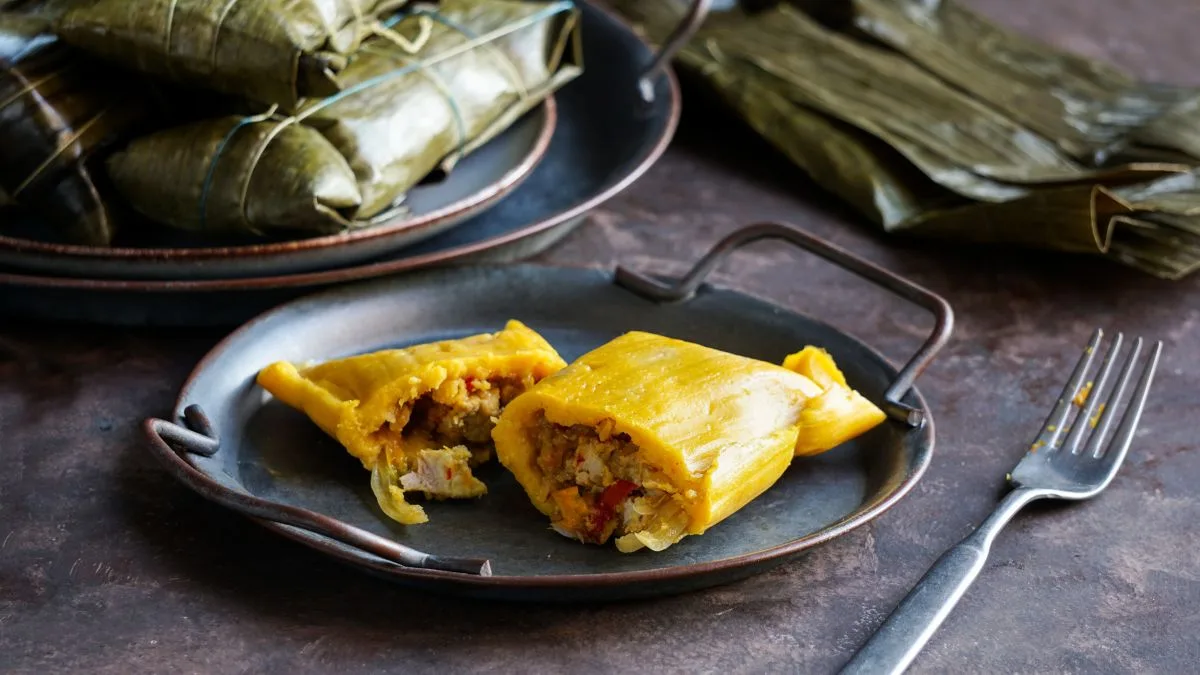
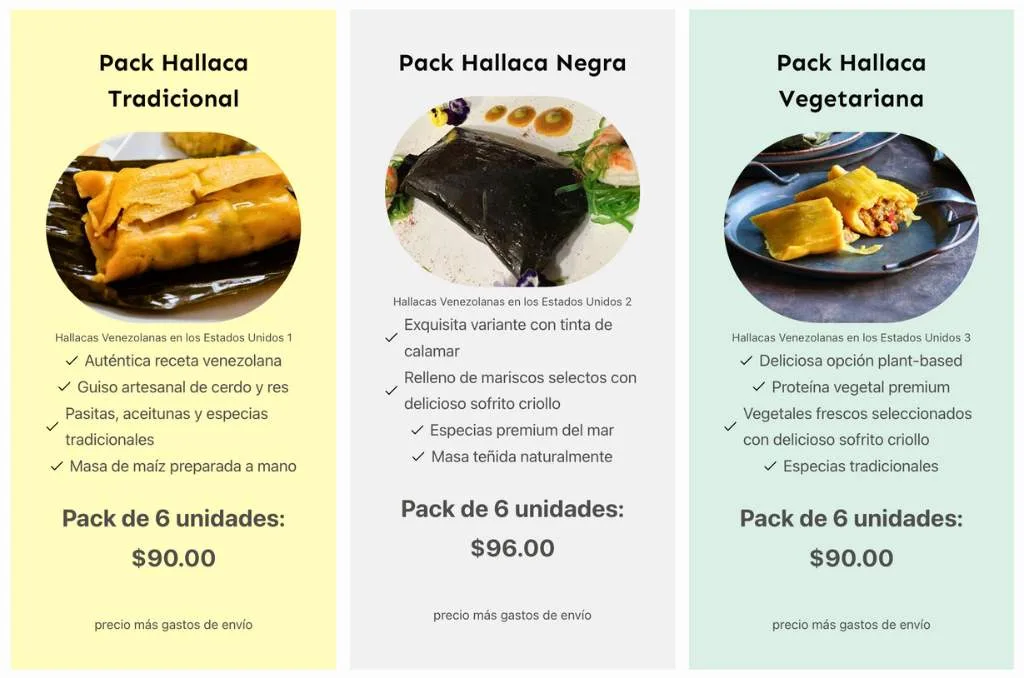
The production and sale of frozen hallacas in the United States generates an average return on investment of 45% during the holiday season. This analysis details the financial and operational aspects of the frozen hallaca business in the U.S. market, following efficient logistics standards for frozen products.
Current market analysis
Demand for hallacas in the United States
Demand for frozen hallacas in the United States grows by 25% annually, especially during the Venezuelan Christmas season . Venezuelan cuisine in the diaspora shows these figures in the main states:
| Status | Venezuelan population | Monthly demand (units) |
|---|---|---|
| Florida St | 250,000 | 75,000 |
| Texas | 150,000 | 45,000 |
| New York | 100,000 | 30,000 |
| Connecticut | 50,000 | 15,000 |
Current competition
The frozen hallaca market, like other premium Venezuelan products , exhibits these characteristics:
- Top 5 manufacturers
- 20 artisan producers
- 15 direct importers
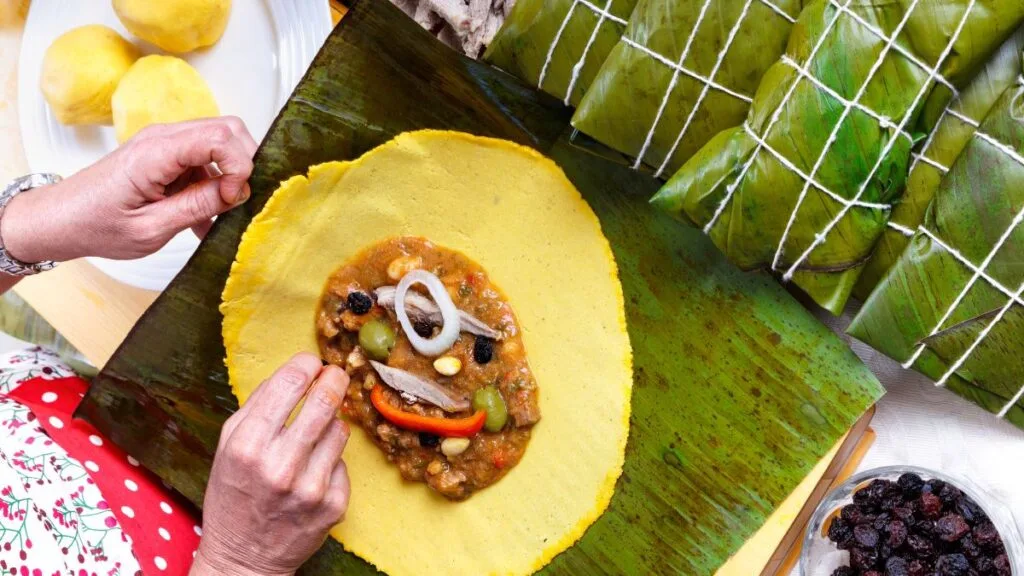
Cost structure
Monthly fixed costs
Similar to the cost structure in the profitability of Venezuelan products in the US , fixed costs include:
| Concept | Monthly cost ($) |
|---|---|
| Rental facilities | 3,500 |
| Equipment | 1,200 |
| Base staff | 8,000 |
| Services | 2,000 |
Variable costs per hallaca
Production costs follow similar standards to other frozen products in our line :
| Components | Cost ($) |
|---|---|
| Ingredients | 2.50 |
| Packaging Materials | 0.30 |
| direct labor | 1.20 |
| Distribution | 0.50 |
Prices and margins
Price strategy
Following the price range of premium Venezuelan products , we recommend:
| Sales channel | Unit price ($) | Margin (%) |
|---|---|---|
| Direct sale | 12.99 | 55 |
| Wholesaler | 9.99 | 35 |
| Distributor | 8.50 | 25 |
Financial projections
Conservative scenario first year
Based on our experience with the distribution of frozen products in the United States , we project:
- Initial investment: $75,000
- Monthly production: 5,000 units
- Projected monthly sales: $50,000
- Operating margin: 35%
- Break even point: 8 months
Optimization strategies
Costs reduction
We applied the same successful strategies that we used in our cost analysis for frozen products :
- Purchasing ingredients wholesale
- Automation of the wrapping process
- Optimization of distribution routes
- Agreements with local suppliers
Maximizing revenue
Following the wholesale model for frozen products , we implemented:
- Pre-order program
- volume discounts
- Special offers for restaurants
- Direct delivery service

Success factors
QA
We apply the same quality standards that have made our key Venezuelan cuisine ingredients successful :
- Selection of premium ingredients
- Constant temperature control
- Batch traceability
- Quality certifications
Cold chain
Following our optimal storage protocol for frozen products , we maintain:
- Storage at -18°C/0°F
- Transports refrigerated
- Temperature monitoring
- Emergency protocols
You may also like
Coquito – Delicious and easy to make recipes
How to make traditional custard

Venezuelan custard
8 best green and ripe banana recipes
Bistec Encebollado – Steak & Onions
Easy and delicious Colombian custard recipe
Conclusions
The frozen hallaca market in the United States offers attractive profitability, with margins ranging from 25% to 55%. As our experience in the Venezuelan food trends market in the United States demonstrates , key success factors include:
- Effective cost control
- Rigorous quality management
- Competitive pricing strategy
- Efficient distribution system
For more information on wholesale orders and distribution, please visit our services page or contact our sales team.
Frequently asked questions about the profitability of frozen hallacas
What is the minimum investment to start a frozen hallacas business?
The minimum investment to start a frozen hallaca business in the United States is $75,000. This amount includes:
- Basic equipment: $30,000
- Adaptation of facilities: $20,000
- Initial working capital: $15,000
- Permits and certifications: $10,000
How long does it take to recover the investment?
In an average scenario, following best practices for efficient logistics , the return on investment is achieved between 12 and 18 months, depending on:
- Monthly sales volume
- Effective cost control
- Price strategy
- Season of the year
What is the average profit margin per hallaca?
The profit margin varies depending on the sales channel:
| Canal | Cost ($) | Price ($) | Margin (%) |
|---|---|---|---|
| Direct sale | 4.50 | 12.99 | 55 % |
| Distributors | 4.50 | 8.50 | 25 % |
What certifications are needed to produce frozen hallacas?
The required certifications are:
- Food handling license
- HACCP Certification
- FDA registration
- State and local permits
What minimum equipment is needed for production?
The basic equipment for producing premium hallacas includes:
- Industrial freezing chamber
- Vacuum packaging equipment
- Stainless steel work tables
- Temperature monitoring system
What is the best season to sell hallacas?
Sales of hallacas, as part of Venezuelan Christmas cuisine , are distributed as follows:
| Season | Percentage of annual sales |
|---|---|
| November December | 60 % |
| September-October | 20 % |
| The rest of the year | 20 % |
How to maintain quality in large-scale production?
To maintain quality in the mass production of hallacas, we follow the same protocols we use in the preparation of traditional Venezuelan food :
- Quality control at every stage
- Continuous staff training
- Standardization of recipes
- Constant temperature monitoring
How many staff are needed to start operations?
Minimum equipment for initial production includes:
- 2 specialized chefs
- 4 kitchen assistants
- 1 quality supervisor
- 1 logistics manager
What is the shelf life of frozen hallacas?
Following our optimal storage protocols , the hallacas maintain their quality:
- 6 months at -18°C (0°F)
- 3 months at -12°C (10°F)
- 5 days defrosted in refrigeration
What is the minimum profitable production volume?
Based on our profitability analysis of Venezuelan products , the minimum profitable volume is:
| Period | Units |
|---|---|
| Monthly (low season) | 2,000 |
| Monthly (high season) | 5,000 |