
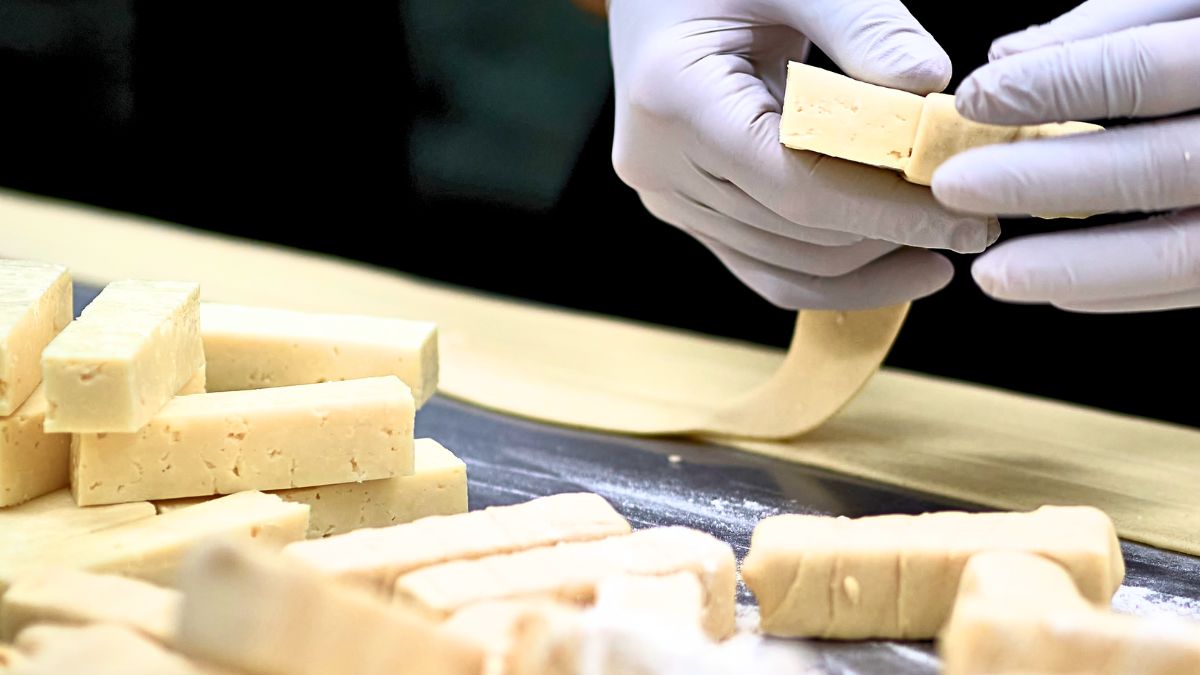
Venezuelan Tequeños and their Soft and Juicy Cheese Heart
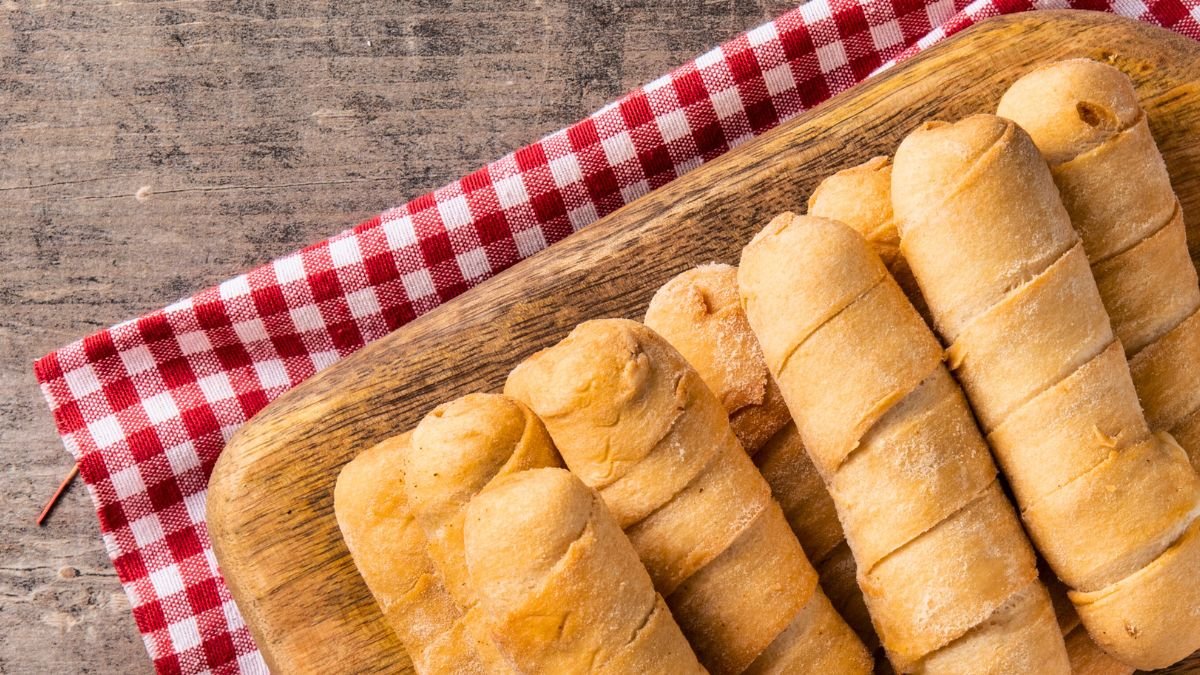
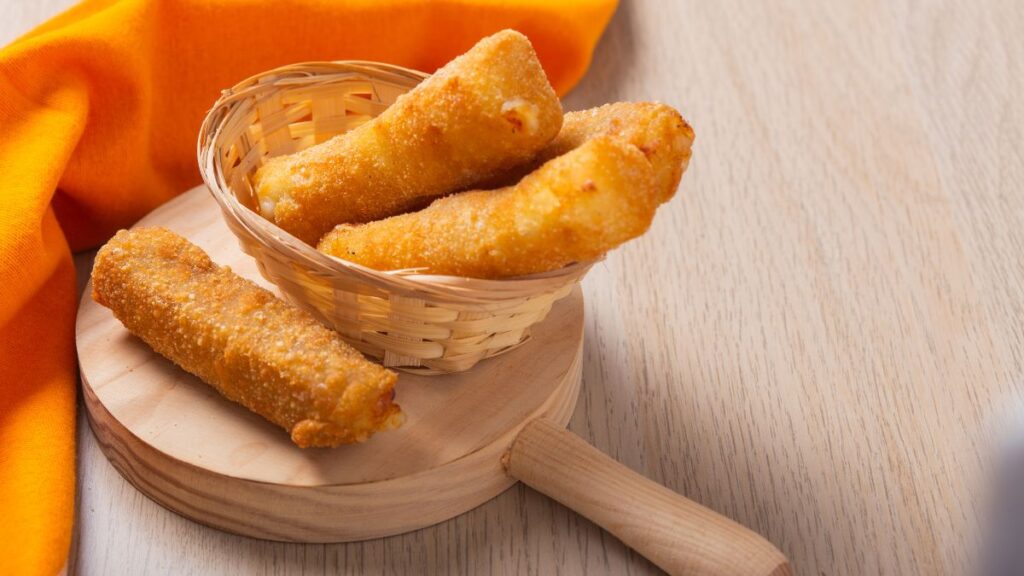
Tequeños are much more than just a snack; they are a symbol of celebration and togetherness in Venezuelan culture, their flavor spreading to countless corners of the world. These delicious bites, essentially composed of a crispy, golden dough encasing a melted cheese center, have won over palates from Latin America to Europe and beyond. Their versatility and unmistakable flavor make them perfect for any celebration or as an everyday snack.
Table of Contents
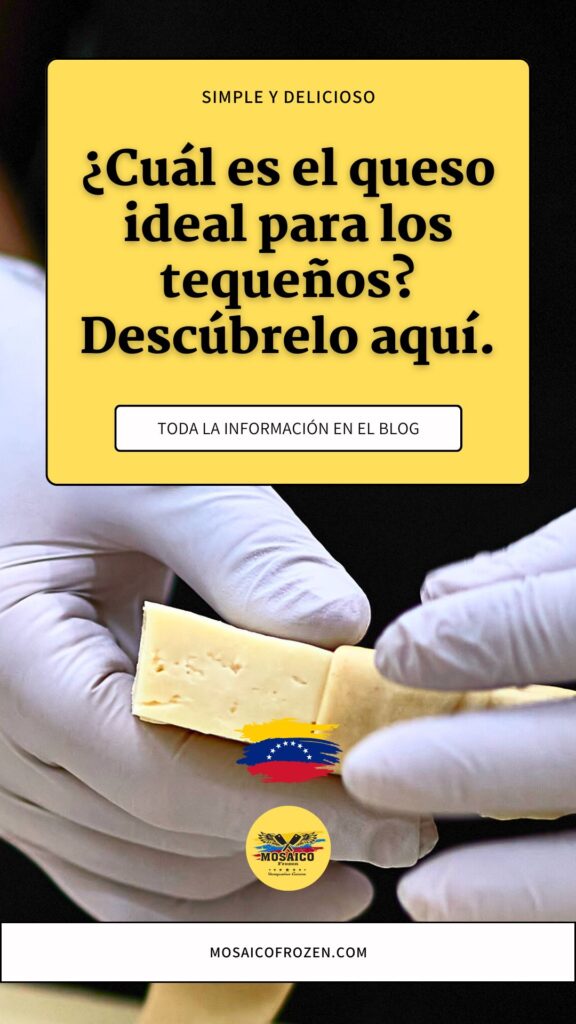
The secret of its irresistible attraction lies in its central ingredient: cheese. This is not just a filling, but the soul of each Tequeño, determining its final texture and depth of flavor. Choosing cheese is not something to be taken lightly. What is the best cheese for tequeños? That is a question that every fan of this snack should ask themselves, because the answer can completely transform the experience of tasting this typical Venezuelan dish. We will explore together the most suitable cheese varieties to ensure that every bite is simply perfect.
Join us on this delicious journey to discover which cheese turns Tequeños into a gastronomic masterpiece.
-
Product on offer
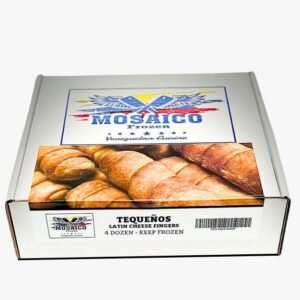
 Frozen Venezuelan tequeños, Latin cheese fingers (box 56 units)The original price was: $115.00.$76.25The current price is: $76.25.
 -
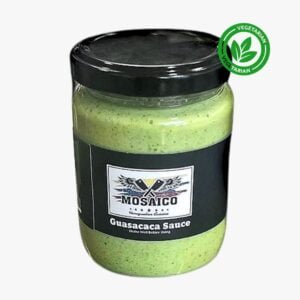
Product on offerVenezuelan Guasacaca Sauce, Green Sauce, 8 OZ – Salsas MosaicoThe original price was: $21.00.$16.96The current price is: $16.96.
-
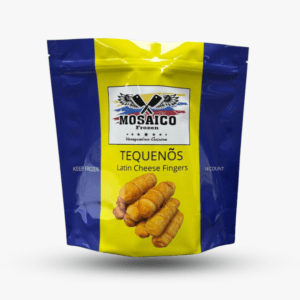
Product on offerFrozen Venezuelan Tequeños, Latin Cheese Fingers (28 units)The original price was: $62.00.$44.50The current price is: $44.50.

Your Orders for Frozen Products and Sauces Mosaico Frozen do Free shipping within United States.
FROZEN MOSAIC – TEQUEÑOS NEAR YOU IN THE UNITED STATES
Types of Cheese Used in Tequeños
Hard White Cheese
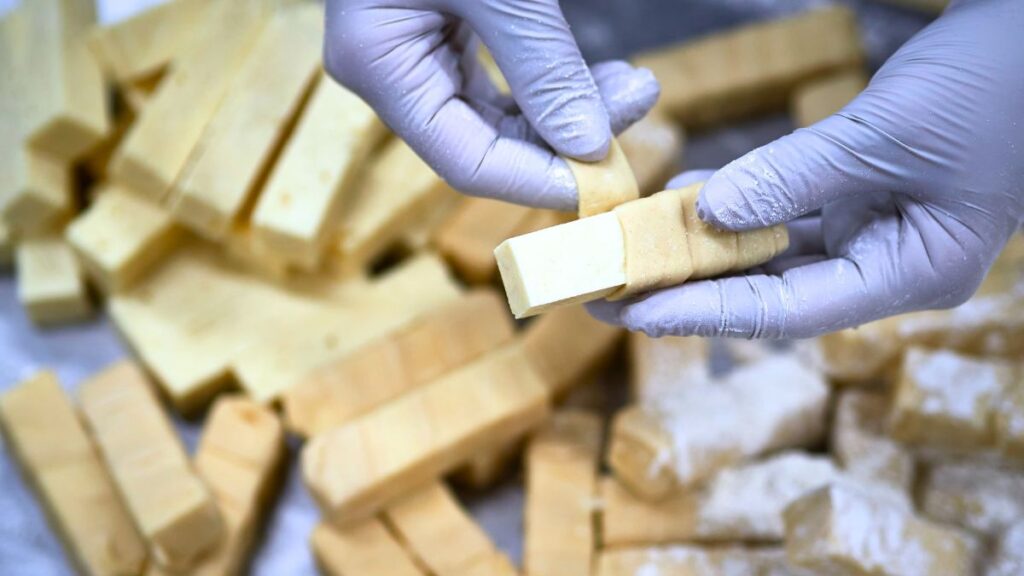
Hard white cheese is a favorite for making tequeños in Venezuela. This cheese is characterized by its firmness and low fat content, which allows it to maintain a solid texture even when heated. Its slightly salty flavor perfectly complements the sweet dough of the tequeños, creating a perfect balance in every bite. Its popularity stems from the fact that it doesn't melt completely, offering a unique taste experience where the cheese stretches without dissolving entirely.
Hand Cheese
Queso de Mano is a fresh, soft cheese originating from Venezuela, known for its spongy texture and creamy flavor. This cheese gives tequeños a moister texture and a more pronounced flavor, making them irresistibly juicy. Its name comes from the traditional way of making the cheese by hand, which gives it a unique texture that melts slightly in the mouth, enriching each bite of the tequeño with a touch of homemade tradition.
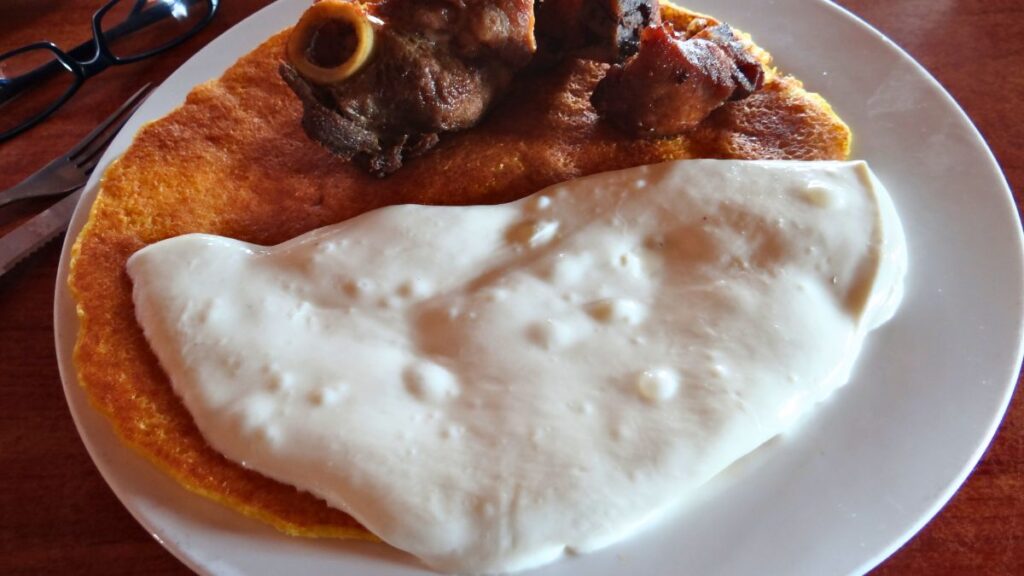
Guiana cheese
Originating from the state of Guárico in Venezuela, Guayanés Cheese is prized for its smooth and creamy texture. This cheese stands out from others for its freshness and slightly acidic flavor, which adds a new dimension of taste to tequeños. Its ability to melt smoothly makes it ideal for those who prefer a more fluid and enveloping cheese center, turning every bite into a truly decadent experience.
Mozzarella cheese
Although not traditionally used in tequeños, mozzarella cheese has become popular in more international versions of this snack. Known for its excellent melting properties and mild flavor, this cheese makes tequeños more globally accessible and pairs well with a variety of sauces and condiments. Mozzarella creates a spectacular stretched cheese effect, highly appreciated in photographs and by cheese lovers worldwide.
Each of these cheeses provides a unique quality to Tequeños, making each recipe a delicious opportunity to explore flavors and textures.
How to Choose the Right Cheese for Tequeños
Choosing the right cheese is essential to creating the perfect tequeño. Here we will explore the key factors to consider, how cheese choice can affect the authenticity of your tequeños, and offer some tips for those who want to experiment with different cheese blends.
Factors to Consider
- Humidity: The moisture content in the cheese determines how it will behave under heat. A cheese with high moisture can cause tequeños to become overly juicy and potentially messy, while a cheese with low moisture will retain its shape and texture better.
- Melting point: It is crucial to choose a cheese that has a suitable melting point. If the cheese melts quickly, it could escape from the dough during cooking, while a cheese with a higher melting point will stay in place and allow the dough to cook properly without burning.
- Sabor: The flavor of the cheese should complement the dough without overwhelming it. A cheese that is too strong can overpower the flavor of tequeños, while one that is too soft could be tasteless. Look for a balance that enhances the whole.
-
Product on offerFrozen Venezuelan tequeños, Latin cheese fingers (box 56 units)The original price was: $115.00.$76.25The current price is: $76.25.
Your Orders for Frozen Products and Sauces Mosaico Frozen do Free shipping within United States.
FROZEN MOSAIC – TEQUEÑOS NEAR YOU IN THE UNITED STATES
Impact on Authenticity
The authenticity of Venezuelan tequeño lies in its traditional flavor and specific texture. Using a traditional cheese like Queso Blanco Duro or Queso de Mano will help maintain this authenticity. However, experimenting with non-traditional cheeses can offer a new and exciting experience, although it might stray away from the classic Venezuelan tequeño.
Tips for Mixing Cheeses and Experimenting with Flavors
- Test with Proportions: Start by mixing small amounts of different cheeses with a traditional base cheese. For example, mix 75% Hard White Cheese with 25% Mozzarella to obtain a tequeño with a more melted and stretchable heart.
- Consider the Texture: Combine cheeses of different textures to add depth to your tequeños. A creamy cheese can be balanced with a firmer cheese.
- Don't Fear Innovation: Although traditional tequeños are exceptional, incorporating cheeses like Gouda or even more exotic options like blue cheese can result in a unique dining experience. These mixes can be especially attractive at events or specialized menus.
- Tests and Adjustments: Perform cooking tests with your cheese mixtures. Not all cheeses react the same to heat, so it is important to adjust the proportions and cooking time as necessary to obtain the desired result.
With these tips, you can customize your tequeños to satisfy any palate, from the traditionalist to the adventurous, ensuring each bite is as delicious as the last.
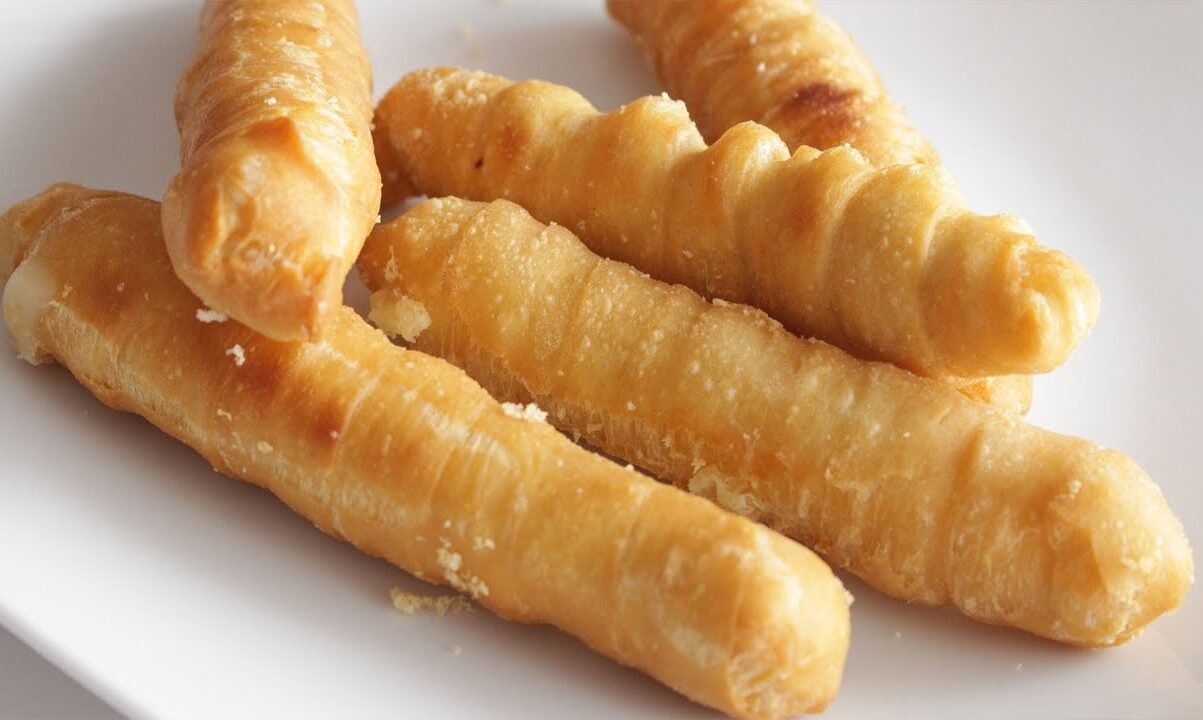
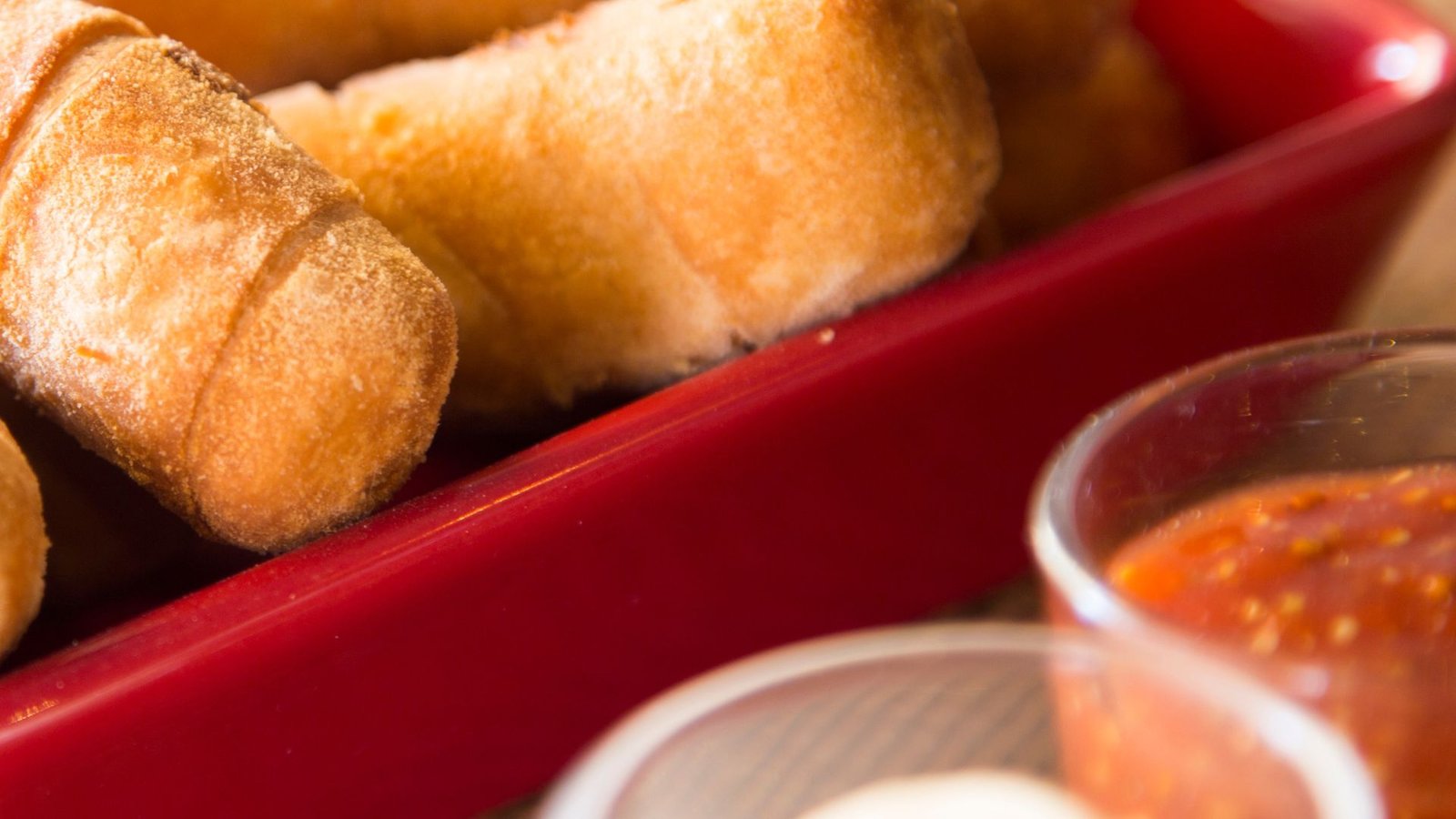
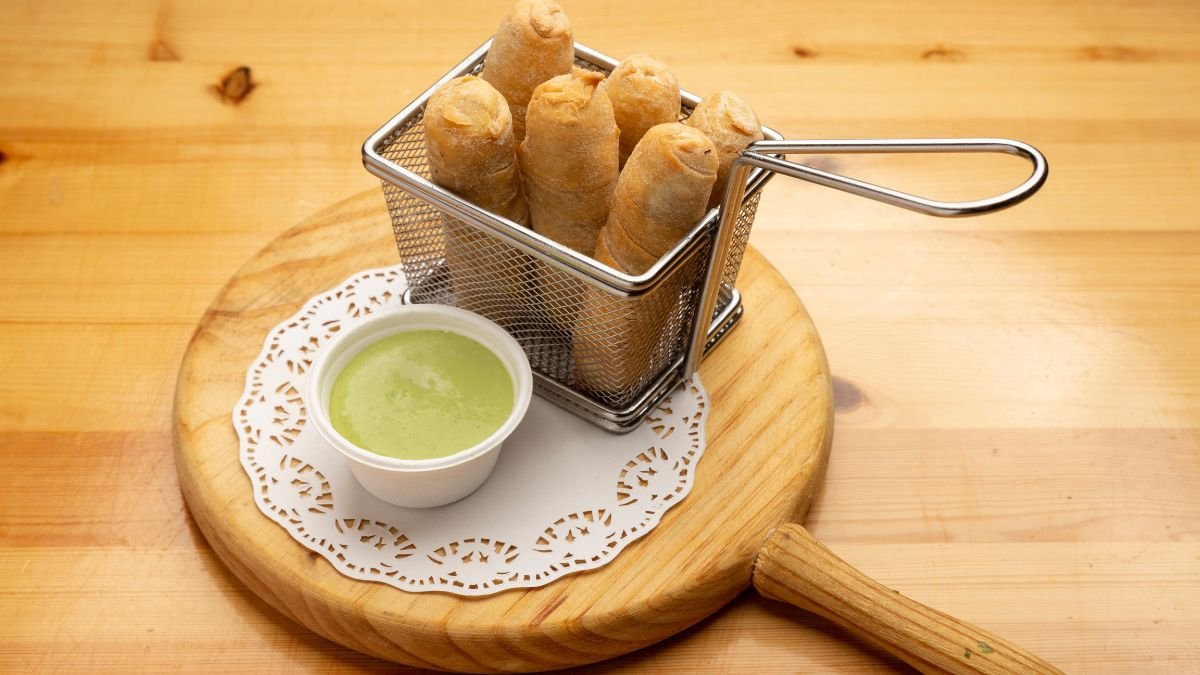
Various recipes from Tequeños
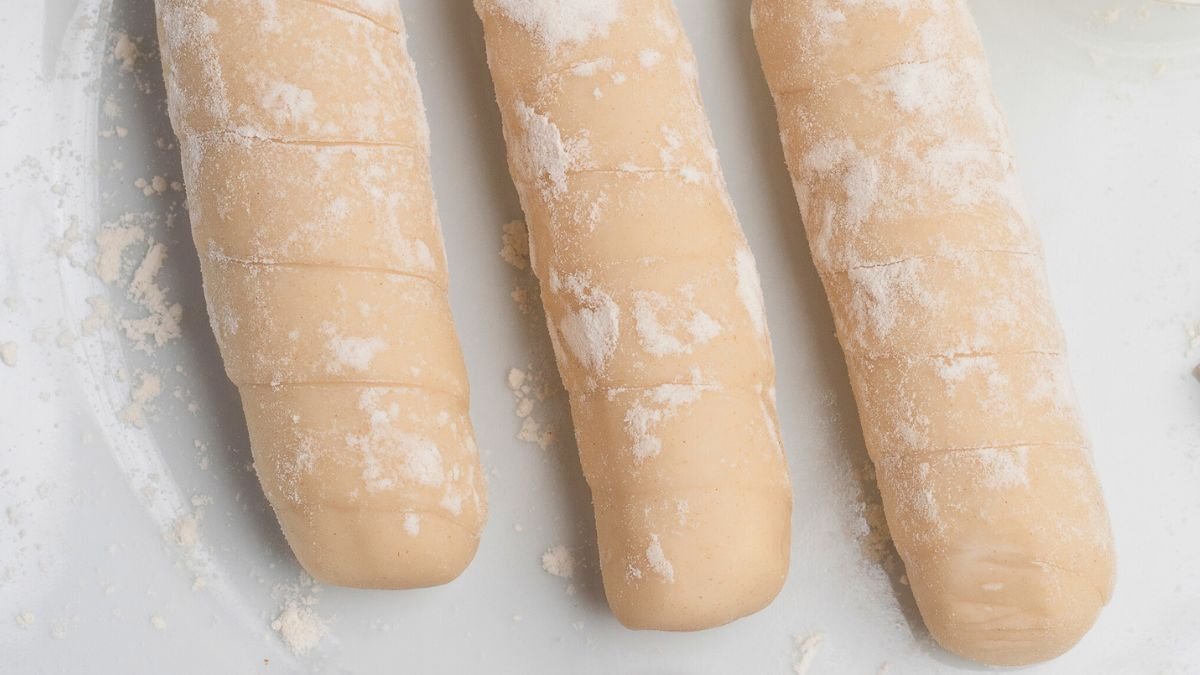
Here we share a selection of recipes for tequeños with different doughs and fillings

Conclusion
The choice of cheese is essential to achieve perfection in each tequeño. Each type of cheese brings its own unique characteristics in terms of texture, flavor, and heat behavior, which can completely transform the experience of tasting this beloved Venezuelan appetizer. From the traditional Hard White Cheese to more modern variants like Mozzarella Cheese, the right selection can take your tequeños from good to exceptional.
We encourage all Tequeño lovers to not only follow the traditions, but also to experiment with different types of cheeses. Mixing and matching cheeses can be a culinary adventure that enriches your kitchen and surprises your guests or customers with innovative flavors and delicious textures.
We invite you to share your experiments and experiences in the comments. Have you discovered a cheese combination that works wonderfully? Or perhaps you found a type of cheese that elevates traditional flavor to new heights? Your feedback and stories can inspire others to explore and expand their culinary repertoire.
Exploring flavors and possibilities is what makes cooking tequeños so special. Each choice of cheese not only affects the final product, but also connects cooks and diners with the rich culinary culture of Venezuela and its innovations around the world. So why not take that delicious risk and see how far your tequeños can take you?
Frequently Asked Questions about What is the Best Cheese for Tequeños
We hope that you find this selection of questions useful and help you select the best cheese for your homemade tequeños.
How to make delicious cheese tequeños?
To make delicious cheese tequeños, start by preparing a dough with flour, butter, and a little water. Next, cut the cheese into sticks and wrap them in the dough, making sure to seal the edges well. Finally, fry them in hot oil until golden brown. Make sure you choose a cheese that melts well and has an intense flavor.
What cheese is the best for Venezuelan tequeños?
The most recommended cheese for Venezuelan tequeños is hard cheese such as Queso Blanco or Queso Palmizulia. These cheeses have the perfect consistency and melting point so that, when fried, they remain firm but offer that characteristic melted texture when you bite into the tequeño.
How to ensure that the tequeños do not open when frying?
To prevent the tequeños from opening when frying, it is crucial to seal the edges of the dough well when wrapping the cheese stick. You can do this by pressing the edges firmly with your fingers or a fork. Also, it is advisable to refrigerate the tequeños before frying them so that the dough hardens a little and maintains its shape during frying.
Is it possible to freeze cheese tequeños?
Yes, you can freeze cheese tequeños before frying them. Just be sure to place them on a tray separately from each other, and once frozen, transfer them to an airtight bag. This way, you can preserve and fry them straight from the freezer whenever you want to enjoy them.
How to make tequeños without them sticking to the pan when frying?
To prevent the tequeños from sticking to the pan when frying, make sure the oil is very hot before adding them. A good technique is to add a small piece of dough to the oil; If it bubbles, the oil is ready for frying. Also, do not overcrowd the pan and fry the tequeños in batches to maintain the temperature of the oil.
What accompaniments can I prepare for Venezuelan cheese tequeños?
Venezuelan cheese tequeños can be accompanied with various sauces. The most popular ones include salsa rosada (mayonnaise and ketchup mix), guacamole, garlic sauce, and tartar sauce. They can also be enjoyed with a touch of lemon or simply with a little powdered sugar on top for a sweet contrast.
What is the difference between making tequeños and cheese sticks?
The main difference between making tequeños and cheese sticks lies in the dough and the type of cheese used. Tequeños are made with a special wheat flour-based dough that is wrapped around a cheese stick, typically hard Venezuelan white cheese, while cheese sticks can be made with different types of dough, including puff pastry, and are often filled with cheese varieties that melt easily.
Can I make tequeños in the oven instead of frying them?
Yes, tequeños can also be baked as a healthier alternative to frying. To do this, preheat the oven to 200°C, place the tequeños on a baking tray covered with baking paper, brush with a little olive oil or melted butter and bake them until golden brown. Keep in mind that the end result will be less crunchy than fried tequeños.
What type of cheese is llanero cheese?
Llanero cheese is an essential ingredient in Venezuelan cuisine , especially when preparing traditional dishes like arepas or Venezuelan tequeños . This cheese, known for its firmness and distinctive flavor, is the perfect filling for Venezuelan cheese tequeños , making them the ideal appetizer for any Venezuelan celebration . Learning how to make tequeños with llanero cheese means mastering the art of kneading and flouring the dough to create those delicious tequeños that are the heart of the party.
Some compare llanero cheese to feta cheese because of its crumbly texture, although its unique flavor clearly distinguishes it. Incorporating llanero cheese into a recipe for cheese tequeños not only guarantees cheese-filled sticks with an authentic flavor, but also invites experimentation with variations such as adding onion and cheese to enrich the filling. Preparing them can be as simple as following a delicious step-by-step recipe, from mixing the dough to cooking them in the microwave or using traditional methods, ensuring a great tequeño to delight everyone.
What is the best cheese in Venezuela?
The best cheese in Venezuela can vary according to personal preferences, but one of the most famous and highly regarded is llanero cheese . This cheese, also known as "queso de año" or "queso semiduro," is typical of the Venezuelan plains. It is known for its strong, slightly salty flavor, and its texture can range from semi-hard to very hard, depending on its aging process.
Other highly prized Venezuelan cheeses include:
- Guiana cheese: Coming from the state of Bolívar, this cheese is soft, creamy and fresh. It is often used in arepas and empanadas.
- Telita cheese: A fresh and soft cheese, similar to white mozzarella cheese. It is excellent for salads and cold dishes.
- Hand Cheese: This cheese is soft, white, and porous, and is often compared to mozzarella cheese. It is commonly consumed in breakfasts with arepas.
Each of these cheeses has unique characteristics and are highly valued both in local cuisine and in the tastes of Venezuelans.
What is Meridian cheese like?
Merideño cheese, also known as Andean cheese due to its origin in the Venezuelan Andes region, is very popular and appreciated in Venezuela. This cheese is characterized by the following qualities:
- Texture: Merideño cheese has a firm but elastic texture, which makes it ideal for grating. Although it does not melt easily, it can soften without falling apart when heated.
- Sabor: Its flavor is slightly acidic and salty, although softer than other cheeses such as llanero. This makes it very versatile in the kitchen, suitable for use in both savory dishes and some desserts.
- shape and appearance: Generally, it comes in round and flat shapes. The bark is smooth and pale yellow.
Merideño cheese is widely used in Venezuelan cuisine, especially in traditional dishes from the Andean region such as arepas, empanadas and in various preparations that require a cheese that maintains its structure when heated. Its popularity extends throughout the country, being an essential element on Venezuelan tables.
-
Product on offerFrozen Venezuelan tequeños, Latin cheese fingers (box 56 units)The original price was: $115.00.$76.25The current price is: $76.25.
-
Product on offerVenezuelan Guasacaca Sauce, Green Sauce, 8 OZ – Salsas MosaicoThe original price was: $21.00.$16.96The current price is: $16.96.
-
Product on offerFrozen Venezuelan Tequeños, Latin Cheese Fingers (28 units)The original price was: $62.00.$44.50The current price is: $44.50.
Your Orders for Frozen Products and Sauces Mosaico Frozen do Free shipping within United States.
FROZEN MOSAIC – TEQUEÑOS NEAR YOU IN THE UNITED STATES
What is the llanero type cheese?
Llanero type cheese is a traditional cheese from Venezuela, originating from the Llanos, a vast region that covers much of the center and south of the country. This cheese has distinctive characteristics that make it very popular both in its country of origin and abroad among Venezuelan communities. Here are some of its most notable features:
- Texture: Llanero cheese can vary from semi-soft to hard, depending on its maturation process. When it is young, its texture is softer and more elastic, but as it matures, it becomes firmer and can be grated.
- Sabor: It has a distinctive flavor that is slightly sour and salty. The degree of flavor intensity can increase with the ripening of the cheese.
- Appearance: Generally, llanero cheese comes in large wheels with a slightly hard rind. The color of the cheese is a yellowish white.
- Culinary uses: This cheese is extremely versatile in the kitchen. Commonly consumed in arepas and empanadas, it can be used in stews and soups to add depth of flavor, or served alone as part of a cheese plate.
Llanero cheese is also a cultural element, linked to the life of the Venezuelan llaneros, who are the cowboys of the vast, open plains of the region. Its production has remained traditional, which gives it a special place in the heart of Venezuelan gastronomy.
How healthy is llanero cheese?
Llanero cheese, like most cheeses, can have both health benefits and drawbacks, depending on how it's consumed within a balanced diet. Here are some aspects to consider:
Benefits
- Proteins: Llanero cheese is a good source of protein, essential for the growth and repair of body tissues.
- Football: It is also an important source of calcium, which is vital for bone and dental health.
- Vitamins and minerals: Contains vitamins A, B12, riboflavin and zinc, which are important for vision, the immune system and skin health.
Disadvantages
- Saturated fats: Llanero cheese, being a dairy product, contains saturated fats, which in excess can contribute to cardiovascular diseases.
- Calories: May be high in calories, which could contribute to weight gain if consumed in large quantities.
- Sodium: Often contains relatively high levels of sodium, which can be a concern for people with conditions such as hypertension.
Considerations
- Moderation: Including llanero cheese in a balanced diet can be healthy if consumed in moderation.
- Dietary balance: It is important to balance cheese consumption with other food groups and consider personal dietary needs and restrictions.
In short, llanero cheese can be part of a healthy diet if consumed in moderation and balanced with other nutritious foods. As with any food high in fat and sodium, people with specific health conditions should consult a health care professional for recommendations tailored to their needs.
What is fresh cheese called in Venezuela?
In Venezuela, fresh cheese is commonly known as queso blanco fresco . This type of cheese is soft, moist, and has not been aged or cured, giving it a soft texture and a mild, slightly salty flavor. It is very popular in Venezuelan cuisine and is used in a wide variety of traditional dishes.
Besides fresh white cheese, there are other varieties of fresh cheese in Venezuela that are also very popular, such as queso de mano and queso guayanés , each with specific characteristics that make them unique:
- Hand Cheese: It is a fresh cheese highly appreciated for its soft and elastic texture and its mild flavor. It has a round and flat shape and is typical of Venezuelan breakfasts, accompanying arepas and cachapas.
- Guiana cheese: Originally from the state of Bolívar, this cheese is very creamy and fresh, similar in texture to ricotta or cottage cheese, but more cohesive and slightly salty.
These cheeses are essential in Venezuelan cuisine and are enjoyed in a variety of ways, from being consumed alone to being part of more elaborate recipes.
What type of cheese is paisa?
In Venezuela, the term "queso paisa" can refer to a hard white cheese or simply to a type of hard, salty cheese commonly used in the country's everyday cooking. This cheese is known for its intense flavor and its ability to be grated, making it ideal for use in hot dishes where the cheese is desired to melt and blend with other ingredients.
Characteristics of Venezuelan paisa cheese:
- Texture: Firm and a little dry, making it easy to grate. It does not melt completely like other softer cheeses, but it softens well under heat.
- Sabor: Very salty and with a characteristic flavor that can be quite strong, especially if the cheese has been aged for longer.
- Culinary uses: It is commonly used in arepas, pastas, soups and as a complement to dishes that require a touch of intense salty flavor. It can also be consumed alone or with bread.
This cheese is an essential part of Venezuelan gastronomy, similar in use to other hard cheeses such as parmesan or pecorino in Italian and Spanish cuisines respectively, but with a flavor profile that reflects local preferences.
What cheese do Venezuelans eat?
Venezuelans enjoy a variety of cheeses in their daily diet, each with distinctive characteristics that complement different dishes of local cuisine. Some of the most popular cheeses in Venezuela include:
- Fresh White Cheese: It is the most common and versatile cheese. Soft and moist, it is used in both savory and sweet dishes.
- Llanero Cheese or Year Cheese: It is a harder and saltier cheese, ideal for grating over arepas, soups and other hot dishes.
- Hand Cheese: This cheese is soft, white and very fresh, with a somewhat elastic texture. It is very popular to eat with arepas and cachapas.
- Guiana cheeseOriginating from the state of Bolívar, this cheese is creamy and soft, ideal for use in fillings for empanadas and pastries.
- Telita cheese: Similar to hand cheese, but even softer and moister, it is often used in salads and cold dishes.
- Queso Palmita: A fresh, soft cheese with a very mild flavor, popular in the Andes region.
These cheeses are perfectly integrated into numerous traditional Venezuelan recipes and are an essential part of breakfast, lunch, dinner and snacks. Each one offers a unique flavor that enhances the country's typical dishes.
How many types of cheese are there in Venezuela?
In Venezuela, the variety of cheeses is wide and reflects both regional traditions and local adaptations of more universal cheeses. Although it is difficult to specify an exact number due to local and artisanal variations, some of the main types of Venezuelan cheeses can be highlighted, each with its specific characteristics and culinary uses:
- Fresh White Cheese: A soft, moist cheese, used in a wide variety of dishes.
- Llanero or Year Cheese: A harder, saltier cheese, excellent for grating.
- Hand Cheese: Soft, elastic and fresh, perfect to accompany arepas and cachapas.
- Guiana cheese: Creamy and fresh, ideal for fillings.
- Telita cheese: Very soft and moist, used in salads and cold dishes.
- Queso Palmita: A soft and smooth cheese, typical of the Andean region.
- Merideño Cheese: Also known as Andean cheese, it is firm and slightly acidic.
- Cheese Whey: Although it is not a solid cheese, it is a dairy product derived from the cheese-making process, widely used in cooking.
- Paisa Cheese: A hard, salty cheese, used primarily grated in hot dishes.
These are just some of the most well-known and widely used types in Venezuelan cuisine, but there are many other local variants that can be found in different regions of the country, enriching the Venezuelan culinary heritage. Each region can have its specialties and versions of these cheeses, making Venezuela a country with a rich diversity of dairy products.
What is the healthiest yellow cheese?
In Venezuela, the term "yellow cheese" generally refers to darker colored cheeses compared to the traditional fresh white, and is often associated with cheeses that have been processed or ripened. If you're looking for healthier options within the yellow cheese category, there are several factors to consider, such as fat, sodium, and additive content.
-
Product on offerFrozen Venezuelan Tequeños, Latin Cheese Fingers (28 units)The original price was: $62.00.$44.50The current price is: $44.50.
Your Orders for Frozen Products and Sauces Mosaico Frozen do Free shipping within United States.
FROZEN MOSAIC – TEQUEÑOS NEAR YOU IN THE UNITED STATES
Healthier yellow cheese options:
- Low-fat or reduced-fat cheeses: These cheeses offer a similar flavor to their fattier counterparts, but with fewer calories and saturated fat.
- Natural and artisanal cheeses: Small-scale produced cheeses often have fewer additives and preservatives, making them a healthier option compared to processed cheeses.
- Cheeses with less sodium: Some cheeses are made with less salt, reducing their sodium content, which is better for maintaining cardiovascular health.
- Cheeses with probiotics: Some yellow cheeses, especially those that are naturally fermented, may contain probiotics that are beneficial for digestive health.
In Venezuela, a cheese that could meet these healthier criteria while still being considered a "yellow cheese" could be an artisanal or local version of Gouda or similar cheeses that are less processed and have fewer additives. These cheeses are often easier to digest due to their aging process and contain essential nutrients such as calcium and protein.
It is always advisable to read product labels to check their nutritional content and choose the cheese that best suits your health needs and dietary preferences. Additionally, consuming any type of cheese in moderation is part of a balanced diet.